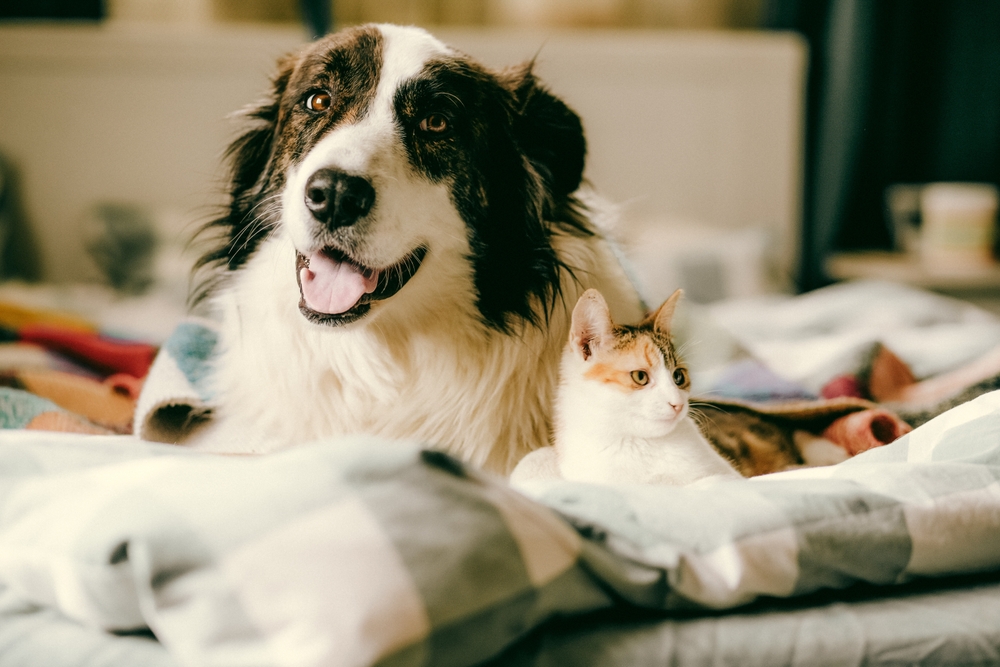
Cat and dog theft is a pet owner’s worst nightmare; our pets are precious, they’re part of the family and we’ll do anything to keep them happy, safe and healthy. In 2023, 2,290 cases of dog theft were recorded, with only 16% of these pets recovered and returned to their owners, and between 2015 and 2020 reported cat thefts increased from 150 to 441 (it’s worth remembering that cat thefts are often unreported as owners just assume their cat wandered off).
But there are things you can do to reduce the risk of pet theft, so let’s take a look.
WHY ARE PETS STOLEN?
There are lots of reasons pets are stolen; it’s often for financial gain, or breeding purposes, or just an opportunistic theft – pets are often stolen from the home or garden, or from the street or a park, they might even be stolen for a ransom, or to claim reward money. When it comes to cats it’s less clear; sometimes people ‘take possession’ of a cat – they’re notorious for finding their way into other people’s homes and are then mistaken for strays.

ARE CERTAIN BREEDS MORE AT RISK OF BEING STOLEN?
Popular dog breeds might be targeted because of the demand, and their re-sale value. These breeds include:
- French Bulldog
- English Bulldog
- Yorkshire Terrier
- Chihuahua
- German Shepherd
- Maltese
- Shih Tzu
- Labrador Retriever
- Poodle/Labradoodle
- Siberian Husky
Designer breeds of cats are at risk too:
- Bengals
- Sphynx
- Persian
- Maine Coons
Other pets, such as parrots, rabbits, snakes, lizards and ferrets are also often targeted.

WHAT TO DO IF YOU THINK YOUR PET HAS BEEN STOLEN
You should report a suspected theft to the police as soon as possible, giving them information such as a description (with recent photos), where and when you think they were stolen, and details of any vehicles/people around at the time. They should give you a crime reference number. Remember to include their microchip number when you report it and inform the microchip company so they can mark your pet as being stolen on their database. If you don’t know which company your pet is registered with you can put their number into check-a-chip, and if you haven’t got their microchip number, your vet will have it on their records.
Let your local vet practice/animal rescue centre know. You could also put posters up in your area, and post on a local Facebook page and if it’s a dog that’s been stolen, inform your local authority dog warden services, as well as those in surrounding areas.
You can also register your pet on a database for missing pets to encourage people to keep an eye out:
- Dog Lost (you can register cats and birds on here too)
- National Pet Register
- Animal Search
- Pets Reunited
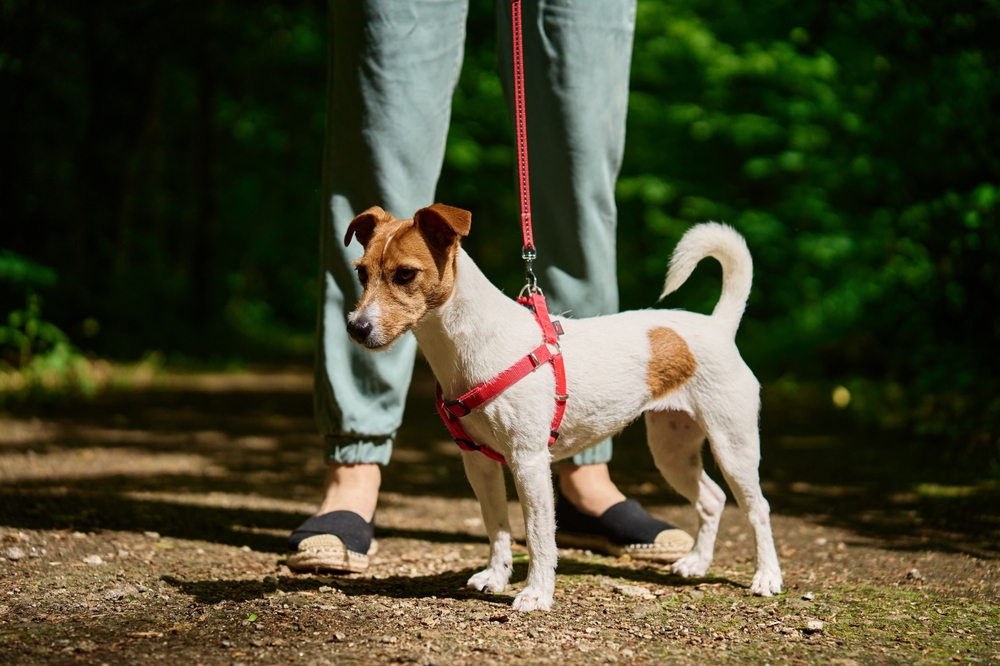
HOW TO PREVENT YOUR DOG BEING STOLEN
- Make sure your dog is microchipped and your details are up to date; according to new regulations that came in in June 2024, all dogs need to be microchipped and registered by the time they’re eight weeks old. You are legally required to make sure your dog has a collar and ID tag with your name and address on it, and preferably a mobile number, but don’t put your dog’s name on their collar – this could make them easier to steal if thieves know their name. If your dog’s neutered, you could include this too to deter anyone wanting to steal your dog for breeding purposes.
- When you’re out and about be aware of anyone taking a lot of interest in your dog and vary your walks/routes in case anyone is watching where and when you take your dog on a walk. You could walk with someone else. Don’t leave your dog tied up anywhere outside and don’t leave them alone in a car – apart from the risk of overheating, a thief could easily break in and take them. You could also look at a pet GPS tracker for your dog.
- When you’re at home, don’t leave your dog unsupervised in your garden – particularly in a front garden and make sure your garden’s secure; security cameras/lighting might help deter thieves.
Other things to consider
- Only leave your dog with a reputable boarding kennel and check any references for dog walkers/pet sitters.
- When posting on social media be aware of any identifying features you include in photos that could show your location etc. Consider delaying posting until another time too, to avoid giving away that you’re away from your property.
- As we’ve already mentioned, neutering can help deter thieves.
- If you breed and sell puppies make sure you have someone else present when people come to view them and limit the number of visitors at a time to a minimum.

HOW TO PREVENT YOUR CAT BEING STOLEN
- Put a collar on your cat with your contact details on – make sure it fits well and is a quick release collar.
- Make sure they’re microchipped and your details are up to date. Since June 2024 owners are legally required to have their cat microchipped before they’re 20 weeks old.
- Get your cat spayed/neutered and include this info on their ID tag.
- Try to keep them indoors overnight.
- If you move house, keep them inside for a while before letting them out.
WHAT’S THE LAW ON PET THEFT?
The Pet Abduction Act 2024 makes pet theft a criminal offence and ‘anyone found guilty of stealing a pet in England or Northern Ireland will face up to five years in prison, a fine, or both.’ The law acknowledges cats and dogs as being able to experience emotions such as distress.

BUYING DOGS AND CATS RESPONSIBLY
- Do your research and make sure you get your pet from a reputable breeder or rescue centre. Be wary of breeders who advertise lots of litters from different breeds.
- Check the age of the puppy or kitten, they should never be sold under eight weeks old.
- The seller should have all the animal’s health records detailing their vaccinations, flea/worm treatments, neutering (when relevant) and microchipping.
- Make sure the mum is present when you visit and is interacting with the puppies/kittens.
- Don’t feel under pressure to hand over any cash before you’re ready.
Lucy’s Law was introduced in 2020, in the interests of animal welfare, as way of discouraging ‘puppy farms’. Buyers must only buy direct from a licensed breeder who is required by law to show puppies interacting with their mums, in the place they were born, or adopt from a rescue centre.
Pet theft is a huge concern for owners, but these tips might help reduce the risk and help keep our little furry friends safe. We all know the importance of pet insurance, but often it slips down the list of priorities and it’s easy to think that the worst may never happen to you. But preparing for the unexpected is all part of owning a pet, so it’s worth taking a look.
Some of our pet insurance policies cover loss by theft or straying as a standard benefit, so if your pet isn’t found within 28 days of being stolen, you may be eligible for a financial contribution based on your policy terms*. You may also be covered for the cost of advertising for the return of your pet, or a reward that leads to your pet’s safe return. Take a look at our website or give us a call to find out more and get a free, no-strings quote today.
*Terms and conditions apply, see policy wording for full details.
This blog is in no way sponsored, endorsed, administered by or affiliated with any brands or external websites mentioned in this content.
All content provided on this blog is for informational purposes only. We make no representations as to the accuracy or completeness of any information on this site or found by following any link on this site. We will not be liable for any errors or omissions in this information nor for the availability of this information. We will not be liable for any loss, injury, or damage arising from the display or use of this information. This policy is subject to change at any time.
We offer a variety of cover levels, so please check the policy cover suits your needs before purchasing. For your protection, please ensure you read the Insurance Product Information Document (IPID) and policy wording, for information on policy exclusions and limitations.