Having your fishing tackle stolen has to be one of the worst experiences you can have as an angler. As any keen fisher knows, the gear doesn’t come cheap and a single rod and reel could be well into the hundreds of pounds. Money aside, there’s also the emotional attachment we have with some of our equipment, and the consequences could be huge. So, it makes sense to keep your tackle as safe as possible and to consider insurance.
We caught up with our friends at The Angling Trust about tackle theft. We discussed some of the best tips to help keep your tackle safe. These are aimed at individual anglers, but many of the lessons also apply to clubs too.
1. Get your storage up to scratch
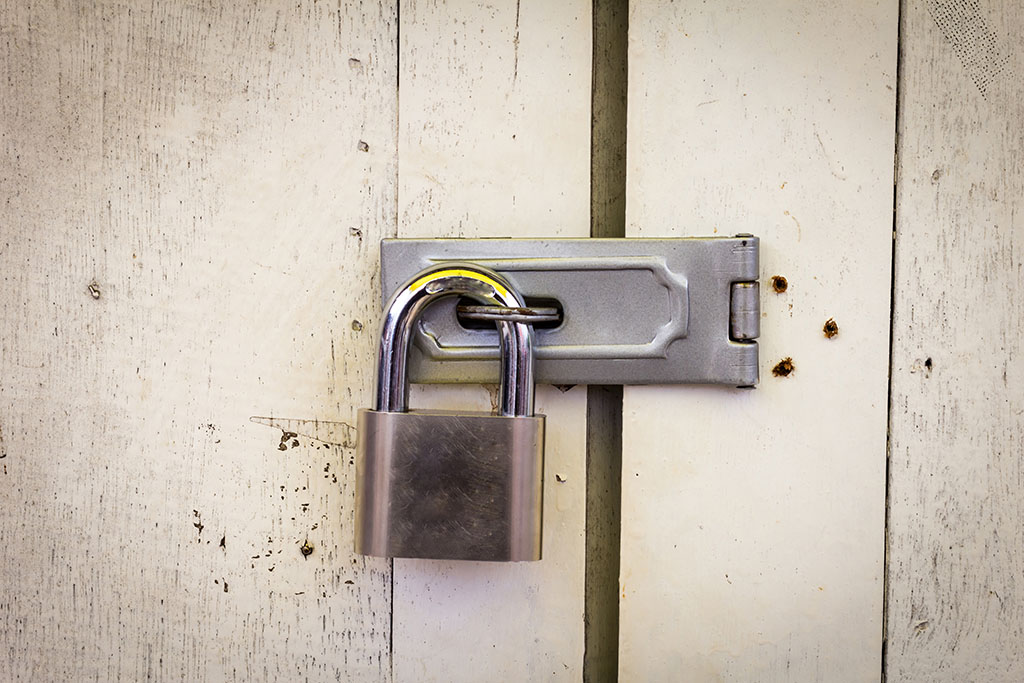
It might sound obvious, but where you store your tackle is your first priority. It could be a garage, an outbuilding or a lockable shed; whichever it is, make sure your locks are maintained, up to scratch and compatible with your insurance cover as many insurance companies specify the type of lock you should use – you can see our security requirements here. Areas such as windows and any potential weak spots should also be given consideration.
Thieves might be ruthless, but they are also cautious and tend to avoid risky targets. Your gear is sure to be safer if there is a deterrent or three; anti-theft kit needn’t cost the earth these days and motion sensor lights and CCTV cameras are both sensible if you have costly gear.
TOP TIP: If you have especially valuable tackle, such as a very expensive rod or reel, consider keeping this separate from your main tackle storage. A concealed place in your home is likely to be much safer than a corner of the garden shed – and if your tackle is stored in more than one place, you avoid the risk of losing the lot in one hit.
2. Vehicle safety
Of course, one of the most vulnerable places for angling kit is your transport. With the best will in the world, there are times when we are on the road and have to leave some gear in the boot or the back of the van.
For obvious reasons, you should try and avoid storing kit in your vehicle where possible. If there’s no other option covering your gear will help. Keeping an old blanket in the back of the car is a great way to conceal any valuables for short periods (above). Some even swear by having some litter on show, to give the message that it’s “not worth the bother.”
TOP TIP: Many cars these days have privacy glass in the back windows, worth considering including on your list of criteria next time you’re buying a new car.
3. Avoiding bankside thieves
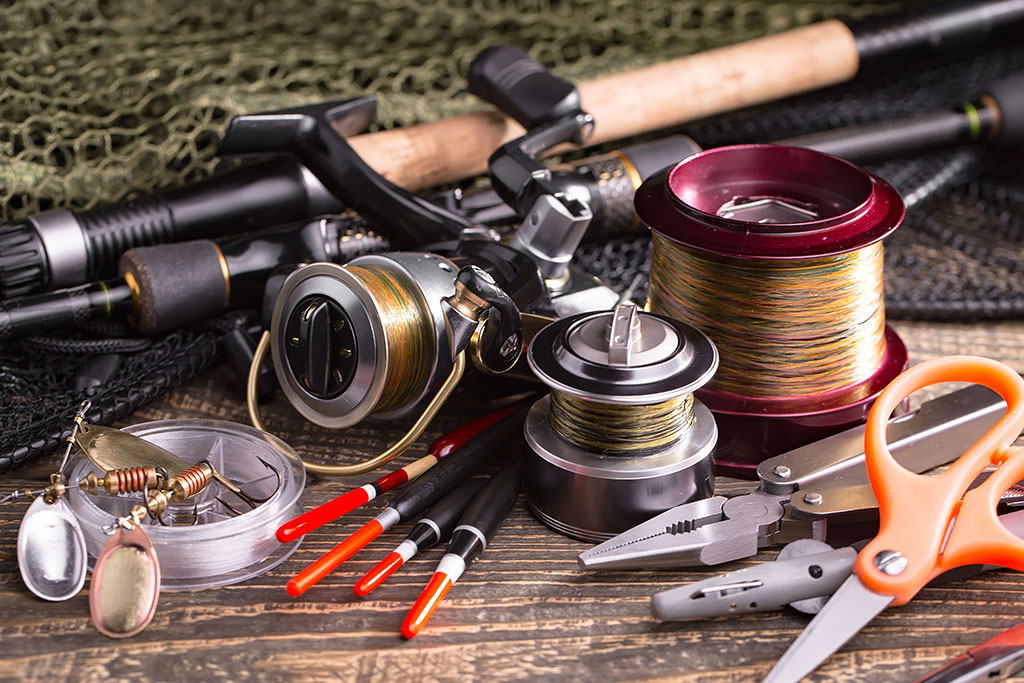
Of course, tackle theft can also be a risk on the riverbank. Sadly, an increasing number of overnight carp anglers have had rods, alarms and other gear stolen. In fact, many companies are already developing anti-theft fishing products such as bite alarms fitted with motion sensors. Enterprising tackle companies are now making alarms with motion sensor lights (for example, the TH9 Anti-Theft Alarm from New Direction Tackle).
Once again, common sense is key. Don’t leave your tackle unattended and try to keep any valuables under wraps where you can – and if you are fishing anywhere that has a reputation for thefts, taking cheaper and smaller amounts of tackle is sensible. Fishing with a friend is good policy, too, especially on overnight missions, that way, one of you can always keep an eye out should the other need to disappear for food or supplies.
4. Get covered… Get tackle insurance!
Fishing tackle insurance might feel like an unnecessary expense, but most of us have accumulated quite a bit of kit over the years – when was the last time you sat down and worked out what all that equipment is worth?
Angling is a safe sport, but there’s always a chance the unexpected could happen and however careful you are there’s always a chance that something could get damaged. You spend a lot of time carrying equipment back and forth to the car, often near wet or unstable surfaces on a riverbank; all it takes is one slip and you’re looking at a snapped pole.
Your gear might be insured under your home contents insurance if it’s stolen from your home, but you need to check your policy wording about outbuildings cover, and what happens if your equipment is stolen from the back of your car?
The Insurance Emporium offers specialist fishing insurance with standard benefits such as New for Old cover for Loss, Theft and Accidental Damage, Unattended Vehicle and Public liability, which you can then tweak with a choice of Optional Benefits. Take a look at the website for a free, no-strings quote and you can claim up to 30% discount* too.
TOP TIP: Take a good look at the tackle you need covered, it’s easy to underestimate the value of everything you’ve got!
5. Make an inventory
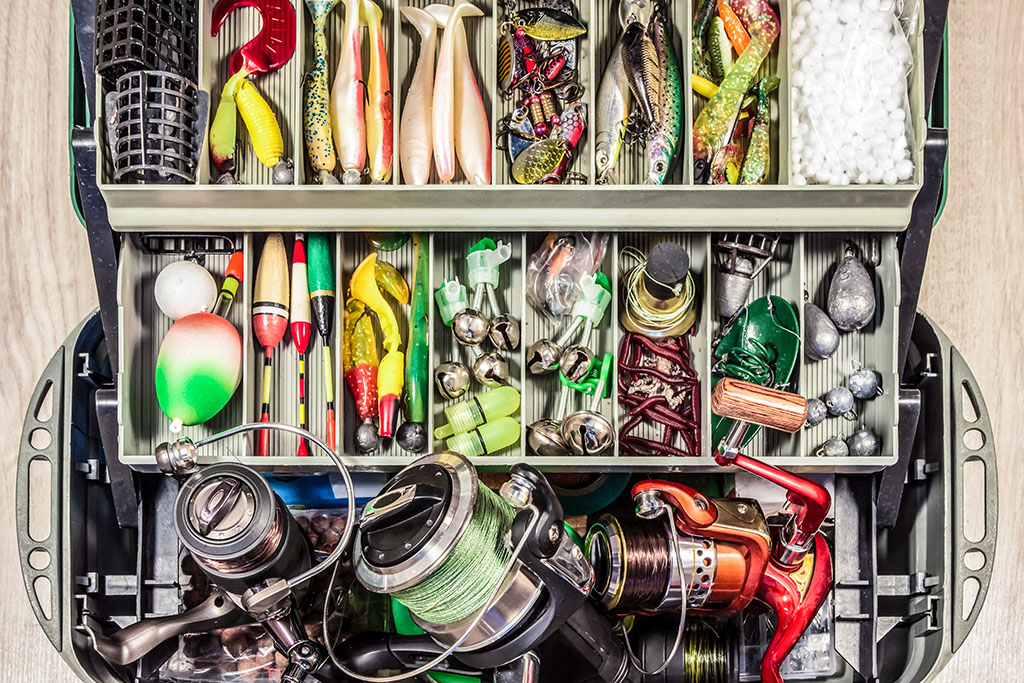
It might be a bit of a chore, but an inventory of your gear is invaluable if you do end up having a break in as it could be used as evidence and will be among the first things insurers and the police are likely to ask for. Have a folder (virtual or real) of all your tackle receipts, so that there can be no argument about what you own. Take pictures too, this all helps in the event of a claim.
To many police officers who don’t fish, a rod is just a rod, so including brand names and photos could be very useful indeed for ID purposes. The perfect time to create your inventory is when you give your garage or shed a tidy up (you do occasionally clean your garage, right?).
6. Mark it as your own
There are a number of ways of invisibly marking your tackle so that it’s more likely to be recovered if it’s stolen, and if you advertise the fact that your tackle is marked it could even act as a deterrent. You can buy pens that can only be read under a UV light and other similar security markers, or you could go the whole hog and mark all your key tackle items with SmartWater which contains a unique forensic code that is traceable to the owner and can be bought in a kit with deterrent sticks and labels.
7. Reporting and retrieving stolen goods
You might be worried about bothering the police about tackle theft, but we always recommend reporting a crime. Even if you don’t think your tackle will be retrieved, it still worth reporting the theft as you might need a crime reference for your insurance cover.
The outcome of their investigation will depend largely on the information you give the police; having CCTV on the property or nearby, along with accurate records of your possessions and a security marking system could make a difference! This is where records and photos also come in – especially if some items of kit are personalised or unusual. Thieves are not always ultra careful, after all, and it might be possible to trace gear to pawn shops, boot sales, online auctions and other sources, too.
Above all, give the police and insurers as much detail and accuracy as you can, as promptly as possible; there’s always a chance that the gear will be retrieved. Last but not least, you can play your part in helping other anglers by always staying vigilant with any dodgy tackle you come across. If you find personalised gear, or indeed items you see that are security marked, at a pawn shop, boot sale or via a private seller, you could always double check, take details or report this to the police to investigate. Sometimes it takes months or years for stolen kit to emerge- and even if it is tough to prove theft, handling stolen goods is an offence in itself.
We hope that this blog post has been of help to you and hope that you are never the victim of tackle theft. In the meantime, tighten up your security and consider insuring your valuable tackle.
*The maximum available discount is 30% – this is a combination of 25% Introductory Discount and 5% Over 60’s Discount. The Introductory Discount is available from the start of the policy until its first review/renewal date.
All content provided on this blog is for informational purposes only. We make no representations as to the accuracy or completeness of any information on this site or found by following any link on this site. We will not be liable for any errors or omissions in this information nor for the availability of this information. We will not be liable for any loss, injury, or damage arising from the display or use of this information. This policy is subject to change at any time.
We offer a variety of cover levels, so please check the policy cover suits your needs before purchasing. For your protection, please ensure you read the Insurance Product Information Document (IPID) and policy wording, for information on policy exclusions and limitations.
This blog is in no way sponsored, endorsed, administered by or affiliated with any brands or external websites mentioned in this content.