British weather is famously unpredictable, and anyone who holidays in the UK knows that anything goes when it comes to being prepared, particularly at a time when we can’t seem to go a few months without another named storm heading our way.
But there’s something cosy about being tucked up in a caravan while it’s stormy outside; the roar of the wind and the patter of rain on the roof can be quite soothing when you’re nice and dry and warm – until you hear the rumble of thunder in the distance and see those flashes in the sky and you start to wonder just how safe are you?
In most cases the answer is you’re perfectly safe in a caravan during a lightning storm. But like all things in life (and especially in British weather), there are a few things you need to be aware of and it’s always good to be prepared before your break.
Let’s take a look.
WHAT IS LIGHTNING?
Lightning is an electrical discharge caused by imbalances between clouds and the ground; a single strike can reach temperatures hotter than the surface of the sun and carry immense energy. While lightning strikes somewhere on the earth 44 times every second – that’s 1.4 billion strikes a year – in the UK they’re relatively rare, but thunderstorms still pose risks – particularly in exposed areas like caravan parks.
You might notice signs a storm is approaching, such as:
- Darkening skies and strong winds.
- A sudden drop in temperature.
- The smell of ozone (a sharp, metallic scent) just before lightning strikes.
A useful safety tip is the 30-minute rule: if you hear thunder, you’re close enough to be struck by lightning. Wait at least 30 minutes after the last rumble before heading back outside.
HOW DOES THE FARADAY CAGE EFFECT PROTECT YOUR CARAVAN?
You may have heard that cars are safe in lightning storms because of something called the Faraday cage effect. This is where a metal structure channels electricity around the outside, protecting those inside.
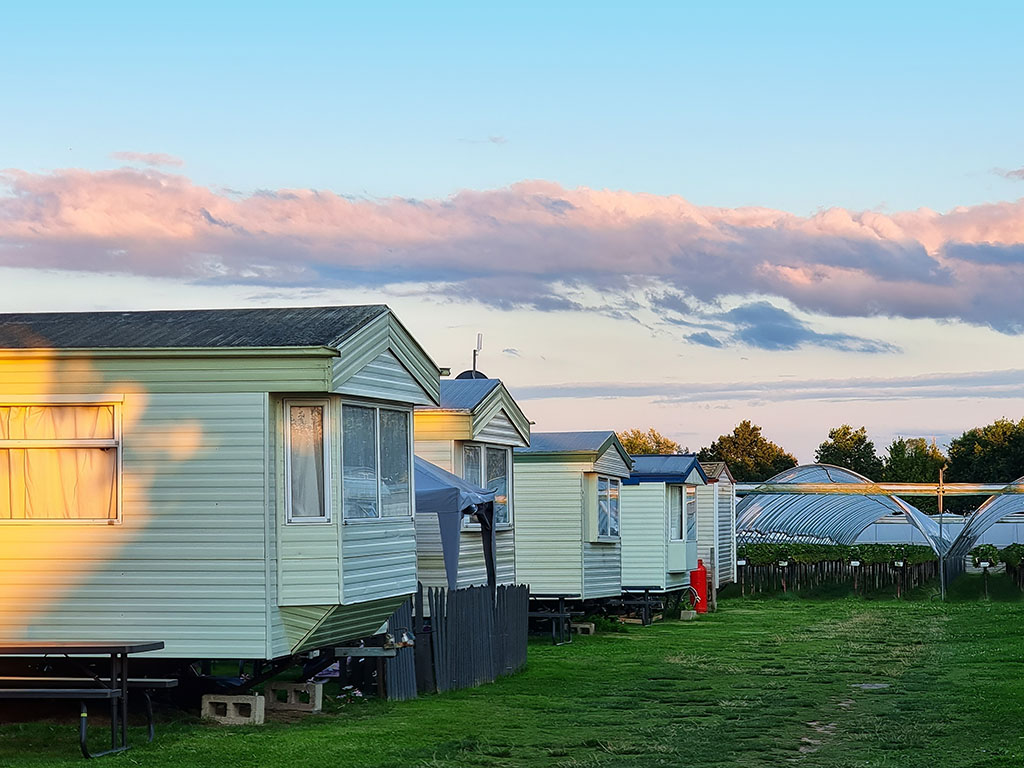
Touring caravans and motorhomes with metal frames can offer some level of this protection – but it’s not as reliable as a fully enclosed car as many caravans include non-metal materials like fibreglass panels, windows, and roof sections, which can reduce the protection. Static caravans are a bit different because while they often have a steel chassis, they’re not fully enclosed metal structures, so they don’t function as true Faraday cages. This doesn’t mean you’re unsafe – it just means you shouldn’t rely on the structure alone for protection.
STAYING SAFE INSIDE YOUR CARAVAN DURING A STORM
When a lightning storm hits, your safest option is usually to stay inside your caravan, but it’s worth taking these precautions:
- Avoid contact with metal surfaces such as door frames, taps, and appliances.
- Keep away from windows and doors to reduce risk from flying debris.
- Unplug electrical devices to prevent damage from power surges, especially if you’re connected to mains hook-up.
- Avoid using water systems, including showers or sinks.
- Take down awnings and secure any loose outdoor items.
- Disconnect aerials/satellite dishes.
- Keep pets indoors.
If conditions become extreme – for example, very high winds or flooding – it may be safer to move to a more solid building on-site if one is available.
ARE STATIC CARAVANS SAFE IN HIGH WINDS?
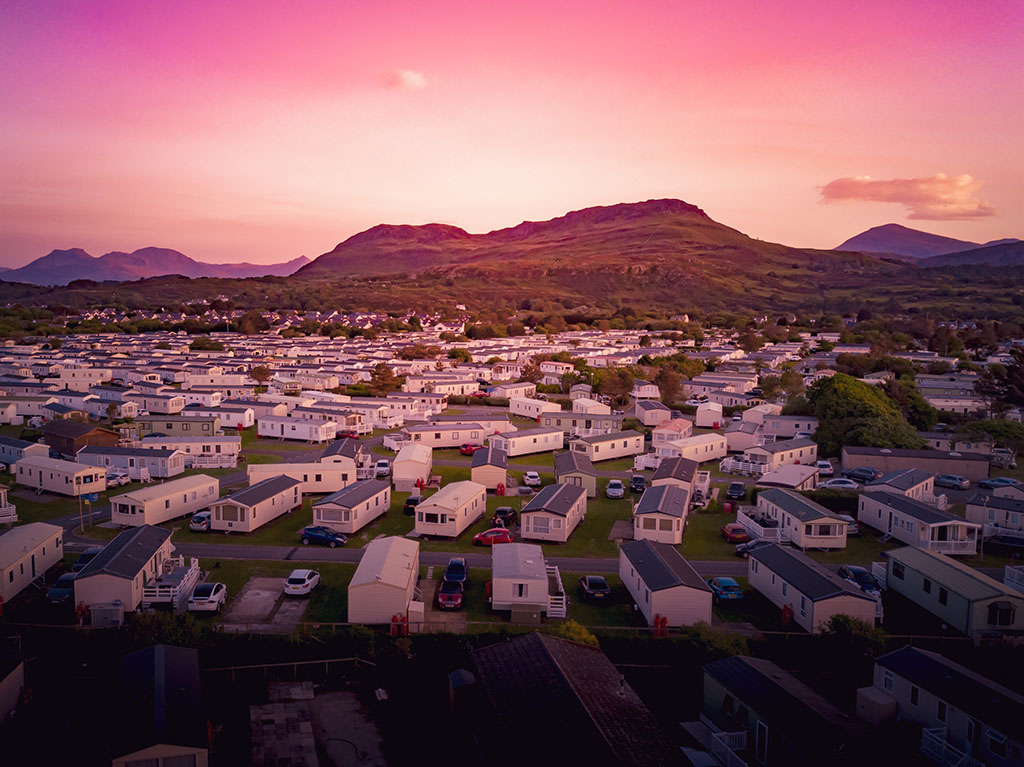
Lightning is often accompanied by strong winds which can be a bigger worry for caravan owners, and while static caravans are generally designed to withstand typical UK weather, severe storms can increase the risk, particularly if your caravan isn’t properly maintained. Remember to bring in anything that isn’t bolted or anchored outside, and make sure all doors and windows are secure.
PREPARE A STORM DAMAGE KIT
Storms can be unpredictable, so a little preparation goes a long way. A simple storm kit can help you stay safe and deal with any immediate issues and could include:
- Torch and spare batteries
- Portable phone charger
- First aid kit
- Waterproof clothing and blankets
- Basic tools and duct tape for temporary fixes
- A battery-powered radio for updates
INSPECTING YOUR CARAVAN AFTER A STORM
Once the storm has passed, it’s important to check your caravan for any damage.
Look out for:
- Roof damage or loose panels.
- Cracked windows or damaged seals.
- Damp patches or leaks.
- Issues with electrics or hook-ups.
Dry out any damp areas as soon as possible to prevent mould and arrange repairs promptly if needed.

TIPS FOR PLANNING FUTURE TRIPS WITH WEATHER IN MIND
- Check the weather forecast from a trusted source, such as the Met Office, before you travel, and consider delaying your holiday if needed.
- Take extra care if your caravan is near trees, open water, clifftops or anywhere that could be a risk in high wind and/or heavy rain.
- Think carefully before putting an awning up.
For more practical ways to protect your caravan all year round, take a look at our guide to caravan security.
Anyone who regularly holidays in the UK has to be prepared for all kinds of weather, it’s all part of the great British outdoors; the key is to be prepared and stay aware of the changing conditions, with the right prep you can ride out most weather safely and confidently.
Something else you can do for peace of mind is look into getting static caravan insurance, we offer two policies that have been designed to give you a choice of benefits, while still suiting your budget. You can then tweak your policy with a choice of two optional benefits – Gadgets & Mobile Phones, and Dog Emergencies. Take a look at the website, or give us a call for a free, no-strings quote today.
This blog is in no way sponsored, endorsed, administered by or affiliated with any brands or external websites mentioned in this content.
All content provided on this blog is for informational purposes only. We make no representations as to the accuracy or completeness of any information on this site or found by following any link on this site. We will not be liable for any errors or omissions in this information nor for the availability of this information. We will not be liable for any loss, injury, or damage arising from the display or use of this information. This policy is subject to change at any time.
We offer a variety of cover levels, so please check the policy cover suits your needs before purchasing. For your protection, please ensure you read the Insurance Product Information Document (IPID) and policy wording, for information on policy exclusions and limitations.