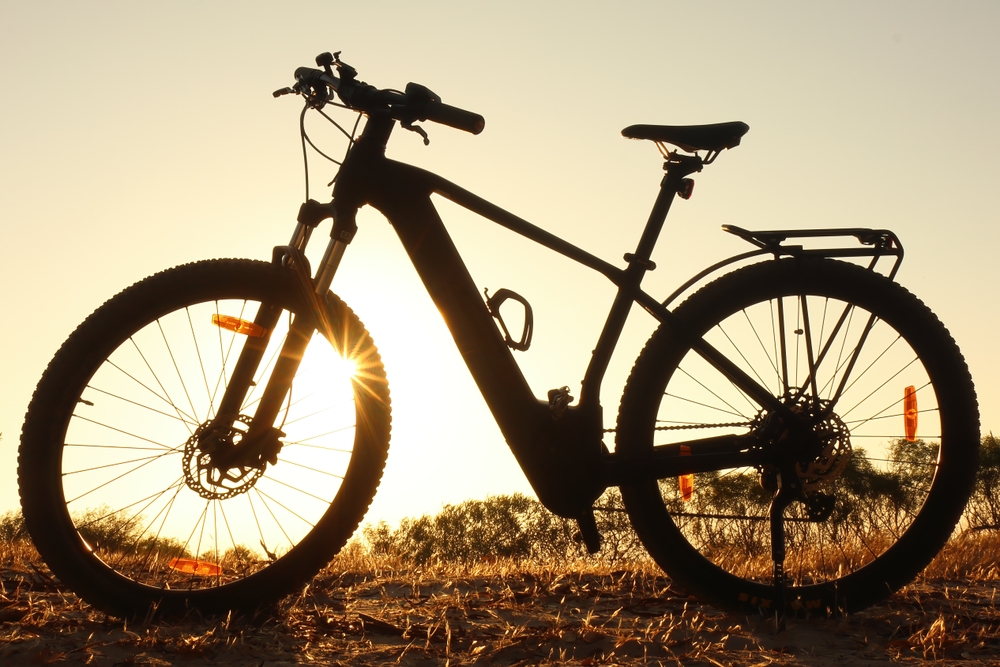
Here in the UK, bicycle sales have been falling in the last five years, after peaking during the COVID-19 pandemic, but at the same time, electric bike sales have been on the rise, with a 5% expected increase between 2024 and 2025. As cities and town planners try to find sustainable alternatives to cars, electric bikes have become a great alternative for commuters and leisure riders, as well as service providers such as food delivery companies.
There are a lot of misconceptions around electric bikes, maybe even a bit of snobbery among cyclists who see them as ‘cheating’; they’ve even been compared to motorbikes, but they’re a viable alternative and at a time when only 63.4% of people meet the minimum recommendations for UK physical activity levels (150 minutes or more a week), any exercise is better than nothing.
While they might seem a relatively new addition to our roads, the first electric bike was developed in 1895 by an inventor in the US, but what exactly is an electric bike? How is it different to a ‘normal’ bike, and what are the pros and cons? Let’s take a look.
WHAT’S THE DIFFERENCE BETWEEN AN ELECTRIC AND A NON-ELECTRIC BIKE?
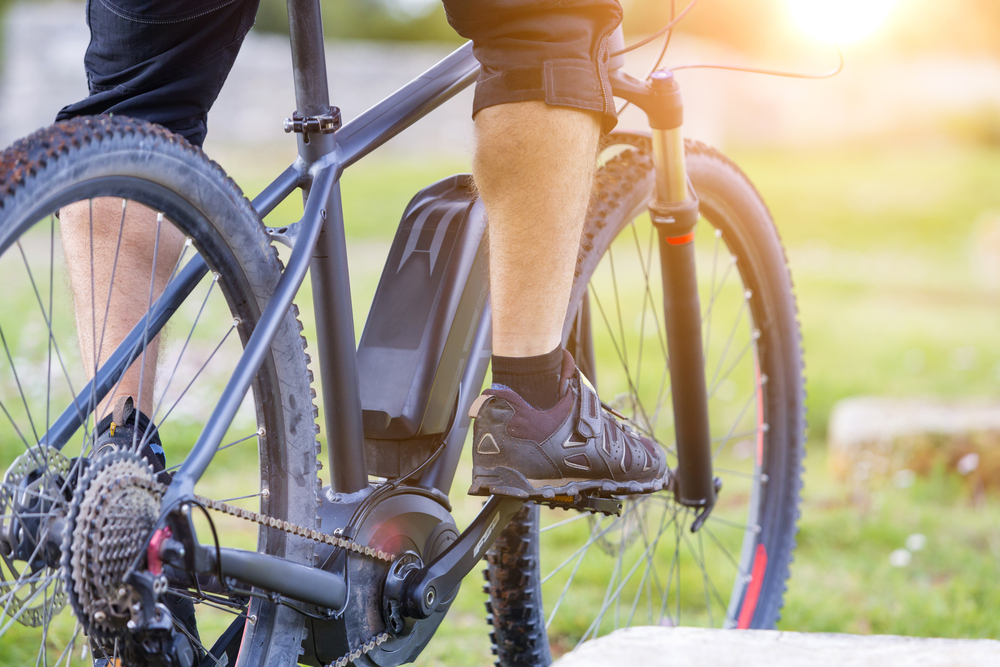
The technology and design of bikes has improved so much over the years that often it’s hard to tell the difference between a traditional bike and an ebike from just a quick glance. Ultimately an electric bike is very similar to a traditional bike – you still have to pedal – but an ebike has electrical components:
- A motor – this adds power to the pedals, and you control how much power it provides with a control panel. The motor can either be front, rear, or centre mounted.
- A bike sensor – this tells the motor that you’re pedalling. It will either be a Cadence sensor, which registers the pedals revolving and gives assistance depending on which mode you’re in; or a Torque sensor, which assesses the amount of force applied to the pedals and applies the appropriate assistance.
- A bike battery – these have different capacity levels which will determine your bike’s range. To charge it you just unlock it, remove it from your bike and plug it into a mains socket; this can take between 3 – 6 hours, depending on the size.
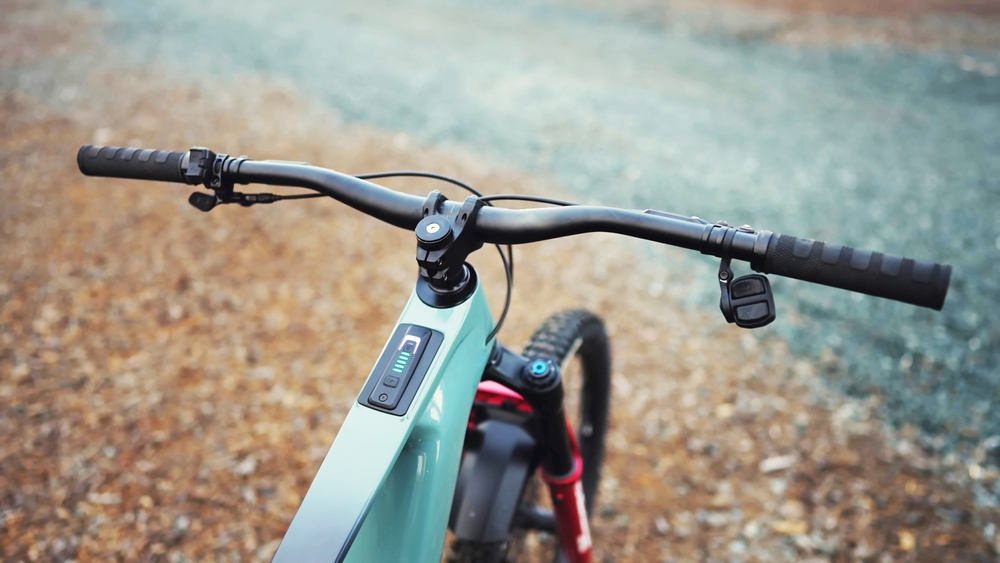
- Controls – these are often found on your handlebars.
- Display – these vary with each bike but are often in between the handlebars. They show how much battery you have left as well as your range, speed, distance and selected level of help.
PROS OF AN ELECTRIC BIKE
- You can travel faster and further
An ebike lets you go a little bit further than you would on a non-electric bike, with the same amount of effort, and you can go a little faster too.
- You can tackle hills
Unless you’re super-fit and train on this type of terrain regularly, hills can be tough on a bike, but an electric bike makes them much easier (see also, riding in a headwind). This means that cycle trips that you might not have done previously because you were worried about your fitness etc, are now an option; you might even find yourself on a bikepacking trip!
- They make cycling more accessible
If you’re an older cyclist, are recovering from an illness, have a medical condition, don’t have much time or just don’t feel you have the right level of fitness, then an electric bike can get you out there. That little bit of extra help from an electric motor can make all the difference and it means you can join in on family bike rides; cycling’s a great hobby that the whole family can enjoy.
- They’ll reduce your carbon footprint
Electric bikes have less impact on the environment than cars; 160,000 tonnes of greenhouse gas emissions are saved each year by cycling, and because an ebike runs on electricity it doesn’t produce harmful emissions, and they’re quiet.
- They feel safer
You often feel safer on an ebike, particularly when at a junction in traffic because you have more acceleration from a standing start; you haven’t got that wobble as you get going with a load of traffic waiting behind you. This makes them great for cycling around cities.
- They’re better for commuting
One thing that often puts people off from commuting to work, is that often you end up arriving really sweaty and flustered, but because an electric bike takes less effort you can cycle to work without breaking a sweat, and without needing a shower when you get there. Cycling can be quicker than driving, and it’s cheaper too; it might be worth checking to see if your employer has a cycle to work scheme too, which could save you money on a bike/accessory; they might even have a pool bike.

CONS
- They cost more
Electric bikes tend to be more expensive to buy than non-electric, and maintenance costs may be higher because of the electrical components.
- More risk of theft
They’re highly sought after and well-known for costing a bit more, which could mean there’s more of a risk of them being stolen.
- They weigh more
Electric bikes tend to be heavier so they may be harder to store/manoeuvre.
- Age restrictions
You need to be 14 or over to ride one.
REGULATIONS
Electric bikes in the UK are subject to certain rules. You don’t need a licence, and it doesn’t need to be taxed as long as it’s an EAPC (Electronically Assisted Pedal Cycle). An EAPC must have pedals that can propel it, the motor must cut off when the bike reaches 15.5mph and the maximum continuous power of the motor must not exceed 250 watts.
You can ride your electric bike anywhere a non-electric bike can ride, including cycle paths, and you can’t ride it on the pavement.
TIPS FOR GETTING AN ELECTRIC BIKE
- Do your research before you buy one, you could even rent one to try.
- Think about how much maintenance it will need/you’re able to do, and how long the battery lasts and how long it needs to charge – it needs to suit your budget and lifestyle.
- If you haven’t ridden one before, try it somewhere quiet without much traffic, e.g. a park, or a car park, until you get used to the extra power.
There are lots of reasons to swap four wheels for two, and adding a bit of extra power means you get the best of both. Another way to get the most from your cycling is to have the peace of mind that bicycle insurance can bring. You can insure up to six bikes on one policy, making it ideal for families, and you can customise your insurance with a range of optional benefits depending on your needs.
Take a look at our website, or give us a call for a free, no-strings, no-jargon quote today.
This blog is in no way sponsored, endorsed, administered by or affiliated with any brands or external websites mentioned in this content.
All content provided on this blog is for informational purposes only. We make no representations as to the accuracy or completeness of any information on this site or found by following any link on this site. We will not be liable for any errors or omissions in this information nor for the availability of this information. We will not be liable for any loss, injury, or damage arising from the display or use of this information. This policy is subject to change at any time.
We offer a variety of cover levels, so please check the policy cover suits your needs before purchasing. For your protection, please ensure you read the Insurance Product Information Document (IPID) and policy wording, for information on policy exclusions and limitations.