Horses are fantastic creatures, offering us the chance to embark on many adventures. However, learning to ride a horse can seem intimidating; there’s a lot to learn, and the consequences can be serious if a horse is handled incorrectly. That’s why here at The Insurance Emporium, we’ve put together five tips for learning to ride a horse.
1. Learn from the experts
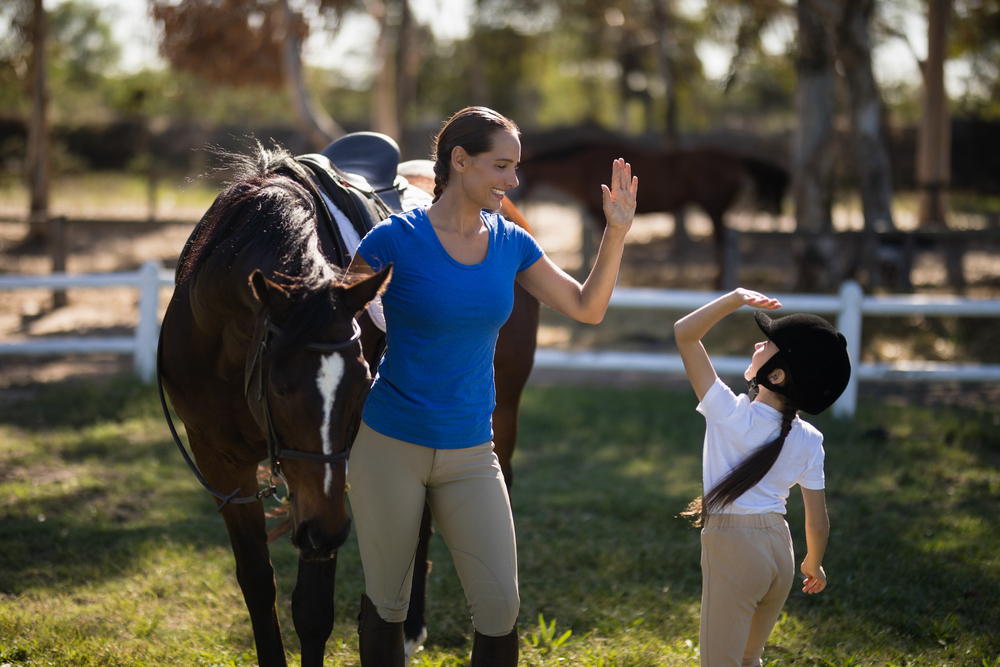
Whilst there are a number of skills you might be able to pick up and teach yourself, riding isn’t one of them! It’s important to find an instructor you can connect with – and that you feel comfortable and secure around, and able to ask questions or raise concerns when you need to. A good instructor could also catch any bad habits early on and prevent them from developing.
2. It’s more than riding
It may sound counter-intuitive, but learning to ride a horse is more than just learning to ride. Learning to catch your horse from the field, leading them safely, and tying them up correctly are all important skills, as is learning how to stay safe when out riding. You could also gain experience of grooming your horse before a ride as well as tacking up. Practicing these skills on the ground might help to make you a more of a well-rounded rider.
3. Enjoy the process
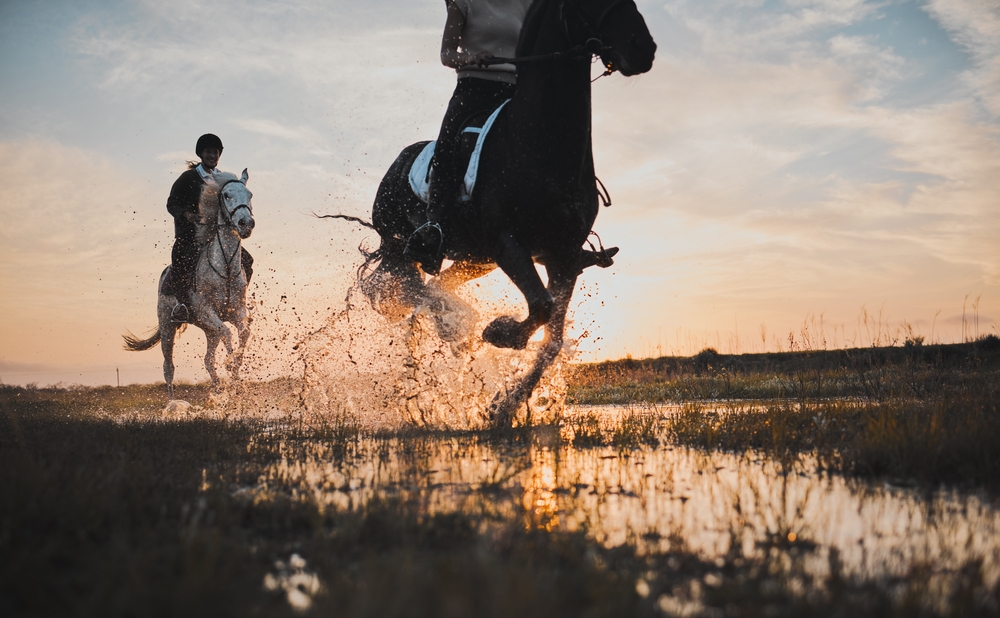
It sounds like a cliché, but riding really is a journey. When you begin, you might be using muscles you’ve previously ignored, and your body might ache the day after! As you gain strength and flexibility, the physical exercise will become easier. However, you might still have days where your mind goes blank, and you can’t even get onto your horse smoothly, let alone make it trot. It could all depend on your mindset that day, and, perhaps most importantly, the mood of your horse!
4. Celebrate your progress
Once you have the basics down, you’ll be amazed at how you can progress with perseverance and passion. There are so many routes to take – perhaps you want to specialise in show jumping, and enjoy the thrill of competition or take some of the British Horse Society assessments, and begin a proven record of progress. You might discover a desire for dressage, or be called to cross country; there are endless directions in which horse riding can take you.
5. Don’t dump and dash
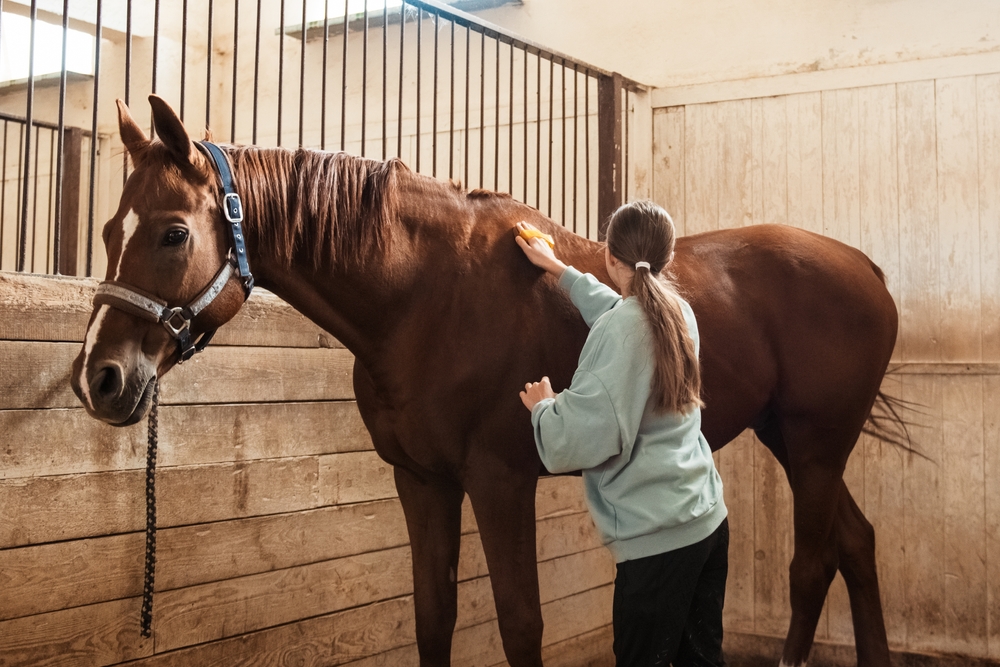
Being a good rider doesn’t end with the dismount! Just as it’s your responsibility to care for your horse before the ride, you should reward them afterwards. Learn how to untack and cool off your horse – they will appreciate a brief brush before being left to their hay, but if you’ve been working hard or the weather is scorching, they also might need hosing down. A suitable, healthy treat could also go down really well.
It’s never too late to learn a new skill, and horse riding could be a great pastime to take up, even in later life. Riding might improve fitness, balance and agility, as well as giving you the opportunity to develop a bond with some truly remarkable animals. You might want to take out horse rider cover when starting your adventure, and The Insurance Emporium offer up to 30% discount* on Horse Insurance.
*The 30% discount is made up of 20% Introductory Discount plus 10% Multi-horse Discount (if appropriate).
All content provided on this blog is for informational purposes only. We make no representations as to the accuracy or completeness of any information on this site or found by following any link on this site. We will not be liable for any errors or omissions in this information nor for the availability of this information. We will not be liable for any loss, injury, or damage arising from the display or use of this information. This policy is subject to change at any time.
We offer a variety of cover levels, so please check the policy cover suits your needs before purchasing. For your protection, please ensure you read the Insurance Product Information Document (IPID) and policy wording, for information on policy exclusions and limitations.