

Welcoming a dog into your life is exciting—but it comes with responsibilities. Many couples even see it as ‘practice parenting’.
Whether you’ve chosen your pup or are still deciding, this guide covers everything a first-time dog owner needs to know.
Before you bring your dog home
Choosing the right breed starts with understanding your lifestyle. Ask yourself:
- Do you have young or older children or pets?
- Does your home suit a small, medium, or large breed?
- Do you prefer a low-shedding breed or don’t mind some fur around?
- How much time could you dedicate to exercise?
- What’s your budget for pet care?
Matching your lifestyle to the right dog breed is key to a happy home.
Cost is another key factor. Our data shows Jack Russell Terrier Crosses are the most affordable*, while German Shepherds top the expense list.
Find out what our customers, Elaine and Jayne said on what advice they’d give other pet owners if they’re considering getting a dog.
Once you’ve decided which breed is right for you, it’s a good idea to get your home ready for the arrival of the newest member of your family. Things to consider:
- Puppy-proofing your space.
- Create a safe area for your pup.
- Stock up on essentials e.g. training pads, a crate, puppy dog food (what food are they currently eating?) dog bowls etc.
- Choose a vet and book in their vaccinations.
The first few weeks

Start your puppy parenting with a routine. Expect some sleepless nights during toilet training, just like with a newborn.
Once things settle down, you’ll want to get them used to when mealtimes are. Younger puppies typically eat four-six meals a day, which slowly reduces down to two by the time they’re six months old, although each breed is different.
Begin socialising your puppy early by carrying them outside before vaccinations. Afterward, let them explore outside on all four paws to meet other dogs and people and to encounter new experiences. The socialisation window is an important time for them to learn about the world and the things in it.
For the first few weeks it’s all about building a bond and relationship with your fur-baby, and you getting used to living with them as much as they’re getting used to living with you.
Training and behaviour basics
Once your pup has settled into their new surroundings and have the beginnings of a routine you might want to consider some basic training.
Here’s some tips to get thing off to a smooth start:
- Encourage positive, reward-based training.
- Keep training sessions short.
- Start with basic commands, such as ‘sit‘.
- Ensure all family members use the same commands.
- Focus on rewarding good behaviour rather than focusing on bad behaviour as they won’t really understand what you’re telling them off for.
Finally, avoid leaving your pup on their own for long periods of time while they’re young. If you plan to leave them, go slow and steady to avoid behavioural issues such as separation anxiety.
Health and wellbeing

When you collect your puppy from the breeder, here’ a quick checklist of things you might need to know about:
- Has your puppy been microchipped and registered to your address? This is a legal requirement and is the breeders’ responsibility. If they haven’t, you could be fined up to £500. This includes making sure the details are kept up to date e.g. if you move house.
- When was your puppy last given flea/worming treatment? You’ll need to continue with a regular schedule once they’re living with you as well as their routine vaccinations..
- What pet food was your puppy given when moved on to solids? Keeping their food consistent at the beginning is important as their tummies are quite sensitive. Any change in food should be done gradually.
Planning in regular exercise is a good way of managing your pooch’s health and wellbeing. Like us humans, obesity in dogs is associated with several health conditions such as arthritis, diabetes, back problems and more. Therefore, it’s important to check how much exercise your dog breed is going to need. Until they’re one years old, their exercise will need to be tapered back as they’re growing and over exercise can cause bone and joint damage.
However tempting it is to offer your pooch the scraps from your dinner plate, not all food is safe for dogs to eat. We’re often aware of the fact that chocolate is a poisonous food to dogs, however there are plenty more, including:
- Onions, garlic and chives.
- Corn on the cob.
- Avocado.
- Xylitol.
- Cooked bones.
- Grapes and raisins.
…to name but a few…Christmas in particular is a time where owners may let their guard down so it’s important to know what foods your pet pooch can and can’t eat.
Financial planning for dog ownership
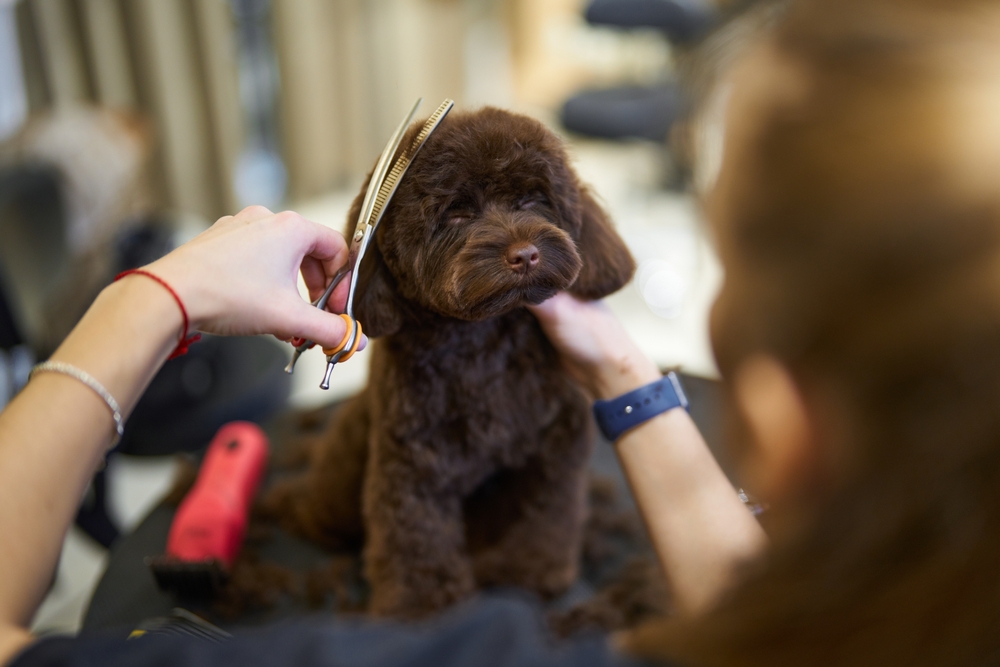
There’s no shying away from the fact that dog ownership comes with ongoing costs, such as:
- Food
- Grooming
- Routine vet care e.g. vaccinations, flea and worming treatment
- Toys
Yet, it’s also worth thinking about if the unexpected were to happen to your pup, how would you plan to cover the cost?
Pet insurance is an important consideration to help owners plan for the unexpected. However, there’s a lot to get your head around, from the different policy types, to excesses and optional benefits.
Remember to take your time and do your research, it’s worth thinking about how some dog breeds are more prone to common conditions and illnesses than others. Our research on the most common conditions** for the top 30 most popular dog breeds might shed some light on the average cost to treat your dog breed.
Let’s catch up with Jane and Elaine again to find out what happened when they had to make an insurance claim for their beloved hounds.
Elaine and Bella:
Jayne and Boo:
Becoming a dog owner is a rewarding journey filled with joy, learning, and companionship. From choosing the right breed to training, health care, and budgeting – preparation is key.
Find out how The Insurance Emporium’s dog insurance can help protect your four-legged friend. With five different policy types to choose from – from Public Liability Only to Lifetime – some of which you can then tweak with a choice of optional benefits. You’ll easily find a policy to suit you, your pup and your budget. Take a look at the website today, or give us a call for a free, no-strings quote.
*The annual cost to insure each breed according to our data (correct at the time of writing this: 25.03.25) – based on each breed being under 8 years of age, located in York, on a Time Limited Bronze Yearly policy with Illness & Accidents cover.
** Data provided is from The Insurance Emporium’s internal data on dog & senior dog policies. Taking the 30 most popular dog breeds it insures, The Insurance Emporium has reviewed the top five most common conditions/illnesses owners claimed for, from 01/01/2024 to 31/12/2024, and what was the average cost the customer claimed for (not paid).
All content provided on this blog is for informational purposes only. We make no representations as to the accuracy or completeness of any information on this site or found by following any link on this site. We will not be liable for any errors or omissions in this information nor for the availability of this information. We will not be liable for any loss, injury, or damage arising from the display or use of this information. This policy is subject to change at any time.
We offer a variety of cover levels, so please check the policy cover suits your needs before purchasing. For your protection, please ensure you read the Insurance Product Information Document (IPID) and policy wording, for information on policy exclusions and limitations.