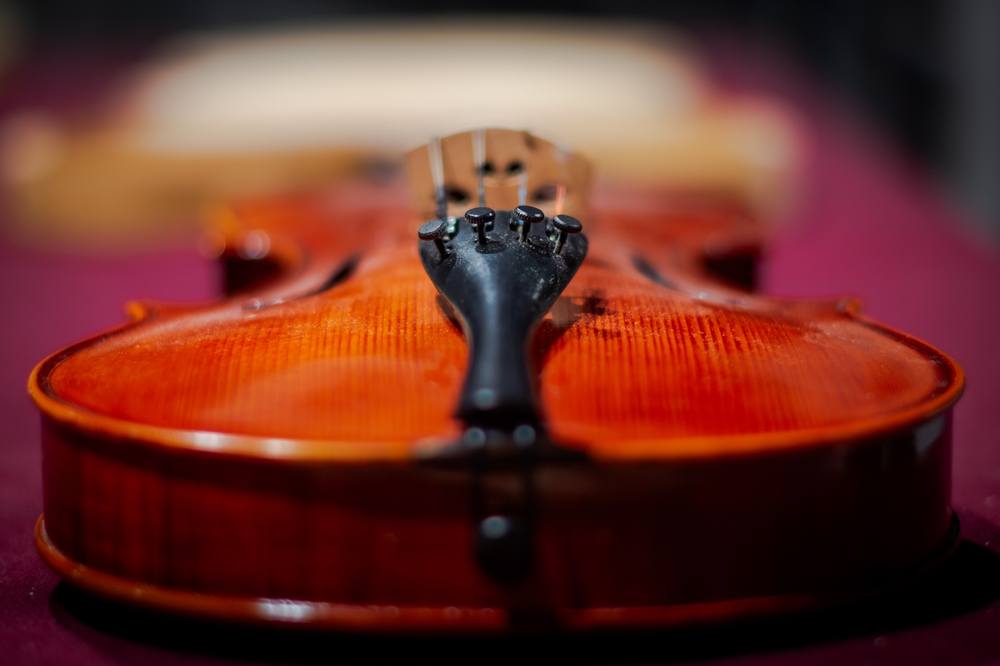
When you think of a musical instrument, chances are you’re picturing a guitar, a trumpet, maybe even a piano or a violin – after all, these instruments are what we see in mainstream music all the time. But there are so many different instruments out there, some of which have been around a lot longer than your classic piano which only came into common use in the 1800s. In fact, the oldest known instrument is a Neanderthal Bone Flute that dates back 50,000 years.
Music has become standardised and controlled, and we’re used to hearing the same instruments, either organically or with a synthesiser so, with years of specialised music insurance behind us, we thought we’d take a look at some of the more unusual instruments we insure here at The Insurance Emporium.
THE SACKBUT (Brass)
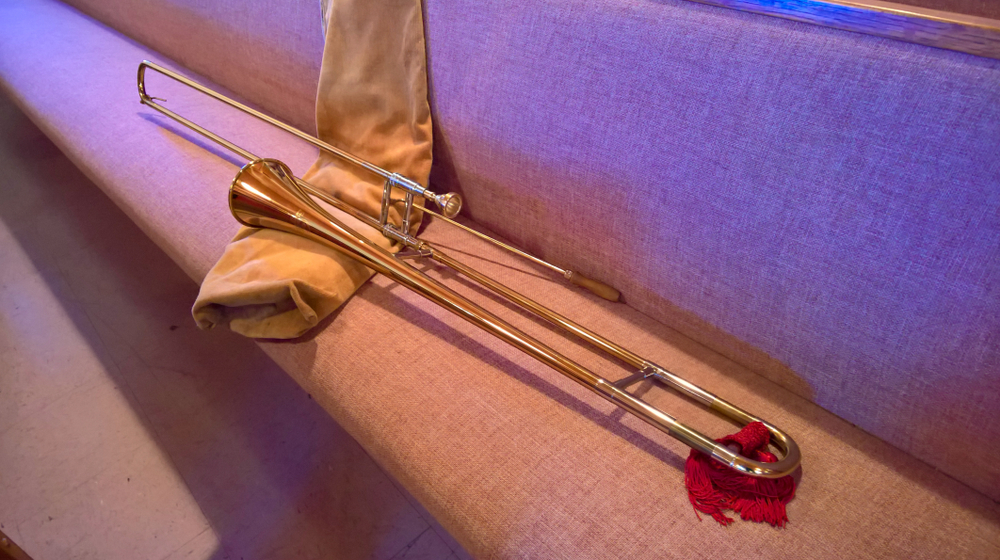
A sackbut is a wind instrument similar to a trombone, and it was commonly used in the Renaissance and Baroque periods. It gets its name from the French words ‘sacquer’ (to pull) and ‘bouter’ (to push), but it’s also been known as a Sagbutt, a Shakbusse and a Shagbott.
The Sackbut became less popular in the 18th century but has since been revived for historical performances and modern replicas have been produced. It’s become an important instrument in the study of brass instruments.
THE BODHRÁN (Drums and Percussion)
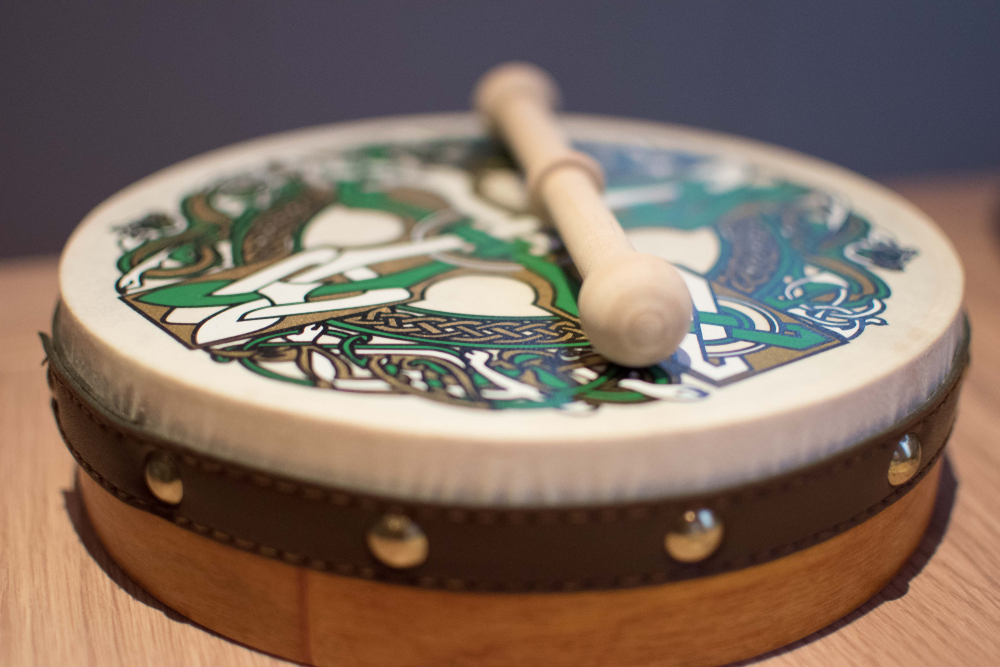
This traditional Irish drum is one of Ireland’s oldest instruments. It looks a bit like a tambourine as it has a circular frame with a skin stretched over it – traditionally sheep or goat, but now they’re synthetic. The name literally translates as ‘skin tray’ and they were originally used to carry peat. It was then used as a battle drum so that Celtic warriors could march to the beat (as well as being quite terrifying for their opponents to hear!) But fast forward to the 1960s and it was increasingly used in traditional Irish music. It’s usually played with a double-ended drumstick, or with the palm of the hand.
THE CLAVICHORD (Piano and Keyboard)
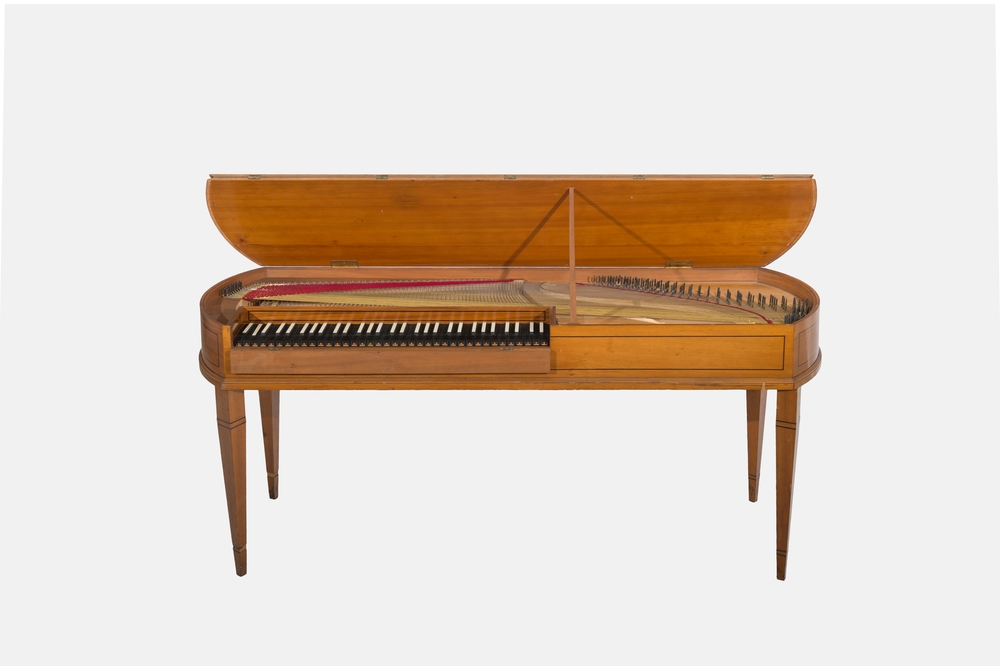
Another one from the Baroque and Renaissance periods, the clavichord is an early relative of the piano, albeit much smaller. It was initially used for composition and practice purposes, mainly because the sound it makes isn’t ‘big’ enough to fill a concert hall, and it’s often associated with Johann Sebastian Bach and Mozart.
It’s got quite a delicate sound and although it’s a not a big instrument, it’s played a huge role in the development of classical music and is still played today; 400 recordings of the instrument have been made in the past 70 years and an electronic version – the Clavinet – was used by Stevie Wonder on his hit song ‘Superstition’.
THE BALALAIKA (Strings)
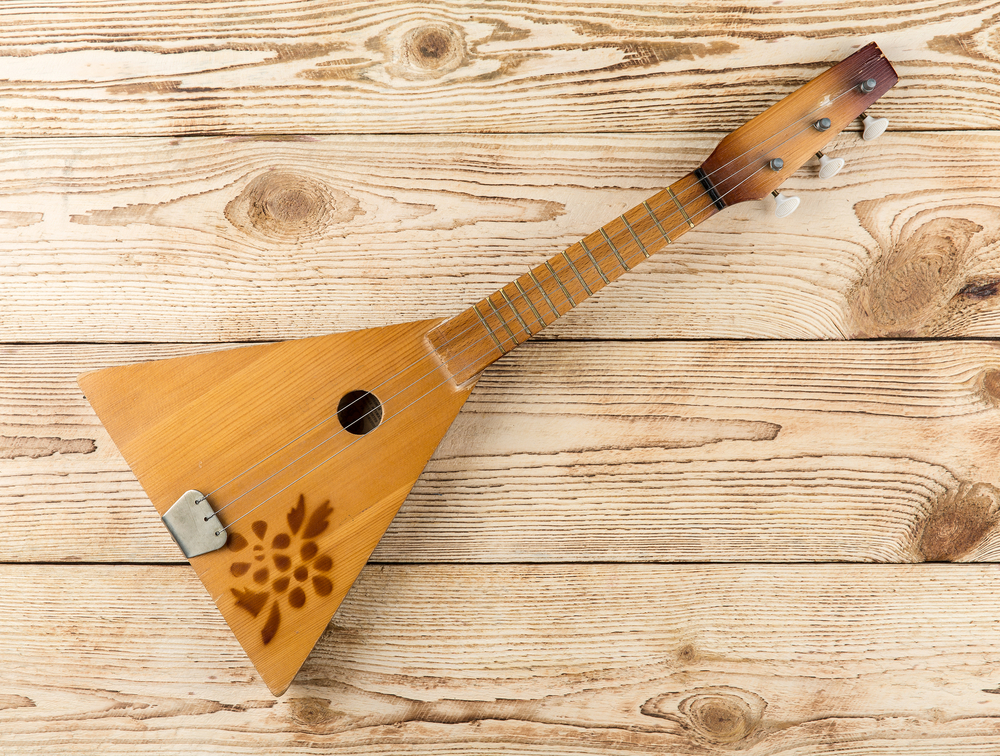
The Balalaika is a distinctive looking instrument from Russia with a triangular body and a fretted neck (like a guitar) with three strings, two of which are usually tuned to the same note. They come in different sizes, from the high-pitched Piccolo Balalaika to the deep Contrabass Balalaika – these are often bigger than the player and need their own legs to stand on.
Balalaikas were originally popular with Russian peasants and were associated with traditional Russian folk music and are often brightly painted and decorated; it’s an important part of Russian culture but they’ve also been used for more modern music. The name comes from the Russian word for ‘to babble or chatter’.
THE DIDGERIDOO (Woodwind)
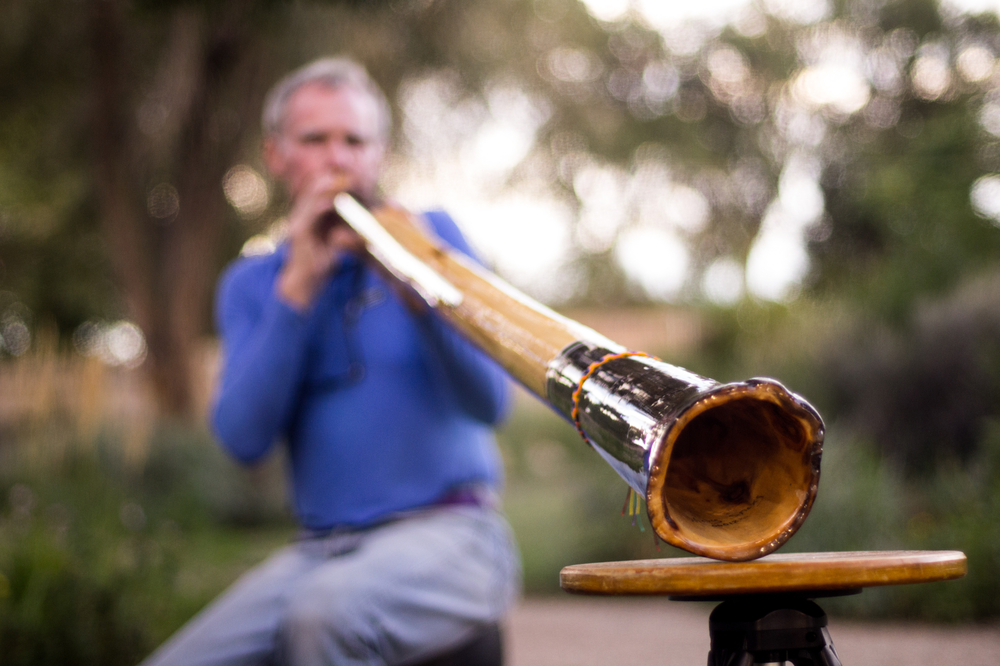
We’re all familiar with this long wooden pipe from Australia, but the didgeridoo actually dates back to 40,000 years ago when indigenous Australians found eucalyptus branches that had been hollowed out by termites. These days they’re made from lots of different materials including plastic, metal and fibreglass, and they can be anything from three to ten feet long.
They weren’t originally used for musical purposes but were associated with rituals for natural occurrences such as sunsets, or for ceremonies for funerals or healings. They’re also used for storytelling; it was thought that they contain the voice of the ancestral spirit of the tree they were made from, so only one was made from each tree. It’s widely believed that women aren’t allowed to play them, but it’s more a case of it just not being the norm. There are conflicting views on the origin of the name; some people believe it’s named after the sound it makes, others think it comes from an Irish word – dúdaire – which means ‘long necked’, ‘trumpeter’, and ‘puffer’.
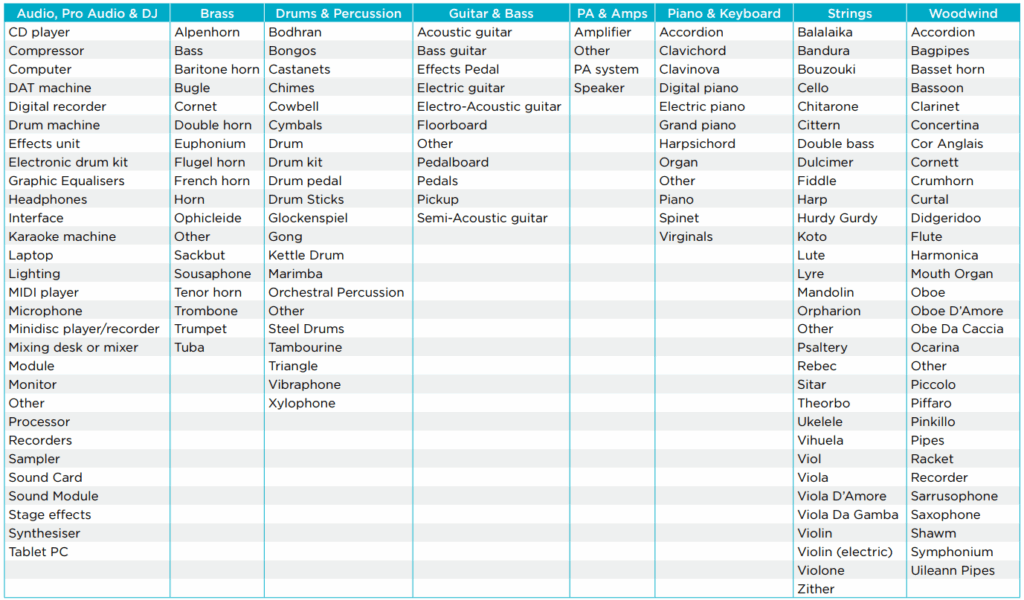
WHAT DO WE INSURE?
Click the image below to see a list of the musical instruments we insure.
These are just a few of the unusual instruments out there, each one with its own unique sound and history and, as we’ve seen, humans have been making music for at least 40,000 years, possibly from before we even had words to communicate. It plays an important part in our society and has even been proven to be beneficial to our mental health.
Often our instruments are an extension of ourselves and have huge sentimental value, as well as practical, and you’ll want to do everything you can to protect them; whether you’re a professional musician or a passionate amateur. Our music insurance comes with a set of standard benefits designed to cover you for everyday circumstances, you can then tweak your policy with optional benefits that give you a policy that suits your needs, and your budget. Take a look at the website, or give us a call for a free, no-strings quote today.
This blog is in no way sponsored, endorsed, administered by or affiliated with any brands or external websites mentioned in this content.
All content provided on this blog is for informational purposes only. We make no representations as to the accuracy or completeness of any information on this site or found by following any link on this site. We will not be liable for any errors or omissions in this information nor for the availability of this information. We will not be liable for any loss, injury, or damage arising from the display or use of this information. This policy is subject to change at any time.
We offer a variety of cover levels, so please check the policy cover suits your needs before purchasing. For your protection, please ensure you read the Insurance Product Information Document (IPID) and policy wording, for information on policy exclusions and limitations.