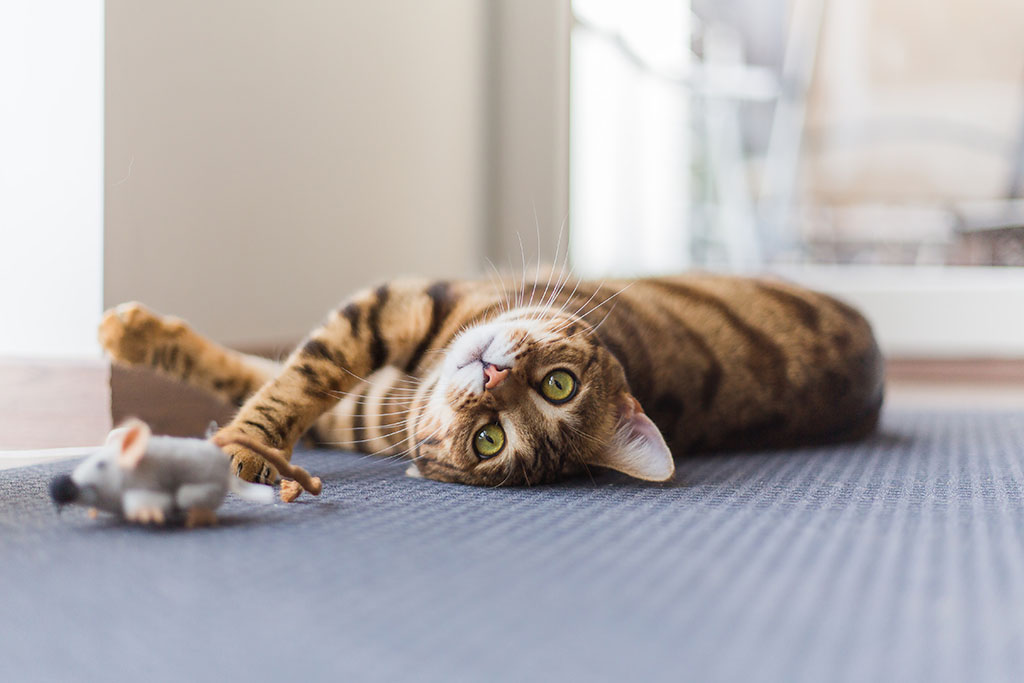
We cat owners love our cats; they make amazing companions and are hugely entertaining. But they’re not the most straightforward of pets and sometimes their behaviour can be a little – confusing. From trying to get a mouthful of our coffee, to listening to music, there are a lot of cat characteristics that we just don’t get. For example, why do they knead their blanket? Is purring a good thing? And do they actually love us or are we, as we suspect, just their human slaves who hold doors open for them?
All cats are unique, and a little bit mysterious, which is why we love them, but sometimes certain behaviours can indicate health issues. So, with this in mind we’ve put together a brief guide to cat characteristics in an attempt to help you understand your little furry dictator that little bit better.
THE FELINE FIVE (A CAT’S PERSONALITY TRAITS)
What is a cat’s personality like? Researchers have found five personality traits in cats – The Feline Five. All cats have these traits but in varying degrees:
- Neuroticism – insecure, scared of people, shy.
- Extraversion – alert, curious, inventive, smart.
- Dominance – bullying, aggressive.
- Impulsiveness – volatile, unpredictable, ruthless.
- Compatibility – affectionate, gentle, friendly.
PHYSICAL CHARACTERISTICS OF CATS
Vision
Cats have fantastic vision, which makes them great hunters as they need to be able to judge speed and distance, their vision is reported to be six times better than a human’s.
Hearing
A cat’s hearing is also supposed to be better than a human’s (and don’t tell the dogs but it’s better than most dog’s too…) They also have special structures in their inner ears that mean their vestibular system is highly developed, this helps with their balance, making them very agile, and contributes to their ‘righting reflex’ which gives them the ability to always land on their feet. Cats also have flexible spines and no collarbone, which helps their overall flexibility.
Smell
Cats have a stronger sense of smell than humans even though they don’t use it as much as other animals.
BEHAVIOURAL CHARACTERISTICS OF CATS
Hunting
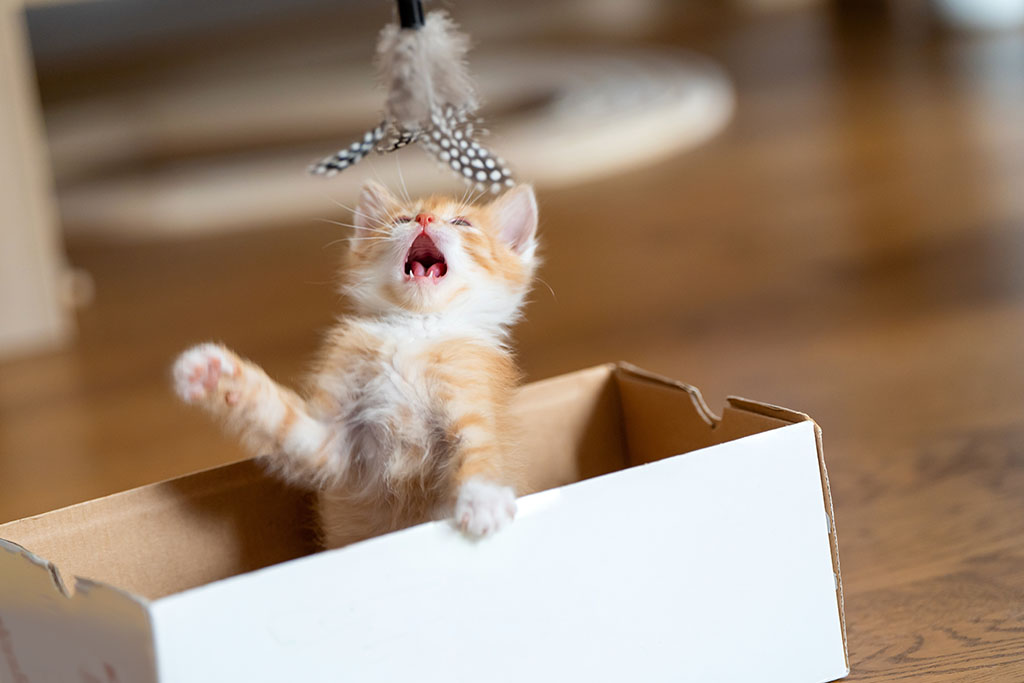
Cats are natural predators so while food will fulfil their nutritional needs, it doesn’t fulfil their behavioural needs, and they still have the urge to hunt. This is why they turn up with ‘gifts’ for you; birds, mice etc, it’s not misbehaving, it’s just in their nature. You can discourage this by giving them a collar with a bell on it to warn their prey, keep them inside at dusk and dawn, and keep them in after rain to let the birds come out and feed in peace.
Marking
Cats like to mark their territory, and they do this by scratching, or rubbing the sides of their faces against things (and people) as this is where they have scent glands. It lets other cats know that you’re theirs, as well as being reassuring for them.
Scratching
Scratching is normal cat behaviour, however annoying it might be if it’s your new dining chairs that are feeling the brunt of it! They do it to mark their territory, maintain their claws, and relieve stress; it also lets them have a proper stretch and relieve muscle tension. It’s probably easier to try to redirect it, rather than stop it completely, by giving them a scratching post.
Purring
Some cats purr a lot, others hardly at all. It’s often a sign the cat is happy and content, but they can also use it as a way of soothing themselves if they’re in pain.
Kneading
You’ve probably noticed your cat kneading something, often a blanket or cushion, maybe even your leg – which can be uncomfortable as they contract and expand their claws. This is from when they were kittens and they kneaded their mothers while suckling to stimulate the milk flow.
SOCIAL CHARACTERISTICS OF CATS
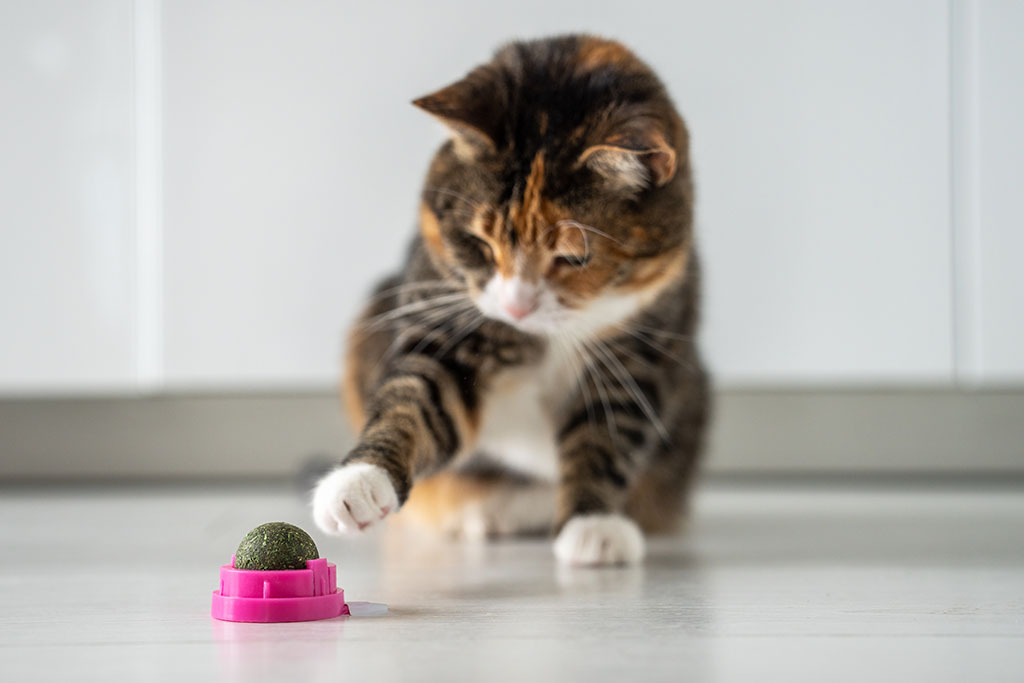
Cats aren’t born wanting to be around humans, it’s something they learn when they’re a few weeks old and if they miss out on positive interactions with humans at that early stage, it could affect how they are around people later on; e.g. they might be scared of people, or not as friendly. A sociable cat will be happy being around people and will initiate contact; they’ll want to climb onto their laps or rub against them.
It’s the same when it comes to mixing with other cats; if they haven’t been around other sociable cats from a young age, then it won’t come naturally to them.
UNDERSTANDING YOUR CAT’S BODY LANGUAGE
Cats have very subtle body language; as any cat owner knows, it’s not easy to work out what they’re thinking or feeling. But you can keep an eye on certain things such as posture; for example, a happy cat will have a relaxed posture, with an upright tail and its ears in a normal position, or they may stretch out with their belly exposed.
A worried cat might sit in a crouched position with their tail tucked in, or they may hide, and an angry cat may flatten their body and their ears and seem tense. Or they might arch their back and lift a front paw.
OTHER SIGNS TO LOOKS OUT FOR
- Grooming themselves a lot more than usual.
- Hiding.
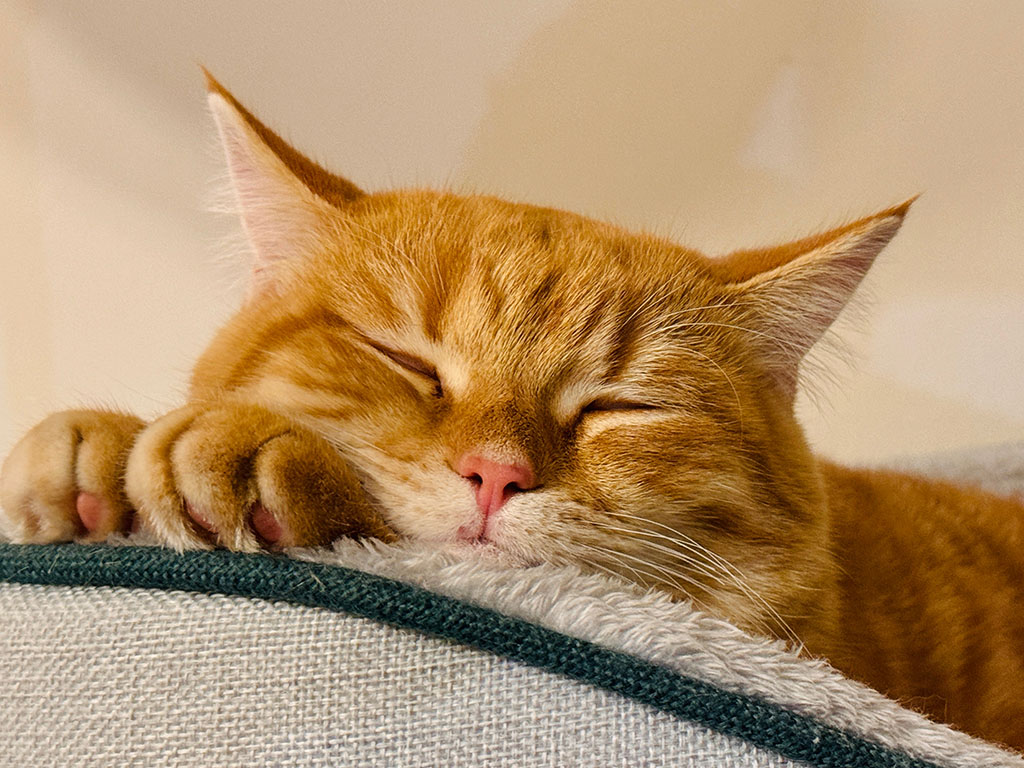
- Not looking very relaxed when sleeping or sitting.
- A change to their eating/toilet habits.
- Spraying indoors – spraying outdoors is normal, it’s a way or marking territory, but indoor spraying could be a sign they don’t feel secure.
- Being more aggressive.
As ever, if you have any concerns then speak to your vet.
It’s important to remember that all cats are different, and what might be perfectly normal behaviour for one cat, could be a sign of behavioural issues in another – after all, this uniqueness is partly why we love them, and why they’re the subject of many a cat myth. The key is to know your own cat, then you’ll know if their behaviour has changed.
While we can’t protect our cat from everything, it might be worth considering looking at cat insurance for peace of mind if the unexpected were to happen. We offer four different types of cat insurance policy, some of which can be tweaked with optional benefits. This means that whatever type of cat you’ve got, from a hairless diva who spends their days lounging in the sun, to a cheeky moggie who’s out from dawn to dusk, hunting for ‘presents’ for you, you’re doing everything you can to give them the best life.
All content provided on this blog is for informational purposes only. We make no representations as to the accuracy or completeness of any information on this site or found by following any link on this site. We will not be liable for any errors or omissions in this information nor for the availability of this information. We will not be liable for any loss, injury, or damage arising from the display or use of this information. This policy is subject to change at any time.
We offer a variety of cover levels, so please check the policy cover suits your needs before purchasing. For your protection, please ensure you read the Insurance Product Information Document (IPID) and policy wording, for information on policy exclusions and limitations.