There’s a real trend for hairless cats at the moment, they seem to have become much more common recently, but they actually date back centuries. There are depictions of them in artefacts from ancient civilizations, such as the Aztecs who saw them as sacred beings with healing properties.
Their hairlessness is a genetic mutation, and it’s led to several unique breeds that have captured the hearts of cat lovers everywhere. We thought we’d take a look at some of them.
1. THE SPHYNX
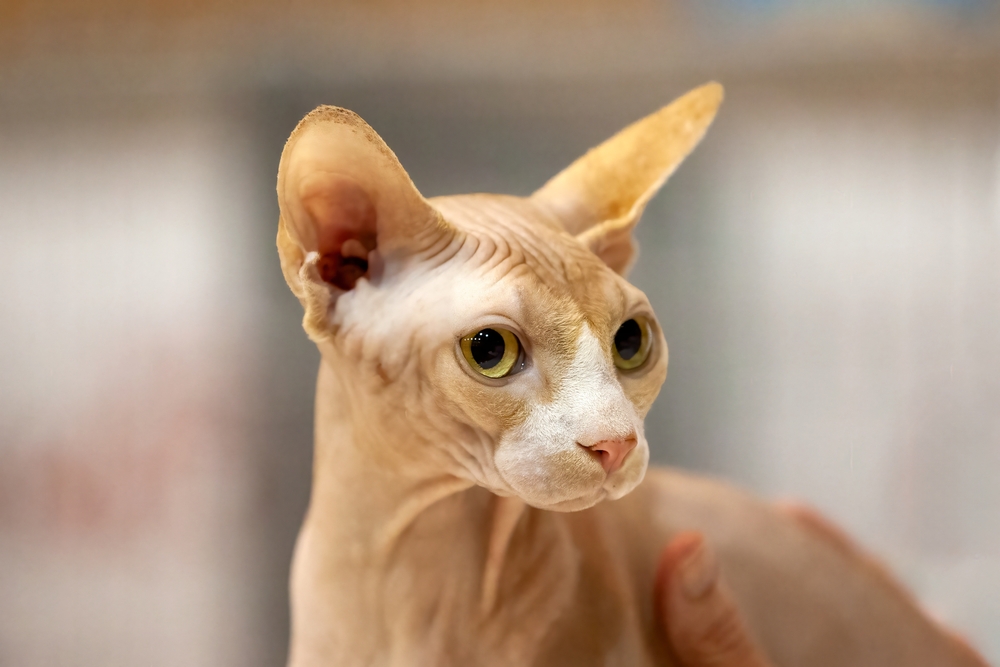
LIFESPAN: 8 – 14years
WEIGHT: 2.5 – 5.5kg
DISTINCTIVE FEATURES: The sphynx cat is one of the most common of hairless cat breeds and some still have a fine layer of ‘peach fuzz’ hair all over. They can be outgoing and cheeky and very vocal!
2. BAMBINO
LIFESPAN: Up to 12 years
WEIGHT: 2 – 4kg
DISTINCTIVE FEATURES: As the name suggests, these are pint-sized cats. They have short legs and large ears and can be really affectionate and playful.
3. DONSKOY
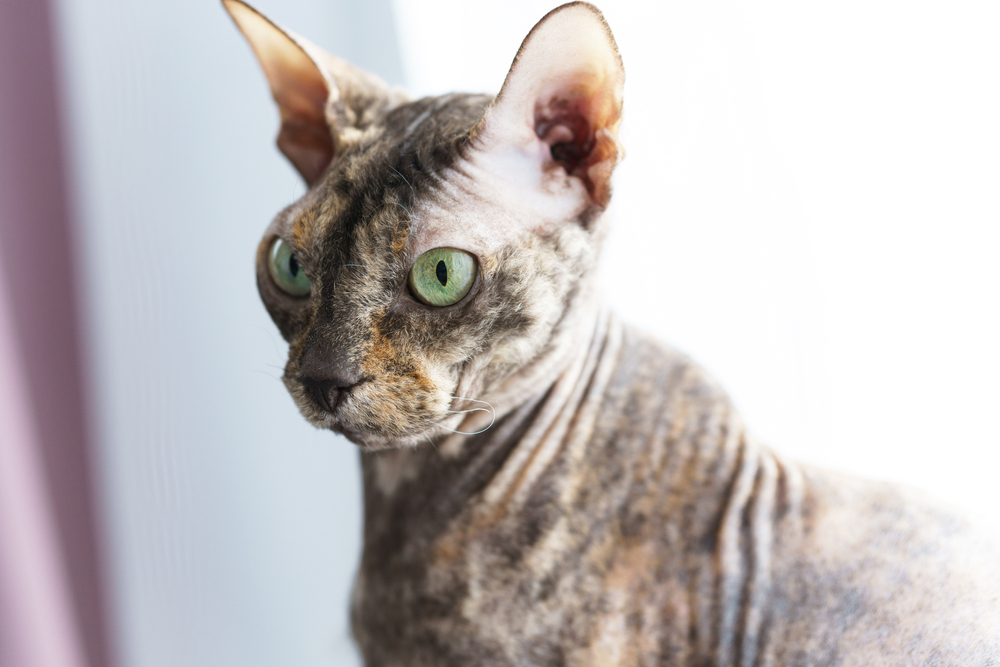
LIFESPAN: 12 – 15 years
WEIGHT: 3 – 7kg
DISTINCTIVE FEATURES: Also known as the ‘Russian Hairless’ these cats can develop a light coat of fur in the winter that they then shed when the weather gets warmer. They’re intelligent and, unlike most cats, can be easy to train.
4. DWELF
LIFESPAN: Approx. 12 years
WEIGHT: 2 – 4kg
DISTINCTIVE FEATURES: This cat is a mix of a few breeds that have created an elf-like look. They can be prone to issues with their joints and bones but are really playful and outgoing with lots of energy.
5. ELF
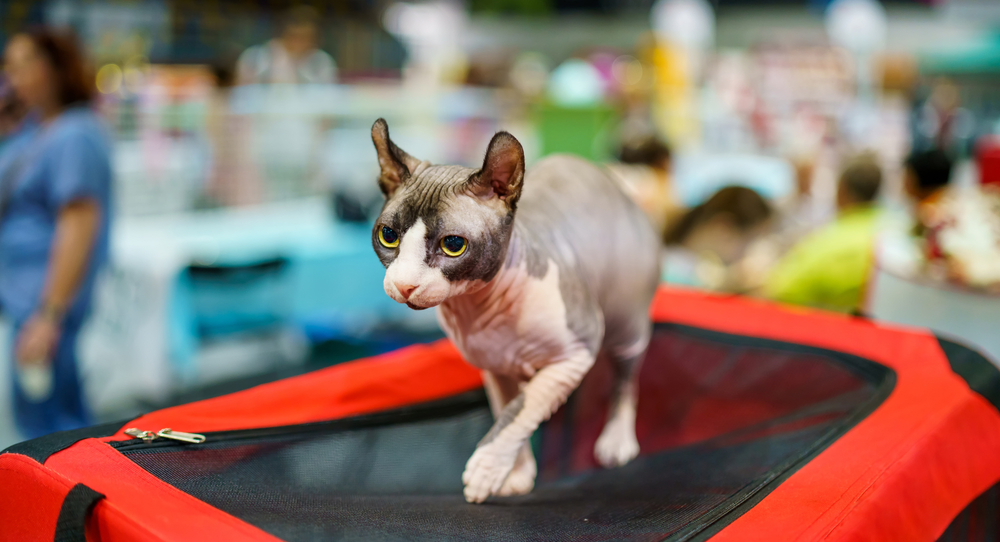
LIFESPAN: 8 – 14 years
WEIGHT: 4 -7kg
DISTINCTIVE FEATURES: Their distinctive ears, prominent cheekbones and wrinkly skin have drawn comparisons to Dobby the House Elf from Harry Potter. They’re covered in a light fuzz and are really clever and affectionate.
6. MINSKIN
LIFESPAN: Approx. 12 years
WEIGHT: 2 –3kg
DISTINCTIVE FEATURES: These adorable little cats have a layer of fine fur, and their name literally comes from the words ‘miniature’ and ‘skin’. Because of their short legs, big eyes and large ears they’re often compared to aliens. They’ve got loads of energy though and love to play.
7. LYKOI
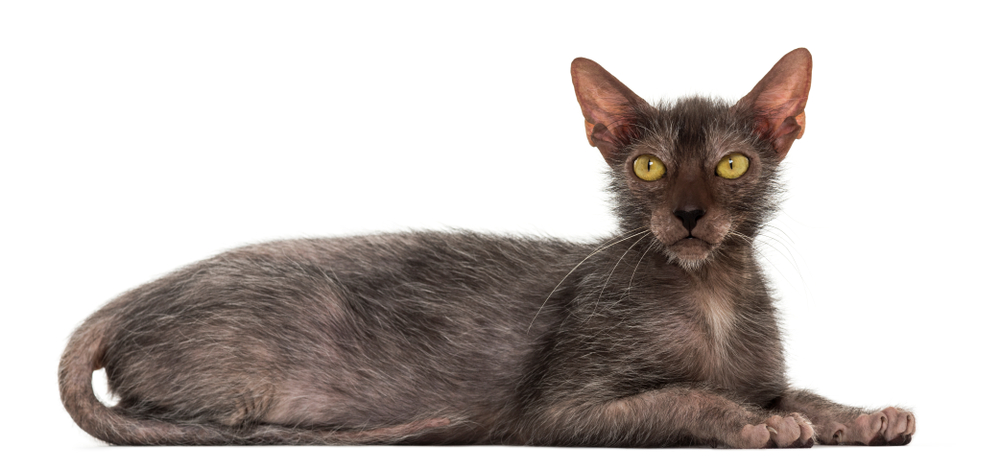
LIFESPAN: 15 – 20 years
WEIGHT: 2 – 3 kg
DISTINCTIVE FEATURES: Lykoi kittens are born with a normal coat, which they then lose over a couple of weeks when it’s replaced by a distinctive patchy coat with a mix of black and white hair. They’re often referred to as the werewolf cat because of this.
8. UKRAINIAN LEVKOY
LIFESPAN: Approx. 12 years
WEIGHT: 4 – 5kg
DISTINCTIVE FEATURES: These cats can range from being completely bald, to having a coat of velvety down. They love to play, so need lots of toys and stimulation, and they’re said to be highly intelligent.
9. PETERBALD
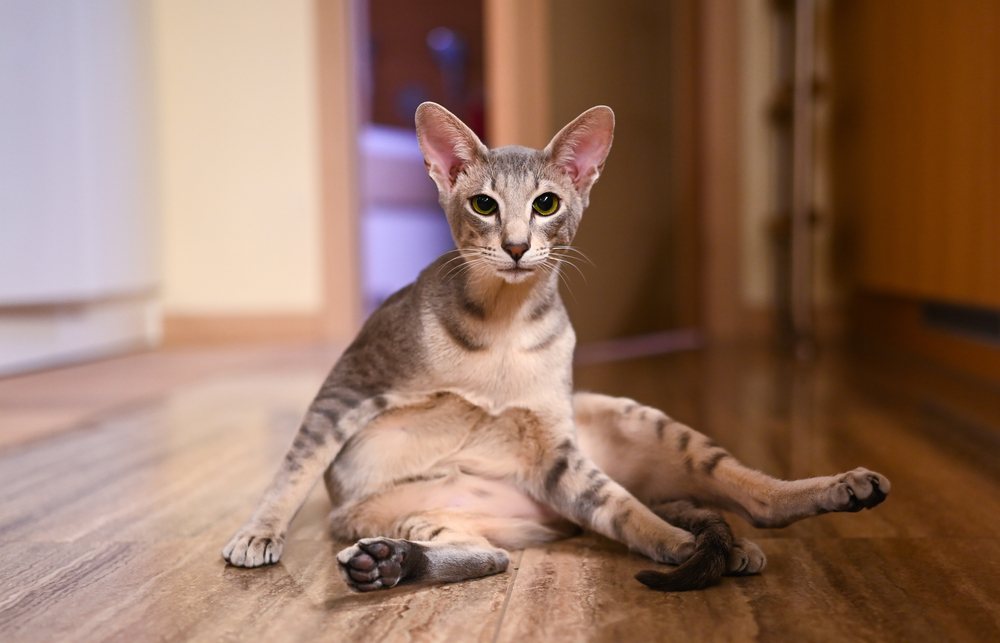
LIFESPAN: Up to 15 years
WEIGHT: 3 – 4kg
DISTINCTIVE FEATURES: These cats have really elegant features and not all of them are born hairless – they can be born with a soft coat that can either be permanent, or it could gradually fall out. They’re known for being one of the friendliest hairless cat breeds as they’re loyal, and owning one is often compared to owning a dog.
10. KOHANA
LIFESPAN: Up to 17 years
WEIGHT: 3 – 6kg
DISTINCTIVE FEATURES: In contrast to most hairless cats who have altered hair follicles, these cats have none at all. They’re known for being quite needy, so need lots of attention and they have a unique walk due to their back paws being much longer than their front ones.
A FEW HAIRLESS CAT FACTS
- They’re a good option if you’re allergic to cat hair, although they do still produce the protein that causes most cat allergies, Fel d1, which is produced in the cat’s saliva and skin when they’re grooming themselves, and hairless cats still groom, and still shed skin cells.
- As a lot of hairless cats are indoor cats, there’s less chance they’ll get lost, hurt in an accident or pick up diseases.
- They don’t need brushing, and they also don’t have a problem with hairballs.
- Their bodies have to work a bit harder to keep them warm, so they may have a higher metabolism, which means they may need more food.
- They’re prone to sunburn so may need a vet-approved sunscreen.
- Their ears may need regular cleaning as lack of hair means their ears collect dirt more easily.
- They may struggle to regulate their body temperature.
- Hairless cats can still get fleas!
Cats have always fascinated us and been the subject of many a myth, but there’s something even more mystical about a hairless cat. As a nation of animal lovers, we adore our cats and will do anything to keep them safe and happy, from playing them music, to dressing them up. And while we can’t predict the future, we can put things in place, things such as cat insurance, so that if the unexpected were to happen, we have the peace of mind of knowing we have back-up in place. Take a look at the website, or give us a call for a free, no-strings quote.
All content provided on this blog is for informational purposes only. We make no representations as to the accuracy or completeness of any information on this site or found by following any link on this site. We will not be liable for any errors or omissions in this information nor for the availability of this information. We will not be liable for any loss, injury, or damage arising from the display or use of this information. This policy is subject to change at any time.
We offer a variety of cover levels, so please check the policy cover suits your needs before purchasing. For your protection, please ensure you read the Insurance Product Information Document (IPID) and policy wording, for information on policy exclusions and limitations.