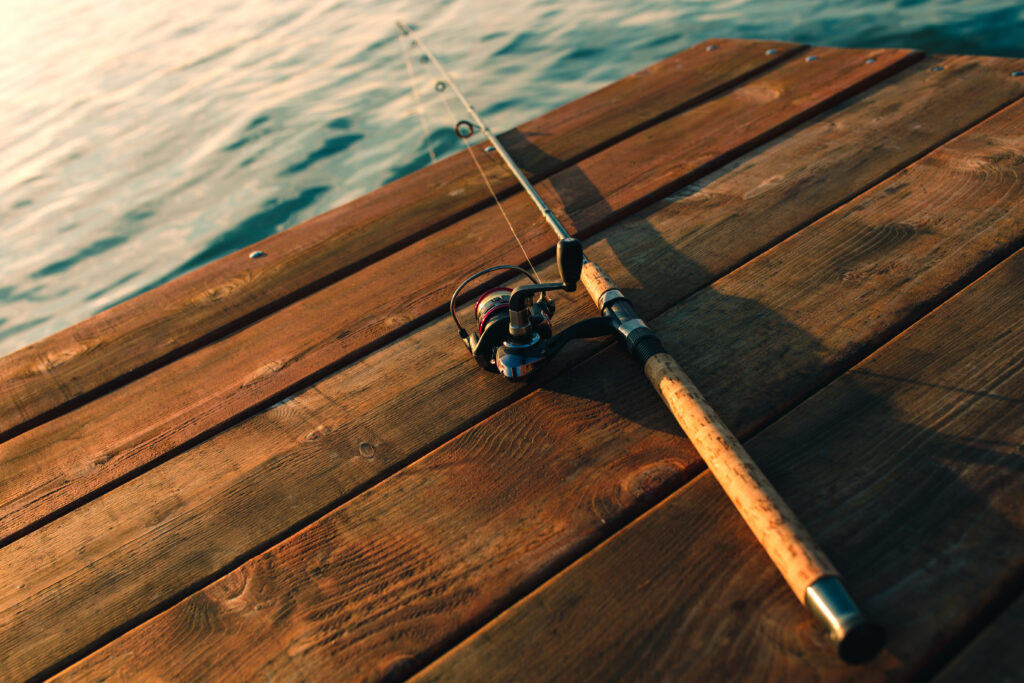
Living in the UK, we’re surrounded by the sea – five of them to be exact – the North Sea, the Irish Sea, the English Channel, the Celtic Sea and the Atlantic, and we also have roughly 8,000 miles of coastline to play with. There’s such a variety of geographical features; from rocky cliffs to sandy beaches, no two bits of coastline are the same.
All of these different marine environments mean that we’ve also got some of the best sea fishing opportunities around, whether that’s from a boat, a pier or a beach, with a huge variety of fish, so it’s no surprise that it’s so popular. You never know what’s going to come your way; from cod and mackerel, to bass, flounder, plaice and dogfish.
We’ve talked before about the mental health benefits of fishing but being by the sea takes this to another level. We know it can be quite daunting if you’re new to sea fishing, so we’ve put together a brief guide for beginners.
WHEN TO GO
Spring – Flatfish and mackerel
Summer – Bass, shark, rays
Autumn – Cod and whiting
Winter – Beach fishing
Timing is important when fishing, and it helps to look into which season is best for which fish – each season offers a different fishing experience. It’s worth chatting to local anglers for some insider info.

WHERE TO GO
There are some great sea fishing spots around the UK, in particular the coast around Scotland, Cardiff, the Thames Estuary; Brighton, Northern Ireland, Cornwall and North East England, but somewhere with a flat, sandy beach would be a great place to go as a beginner. Fish them on a small to medium-sized tide to start with, until you get used to the tidal pull and look out for gullies, banks of pebbles or small sandbanks as these are the types of places that fish search for food.
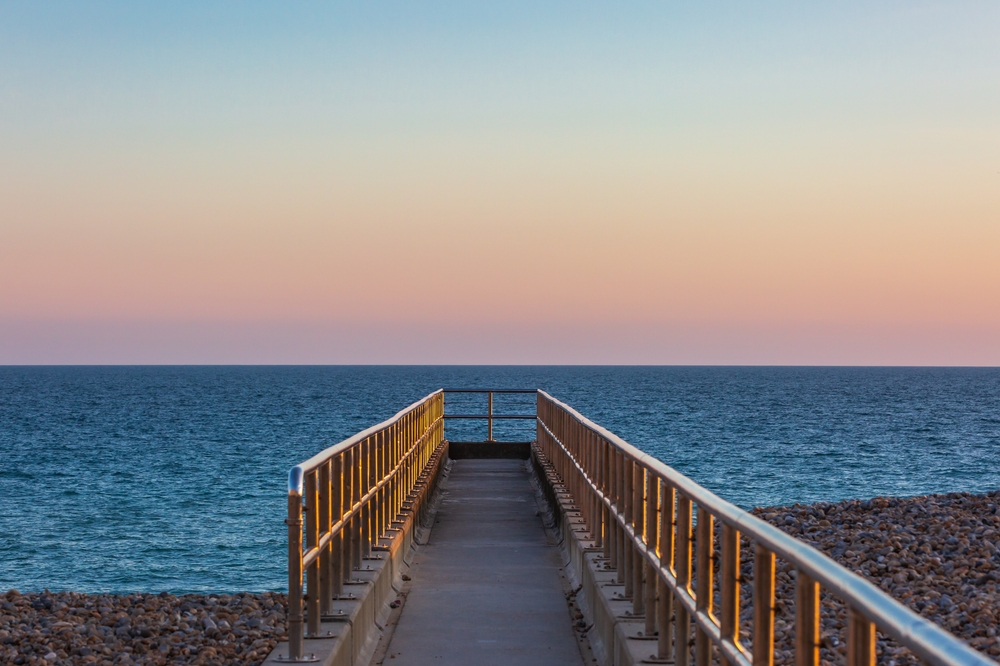
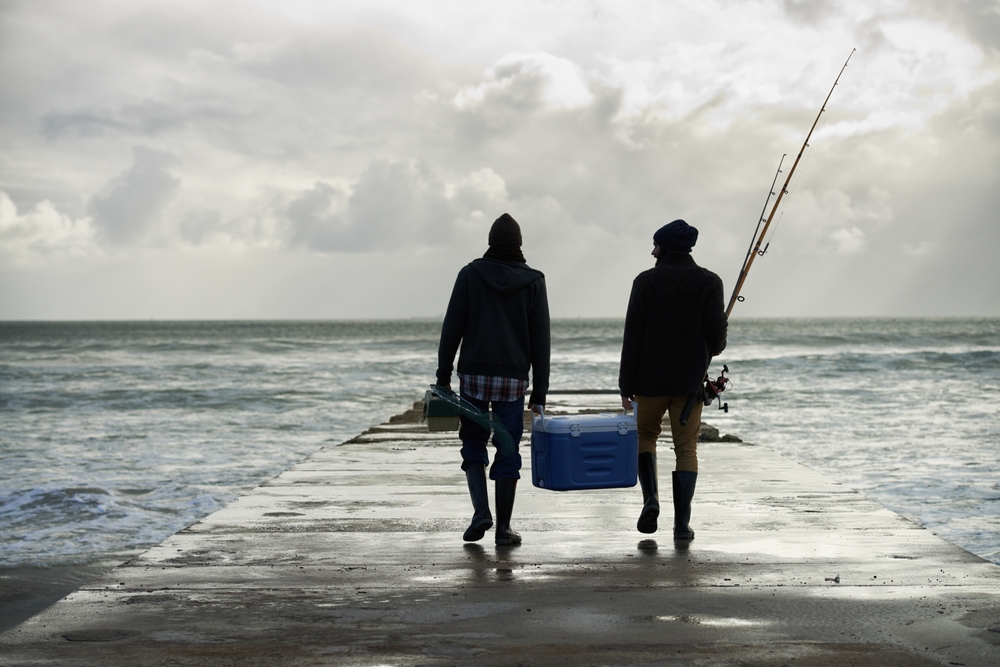
Fishing from a pier or breakwater will get you lots of fish; they always provide shelter for small marine life, so this is where the fish will go to eat. It also gives you access to deeper water. This is where local knowledge would be useful so if you haven’t been before, chat to other anglers who know the area, and keep an eye on the state of the sea.
Another alternative is to go on a chartered fishing boat.
WHAT ABOUT TIDES?
Any sea can be unpredictable, so it’s a good idea to familiarise yourself with tide tables for the area you’re fishing in. Knowing tide times and understanding how different tides can affect the way the fish behave can make a huge difference to your sea angling experience.
For example, fishing at high tide means you get fish coming closer to the shore, while fishing at low tide exposes deep channels with more fish in; low tide is also a good time to fish for flat fish. It often depends on the type of fish you’re hoping to catch; some fish prefer higher water, others prefer a turning tide. The moon can also affect how a fish behaves so again, some local knowledge is invaluable.
WHAT’S THE BEST WEATHER FOR SEA FISHING?
Fish are often more active in warm weather, as cold weather can slow their metabolism, although extreme heat can mean they’re more likely to head for deeper, cooler water. Light rain can be good as it breaks up the water surface and reduces visibility, rain can also wash food sources, such as insects, into the water which also brings the fish to the surface.
And when it comes to wind, remember the old saying; ‘when the wind is in the west, the fish bite the best. When the wind is in the east, the fishes bite the least.’ Although there is some actual science behind this, as south and west-facing winds tend to be warmer, which means more fish.
WHAT EQUIPMENT DO I NEED?
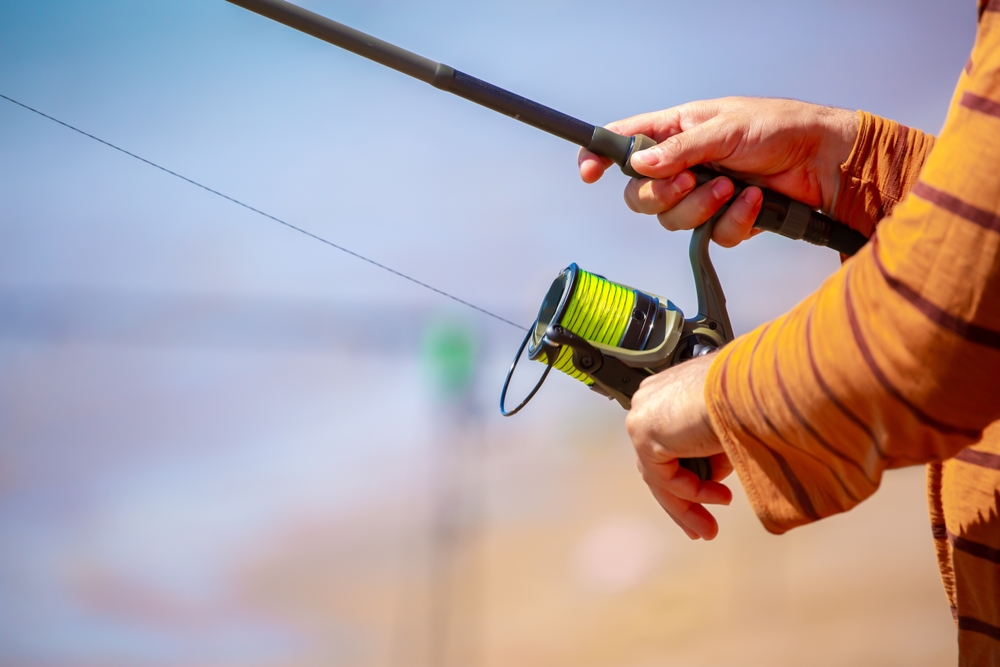
- A rod and reel.
- Tackle.
- Bait.
- A sharp knife.
- A bucket to keep your catch in, preferably with a lid.
- A cloth to clean your hands (and for holding spiky fish).
- A spare spool of line.
- Suitable clothing e.g. waterproofs etc.
- Some kind of shelter.
- First aid kit.
- A small disgorger for unhooking fish.
WHICH BAITS SHOULD I USE?
The best type of bait to use depends on the kind of fish you’re after, and there are plenty of options available.
Fish baits – Mackerel and squid.
Shellfish baits – Razor clams.
Worm baits – Ragworms and lugworms.
DO I NEED A LICENSE TO SEA FISH IN THE UK?
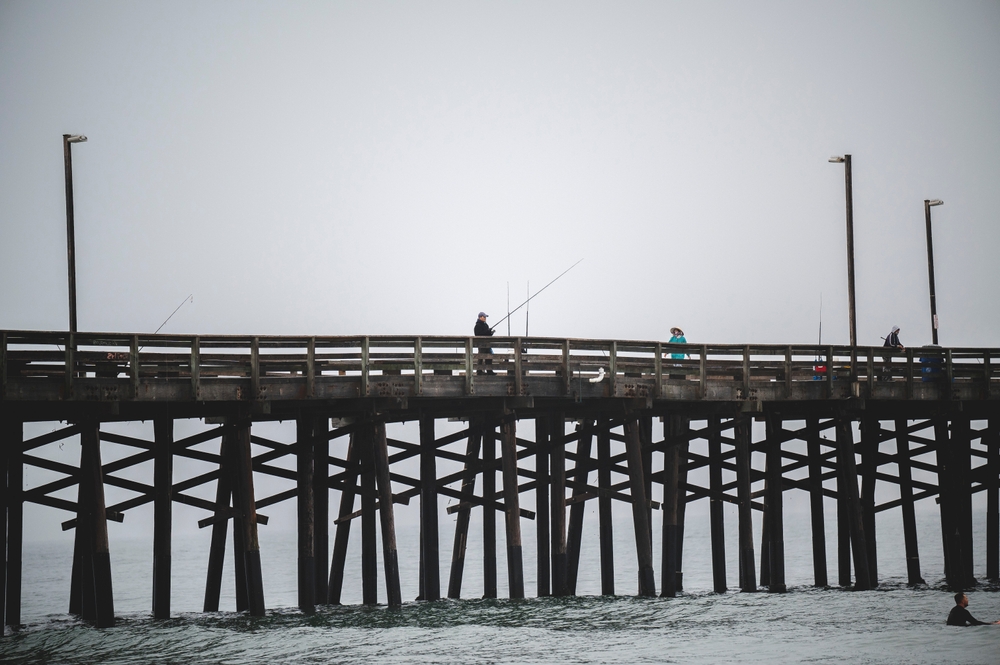
You don’t need a license to fish from the shore or from a private boat in the UK, however it’s not so clear cut when fishing from a sea estuary so it’s worth double-checking if you’re not sure. You may also need a day ticket or season pass if fishing from a pier.
ARE THERE ANY OTHER RULES THAT APPLY TO SEA FISHING?
It’s a good idea to familiarise yourself with local regulations before you head out, as there could be restrictions related to:
- Size – for certain species to protect younger fish.
- Amount you can catch – for certain species depending on the time of year.
- Equipment – certain types of kit may be restricted.
WHAT ABOUT CATCH AND RELEASE?
Conservation is key when fishing and catch and release plays a huge role in this. This is when anglers release the fish back into the water after they catch them; this is to protect the fish populations and support the delicate marine ecosystems. The aim is to reduce any stress on the fish so, for example, being careful how you handle them, using barbless hooks and reducing the fight times can all help.
HOW DO I FIND OUT MORE?
It might help to join a fishing club as then you can share local knowledge and resources; you could ask in your local fishing shop about local clubs or look online, there are plenty or resources out there, including:
The Angling Trust also runs several ‘Get Fishing’ events in England where you can find out how to catch a fish, what fishing tackle to use and where to go fishing near to you.
Fishing off the UK coastline can be such a rewarding thing to do; no two days/hours/locations are the same when you’re next to the sea and even with the best planning/bait/equipment you never really know what your next bite is going to be. It’s something you can do outside in the fresh air, and something you can do with the family.
Whatever kind of fishing you do, chances are you’ll spend a fair bit on your equipment and however careful you are nature can be unpredictable, so it would be good to know you have something in place should the unexpected happen. Our fishing insurance comes with three policy types that cover you for everyday circumstances, you can then tweak them with a choice of optional benefits. Give us a call, or visit the website and get a free, no-strings quote today.
This blog is in no way sponsored, endorsed, administered by or affiliated with any brands or external websites mentioned in this content.
All content provided on this blog is for informational purposes only. We make no representations as to the accuracy or completeness of any information on this site or found by following any link on this site. We will not be liable for any errors or omissions in this information nor for the availability of this information. We will not be liable for any loss, injury, or damage arising from the display or use of this information. This policy is subject to change at any time.
We offer a variety of cover levels, so please check the policy cover suits your needs before purchasing. For your protection, please ensure you read the Insurance Product Information Document (IPID) and policy wording, for information on policy exclusions and limitations.