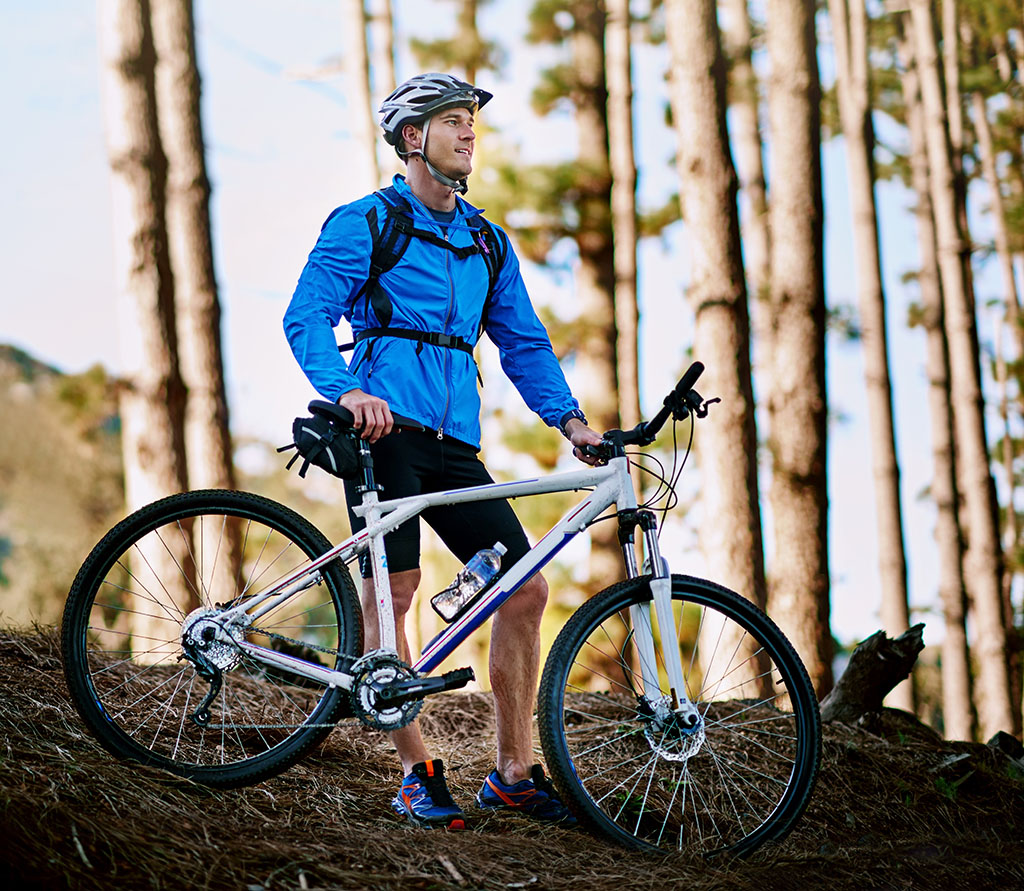
As with any hobby, the more you get into it, they more ‘gear’ you seem to acquire and cycling is no exception.
Fresh analysis from The Insurance Emporium reveals that cyclists are increasingly protecting not just their bikes but thousands of pounds’ worth of kit, including gadgets and accessories.
This growing investment reflects a wider resurgence in cycling which peaked during the pandemic. The Bicycle Association (BA) reported that the cycling market showed a 5% year-on-year growth in 2025, driven in part by a revival in mainstream recreational and family cycling.
This trend is echoed in the National Travel Survey (NTS), which found that leisure was the most common reason for cycling trips, accounting for 41% of all journeys in 2024.
Cycling Is Becoming a High-Investment Hobby
From weekday commuting to weekend rides, it’s easy to see why so many people get hooked on cycling; alongside its physical health benefits, it’s also widely associated with mental wellbeing, helping riders to:
- Feel mentally sharper.
- Switch off from day-today pressure.
- Manage stress and anxiety.
- Boost overall happiness.
However, what was once seen as a relatively low-cost hobby is increasingly becoming a significant financial commitment.
Reluctant to invest too much upfront. newcomers to the sport might start off with the basics. But it won’t take long before upgrades begin; including getting a lighter frame, smart lights and performance-enhancing accessories, and before long, what started as a simple set-up can evolve into a substantial set-up.
Another factor driving increased spending is the growing popularity of electric bikes – in particular, higher value models such as e-MTBs (electric mountain bikes).
These often come with a higher up-front cost and could have more expensive maintenance costs due to their electrical components. While they can make cycling more accessible there are pros and cons to owning an e-bike.
What Does the Average Cyclist Actually Carry?
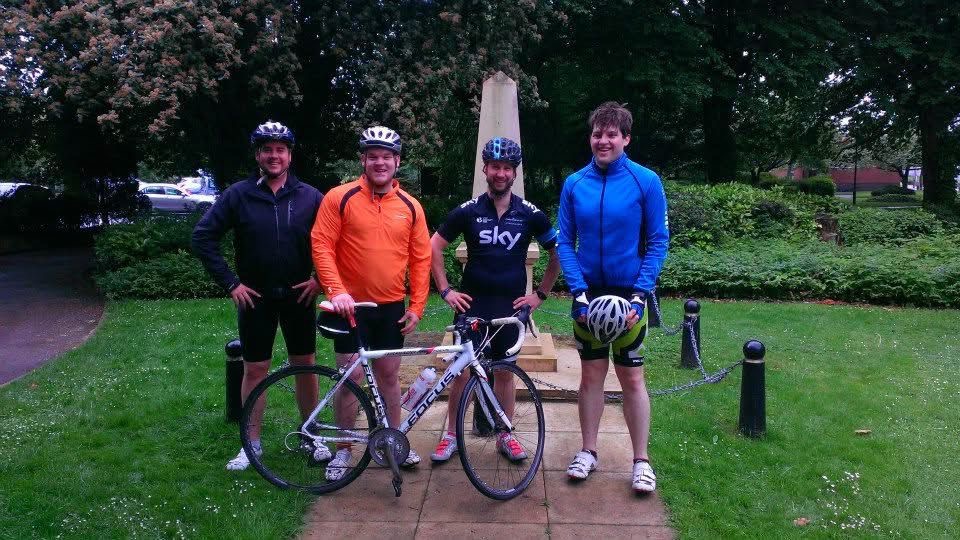
What goes into your cycling kit can vary for several reasons – perhaps you’re a commuter that simply uses a bike for transport; a tech enthusiast that needs all the latest gadgets, or maybe you’re into bikepacking, combining multi-day exploration with minimal gear to become self-sufficient.
We spoke with a few bike enthusiasts to find out more about their bike set-up to get a gauge on what goes into the average bike kit set-up, here’s what they had to say.
Jamie from York commented on his bike set-up: “I built my bike from a Chinese carbon frame and other components I had or bought. Tech wise I take my phone and a bike computer (Wahoo ELEMNT). I know a good few that will ride with cameras in case of a crash.
I pretty much always ride with lights as well (Lezyne micro drive 800 and strip drive 400). Bib shorts/tights are an absolute must and some overshoes if it’s cold. Then various layers on top depending on the weather. I’d say cycling shoes and clip ins are a must if you’re planning on doing a lot of cycling.
I’ll also take a saddle bag with bike multi-tool inner tube, CO2 cannister for tube inflation. Various carbs depending on the ride length, from bananas through to energy gels/bars, gummy sweets and an electrolyte drink.”
Bob in York noted: “I take a bike packing bag on the bike. It straps under the seat and extends to 13L for longer trips. I have all sorts in there, tools, inner tubes, pump, waterproof jacket, sweets. I’ve even got one of those foil blankets in there for when it really goes wrong!
I tend to travel a bit lighter in the summer with just a small saddle bag that has a pump, inner tube and multitool. Most people I know use Garmin devices to navigate and record – I just use Strava on my phone.”
The Average Bike and Kit Costs Breakdown
Bike and tech
| Item | Typical Cost |
| Bike (depending on type and specification) | Entry level/commuter: £300 – £1,000 Mid-range / enthusiast: £1,000 – £3,000 High-end / performance: £3,000 – £10,000 |
| Smartphone | £500–£1,000 |
| GPS bike computer | £150–£500 |
| Smart lights | £30–£150 |
Clothing and accessories
| Item | Typical Cost |
| Cycling shoes | £80–£250 |
| Bib shorts/tights | £70–£200 |
| Waterproof jacket | £70–£200 |
| Helmet | £50–£250 |
Ride essentials
| Item | Typical Cost |
| Multi-tool | £15–£50 |
| Pump/CO2 kit | £15–£60 |
| Saddle bag | £15–£80 |
| Nutrition/gels | £5–£15 per ride |
Costs vary depending on bike type and the kind of activity you’re doing, however, it’s easy to see how costs can creep into the region of thousands of pounds*.
The Rise of the Competitive Cyclist
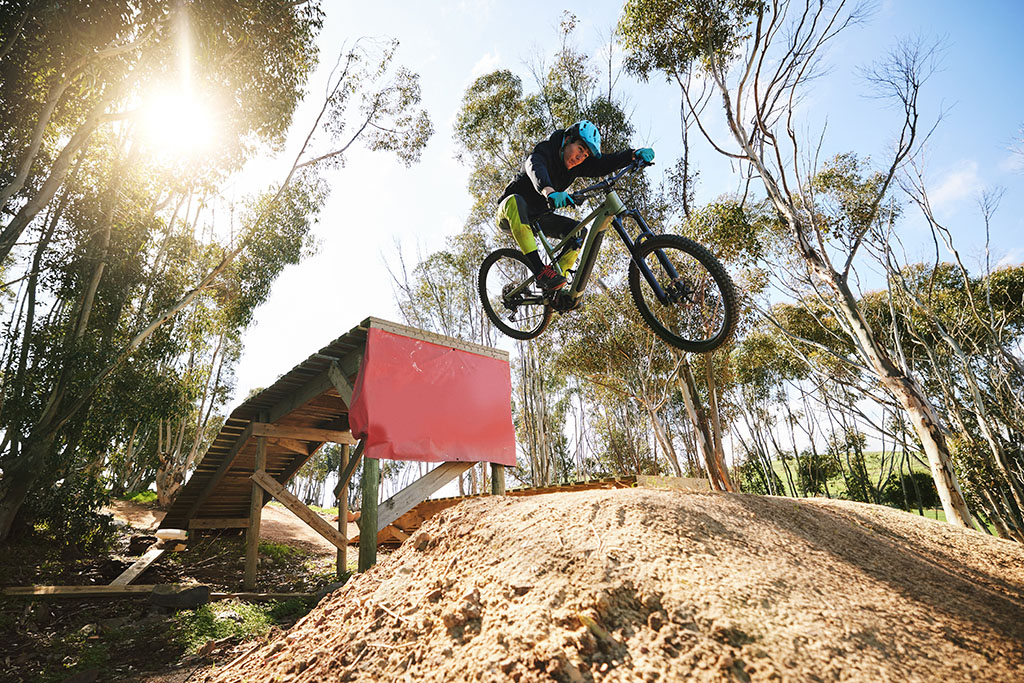
Internal data from The Insurance Emporium suggests that cycling is becoming more than just a hobby, with almost 1 in 12 policyholders selecting the Competitive Use optional benefit**.
While major events like the Tour de France may spring to mind, competitive cycling takes many forms at an amateur level. Cyclists today are increasingly taking part in a wide range of cycling events, including:
- Road cycling races.
- Downhill mountain biking.
- Track cycling.
- Hill climb cycling.
- Off-road races.
The increased appetite for competitions highlights how cycling is evolving. For some cyclists, it’s not just a leisure activity, but a structured and performance driven pursuit.
The Insurance Emporium’s cycle insurance offers three levels of cover – standard benefits include New for Old replacement, Replacement Hire, Bicycle Kit and more. Customers can insure up to six bicycles with a total value of £50,000 (max sum insured £10,000 per bicycle), with the options to further tailor your cover with four optional benefits to choose from. Take a look at the website today for a quick and easy quote.
*Cost estimates based on typical UK retail pricing for 2026.
**Data represented is from The Insurance Emporium’s bicycle policies between 01/07/2024 to 30/06/2025
This blog is in no way sponsored, endorsed, administered by or affiliated with any brands or external websites mentioned in this content.
All content provided on this blog is for informational purposes only. We make no representations as to the accuracy or completeness of any information on this site or found by following any link on this site. We will not be liable for any errors or omissions in this information nor for the availability of this information. We will not be liable for any loss, injury, or damage arising from the display or use of this information. This policy is subject to change at any time.
We offer a variety of cover levels, so please check the policy cover suits your needs before purchasing. For your protection, please ensure you read the Insurance Product Information Document (IPID) and policy wording, for information on policy exclusions and limitations.