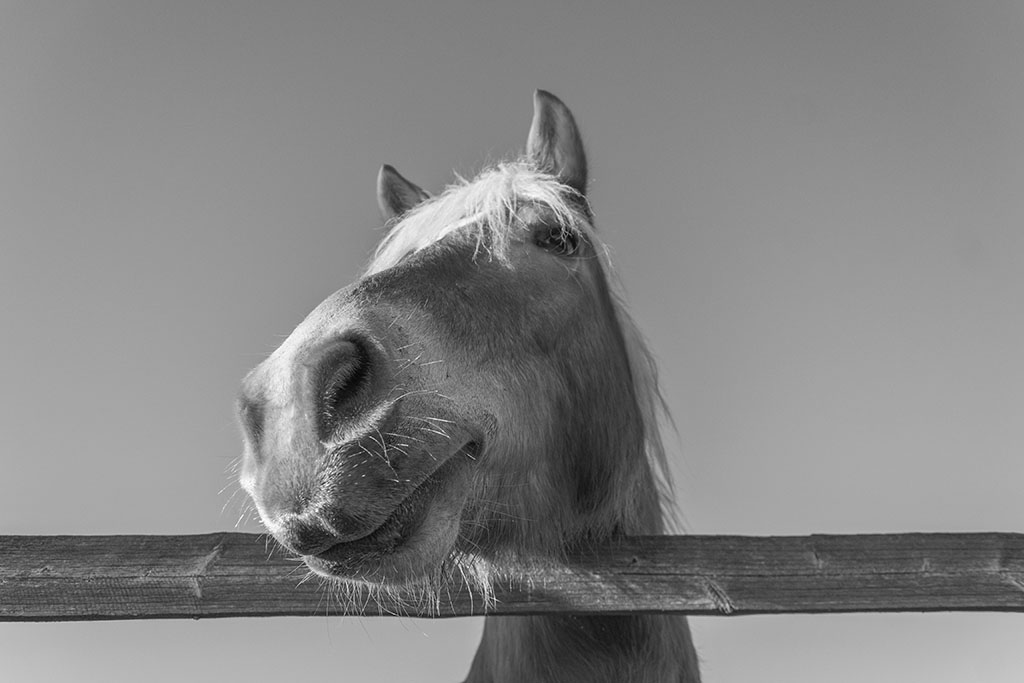
The latest in our blog series about what horses can eat, asks, ‘Can horses eat grapes?’
The short answer is yes; they can!
As a horse owner who only wants the best for your horse, it’s natural to want to know which foods your horse can and can’t eat. We like spoiling our horses and it’s nice for them to have the odd treat, but not if it’s likely to make them ill. Grapes are a delicious, sweet treat for us, so what’s nicer than to share that with our equine friends too?
We’re going to have a look at the nutritional benefits of feeding grapes to your horse, as well as addressing some concerns.
THE NUTRITIONAL BENEFITS OF GRAPES FOR HORSES
Grapes are actually mostly made up of water – 82% in fact, although it would take a lot of grapes to keep a horse sufficiently hydrated; the average horse drinks approximately 25 – 55 litres of water a day, depending on their diet and level of exercise, as well as the weather.
But grapes do have some nutritional benefit, such as:
- Vitamin A – This maintains eye and skin health and helps to support the immune system.
- Vitamin C – This helps support the immune system, connective tissues health and overall wellbeing.
- Vitamin B6 – This is essential for supporting the metabolism, helping muscle growth and repair and regulating hormones.
- Potassium – This is important for muscle function and hydration, particularly so when you consider how big horses are, and how strenuous their physical activity can be.
- Dietary Fibre – This supports gut health, which could help prevent digestive issues. It also helps with temperature regulation and meets the physical need to chew – chewing stimulates saliva production which also helps maintain a healthy gut.
- Magnesium – This supports bone health, nerve function and the metabolism.
PRECAUTIONS TO TAKE WHEN FEEDING HORSES GRAPES
Any change in a horse’s diet could cause digestive issues such as colic or diarrhoea so anything new should be introduced gradually. Choking can be a common concern when giving something the size of a grape to a horse, so it’s a good idea to chop them in half, or even quarters, particularly when giving them to smaller horses.
Grapes are very sweet, and that could be a problem for horses who are at risk of laminitis, are insulin resistant, have weight problems or who have other conditions that require a low-sugar diet. For this reason, horses shouldn’t be given grape products, such as grape juice, raisins etc.
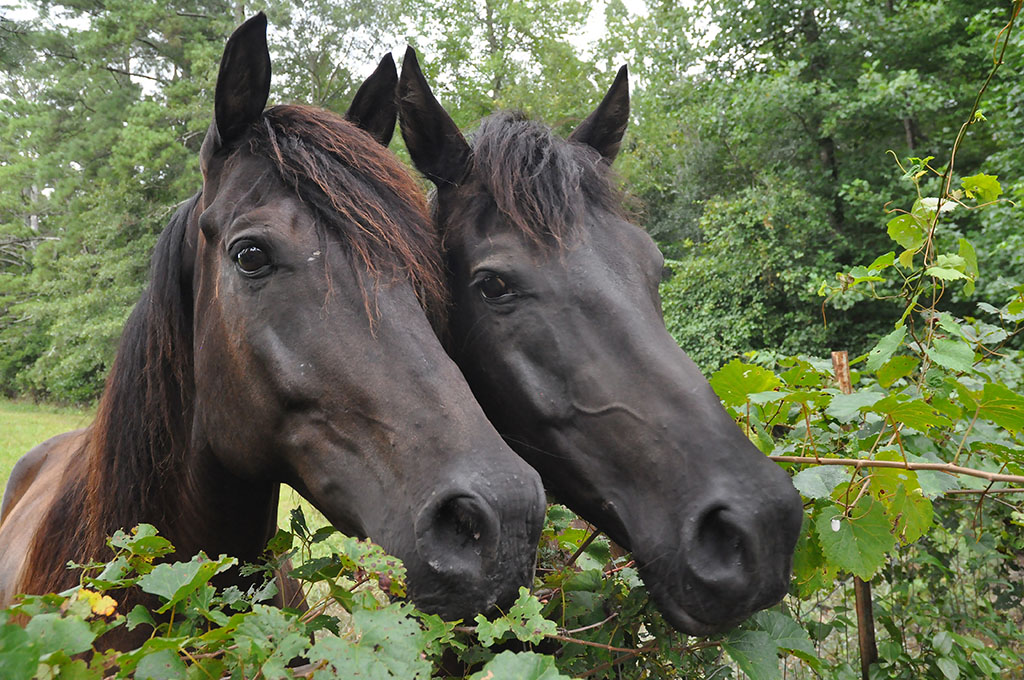
CAN HORSES EAT SEEDLESS GRAPES?
Grape seeds and skins aren’t a problem for horses, but regardless of whether they have seeds or not, it’s still safer to chop grapes up to reduce the risk of choking.
COMMON MYTHS
“Grapes are toxic to horses.”
No, grapes aren’t toxic to horses. There have been claims that in very rare cases they can cause kidney issues, but there’s no medical evidence of this. As with any new food, always monitor your horse and seek veterinary advice if you’re unsure.
“Grapes give horses colic”.
Any change in diet can cause digestive issues if it’s not introduced gradually and it’s always important to monitor your horse when introducing a new food, but grapes don’t directly cause colic.
“Green grapes are safer.”
The colour of the grape doesn’t make a difference, all varieties have similar nutritional qualities and sugar content, and all varieties still need washing and chopping up before being given to a horse.
HOW TO INTRODUCE GRAPES INTO A HORSE’S DIET
As with all treats, grapes should be given in moderation; introduce them gradually, starting with just a couple at first and then only give them once or twice a week. Chop them up into smaller pieces and only serve fresh, washed grapes, either by hand, or mixed in with their regular feed. Remember to keep an eye out for any negative reactions such as loss of appetite, lethargy, excessive drinking/urinating.
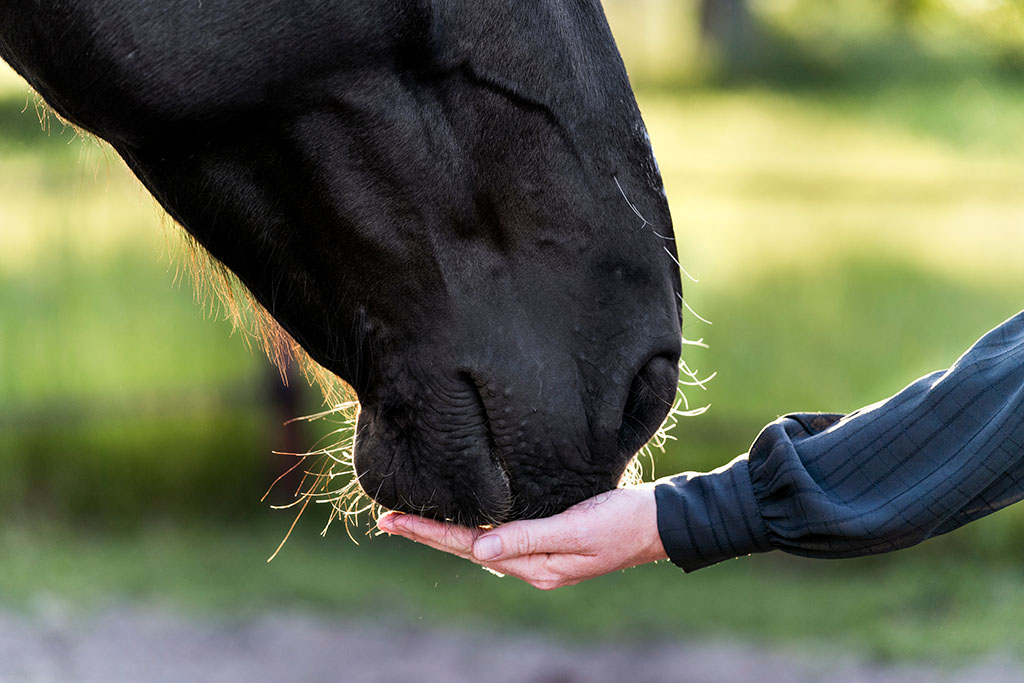
Feeding a horse grapes can be a great way to enrich their diet, as long as it’s in moderation. When feeding fruit to horses as a treat, it’s important to remember that treats should only be a small part of their diet. Their general health and wellbeing are the priority so it’s important to make sure they have a balanced diet that mainly consists of hay/grass/feed.
As horse owners, we’re all aware of how much veterinary treatment costs, so while we can’t protect our horses from everything, we can make sure that we have a horse insurance policy that’s tailored to your needs – as well as to your horse. Our policies come with Death, Theft or Straying as standard, but you get to pick ‘n’ mix the optional benefits that suit you. Read our ultimate guide to horse insurance to find out more, then take a look at our website, or give us a call, for a free, no-strings quote.
All content provided on this blog is for informational purposes only. We make no representations as to the accuracy or completeness of any information on this site or found by following any link on this site. We will not be liable for any errors or omissions in this information nor for the availability of this information. We will not be liable for any loss, injury, or damage arising from the display or use of this information. This policy is subject to change at any time.
We offer a variety of cover levels, so please check the policy cover suits your needs before purchasing. For your protection, please ensure you read the Insurance Product Information Document (IPID) and policy wording, for information on policy exclusions and limitations.