
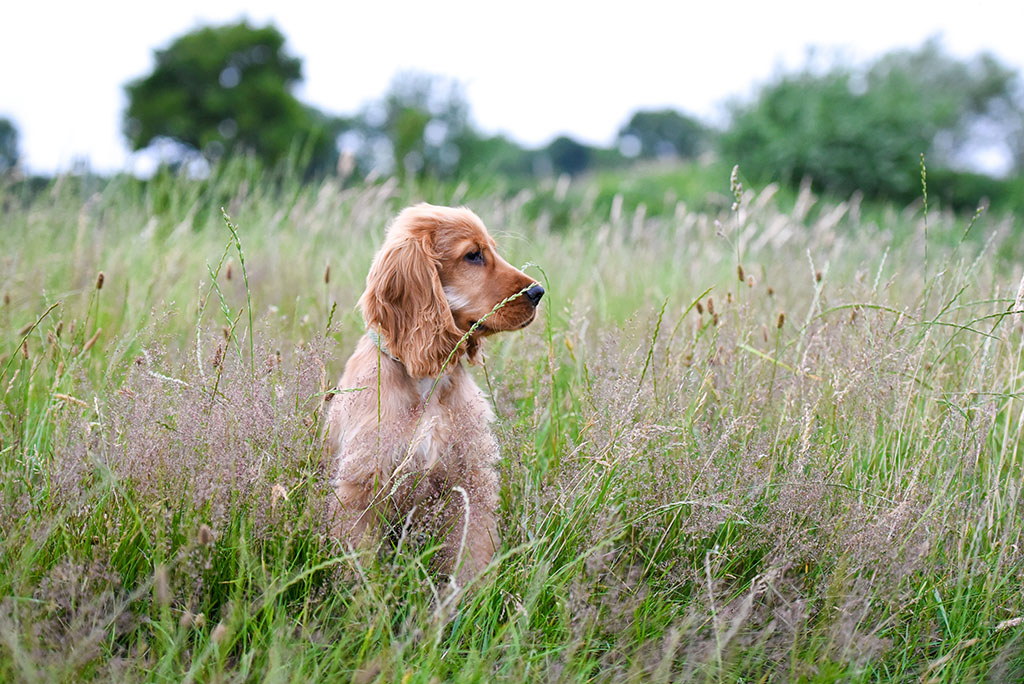
New data from The Insurance Emporium has revealed that grass seed related pet claims1 have more than doubled (106%) since 2023, with a further 45% increase recorded in 2026 compared to the same period last year. The findings highlight the growing importance of understanding this common, but potentially serious summer hazard for dogs and cats.
What are grass seeds?
Grass seeds can be found at the top of long grass stems, they are small, pointy seeds, and can often be found in meadows, woodlands and large open spaces during the summer months.
Due to their familiarity in recreational spaces, you may be wondering what risk they pose to our furry friends. However, despite their small appearance they can be quite hazardous to pets. Seeds can become logged onto your dog’s fur, burrowing down and even piercing their skin. Sometimes they can get stuck in their ears, nose, mouth, and their paws, leading to injuries that require veterinary intervention to remove them and medication to treat infections.
Dogs with longer coats may be particularly vulnerable because seeds can become trapped more easily.
Although grass seeds are more likely to affect dogs, they have been known to affect cats too so watch out for the signs too if you have an outdoor cat
Why have grass seed claims increased?
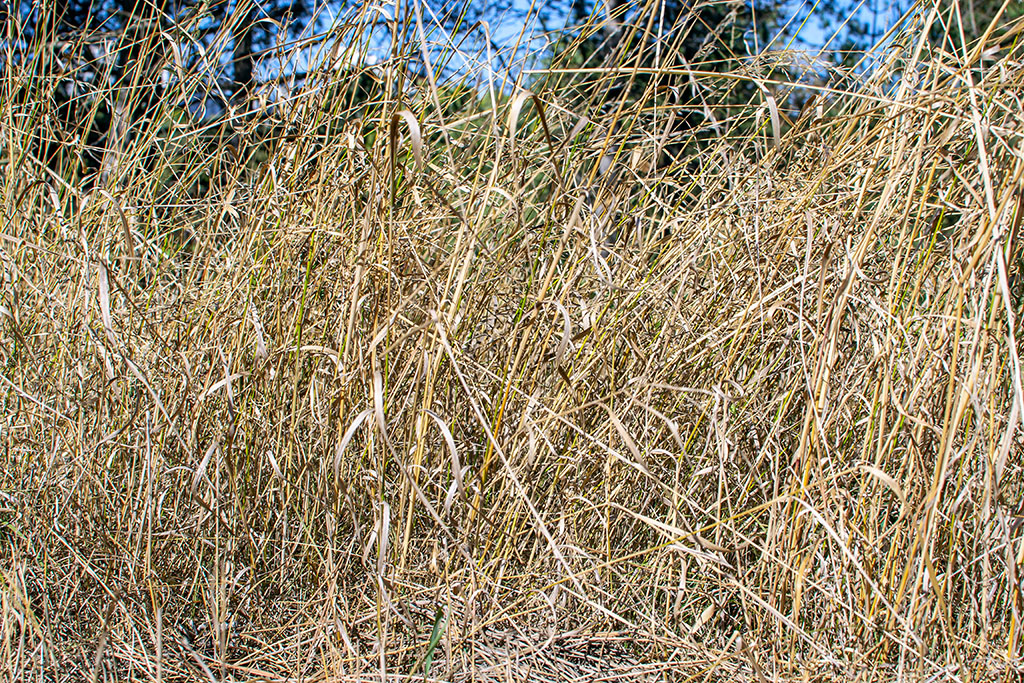
Our claims data shows that grass seed related claims have risen by 106% since 2023. While several factors may be contributing to this increase, including weather conditions, changing grass management practices and greater pet owner awareness, the figures suggest that grass seeds are becoming an increasingly important seasonal hazard.
Analysis of our claims data2 revealed the following breakdown in the average cost to treat grass seed injuries:
- Grass seed – external accident = £446
- Grass seed – feet = £324
- Grass seed removal – ears = £291
Stephanie Balmer, pet insurance expert at The Insurance Emporium, commented:
“While we’ve seen claims increase significantly this year, what’s particularly noteworthy is that claims have more than doubled since 2023. This suggests that grass seed injuries are becoming an increasingly common concern for pet owners. Of course, all dogs can be affected, yet owners of breeds with longer coats, such as spaniels and doodle crossbreeds, should be especially vigilant during the summer months.It’s not just grass seeds that could cause a trip to the vets either. Tall grass can also disguise holes in the ground and other trip hazards from dogs that love nothing more than to bound around in it.”
Which dog breeds are most affected?
Analysis of our claims data revealed the following dog breeds are most likely to claim:
| # | Breed | % |
| 1 | Cocker Spaniel | 35% |
| 2 | Cockapoo | 6% |
| 3 | Cockapoo Cross | 6% |
| 4 | Cavapoo Cross | 4% |
| 5 | Cocker Spaniel Cross | 3% |
| 6 | Spaniel (English Springer) | 2% |
| 7 | Spaniel (English Springer) Cross | 2% |
| 8 | Border Collie | 2% |
| 9 | Labradoodle Cross | 2% |
| 10 | Shih Tzu | 2% |
Our data also revealed that male pets accounted for 74% of claims versus only 26% of females.
Stephanie adds:
“All dogs are vulnerable to grass seeds; however, some breeds with longer, thicker and fluffy fur are higher risk as seed can easily become trapped. Therefore, it’s worth bearing in mind to keep your dog’s coat well-maintained during the peak season. After a walk, try to inspect their coat, ears, paws, and nose for signs of grass seeds.”
Real-life case study: Finn’s grass seed claim
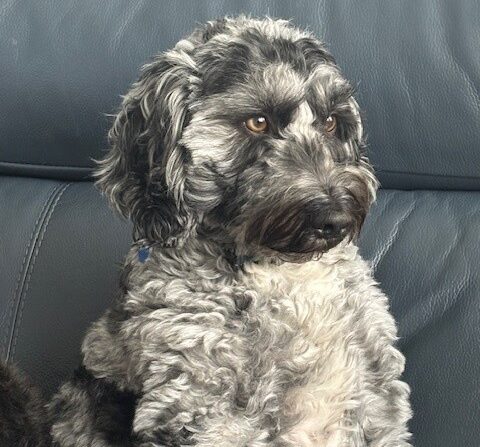
While grass seeds may seem harmless, they can cause significant discomfort and require veterinary treatment if they become lodged in a dog’s body. One of our customers Gary, owner of Finn a cockerpoo, experienced this first-hand when a grass seed led to an unexpected veterinary claim.
Gary commented: “Finn managed to get a couple of grass seeds into his ear. He was playing with another dog and rolling around in long grass, and it became quite obvious that it was there. He started crying and trying to shake it out and when he was walking his head was leaning to one side, so it was extremely uncomfortable as soon as he did it.
We had to take him to the vet. The vet tried to get it out then and there, but he just wouldn’t tolerate it because they were so deep. They decided to sedate him and then they came out no problem. Finn had to stay in their hospital for a little while and then we picked him up and he’s been alright ever since.”
Read Finn’s full story here: https://www.theinsuranceemporium.co.uk/blog/customer-testimonial-finn-dog-insurance/
Symptoms of a grass seed injury
Signs that your pet might have a grass seed related injury includes:
- Paws and skin – Excessive paw licking or chewing, limping or swelling, redness or discharge around the affected area.
- Ears – Head shaking or tilting of the head, ear scratching, your pet could also show signs that their ears are sensitive to touch. If left untreated you may notice discharge, or a foul smell coming from the ears which could indicate the ear is infected.
- Eyes – Your dog may be pawing at their face, their eyes may appear red, excessive tearing and squinting.
- Nose – Your pet could also inhale grass seeds which may cause frequent sneezing, discharge from the nose, pawing at the nose.
If you suspect your pet has a grass seed related injury it’s important you seek veterinary care and advice immediately rather than trying to deal with the problem at home.
How to reduce the risk of grass seed injuries
- Check your dog’s paws after every walk.
- Inspect ears, eyes and nose regularly during the summer.
- Brush longer coats frequently.
- Consider avoiding seed-heavy grassland during peak season.
- Keep fur trimmed around paws and ears where appropriate.
- Contact your vet promptly if symptoms appear.
Despite your best efforts, accidents can happen and grass seed injuries cannot always be prevented. Having pet insurance might give you cover should you need to make a claim for your pet. We have a range of pet policies including dog insurance, and senior dog insurance, cat insurance and senior cat insurance. Take a look and get a free, no-strings quote today!
This blog is in no way sponsored, endorsed, administered by or affiliated with any brands or external websites mentioned in this content.
All content provided on this blog is for informational purposes only. We make no representations as to the accuracy or completeness of any information on this site or found by following any link on this site. We will not be liable for any errors or omissions in this information nor for the availability of this information. We will not be liable for any loss, injury, or damage arising from the display or use of this information. This policy is subject to change at any time.
- Data referenced is from The Insurance Emporium’s pet policies between 01/01/2025 to 31/07/2025 compared with 01/01/2026 to 31/07/2026, and pet policies between 01/01/2023 to 31/07/2023 compared with 01/01/2026 to 31/07/2026. Claims referenced are grass seed – feet, grass seed removal – ears, and grass seed – external accident. ↩︎
- Data referenced is from The Insurance Emporium’s pet policies between 01/2025 to 31/07/2025 for breed specific claims that related to grass seed – feet, grass seed removal – ears, and grass seed – external accident. ↩︎