Owning a horse can be an amazing experience but it’s no secret that as well as being a big commitment, they’re not the cheapest pet to own. Once you take into account the initial cost of buying one, then throw in livery, feed and vets bills, then you’re looking at quite a hefty sum.
We thought we’d run through some of the main things you need to factor in if you’re thinking of buying a horse or pony.
INITIAL COST OF THE HORSE
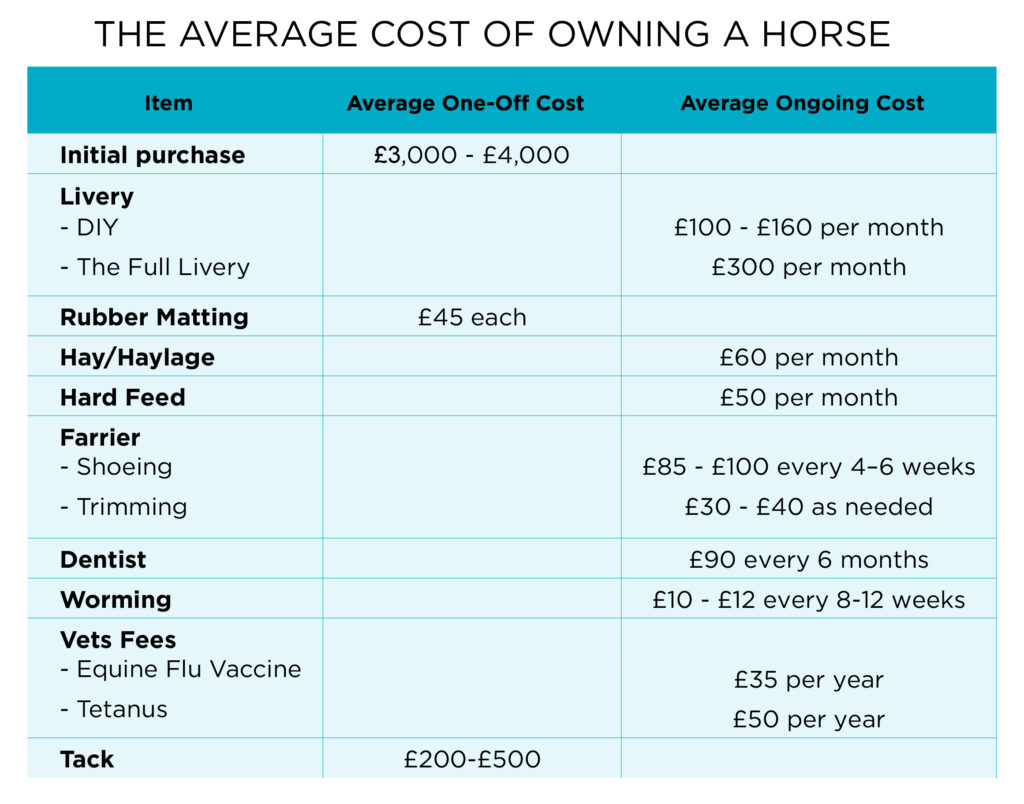
The initial purchase depends on a few factors, such as the breed, their age and their intended use, and it can range from £1,000 to £15,000, but the average cost is between £3,000 and £4,000.
ONGOING COSTS
Livery
Unless you’ve got your own land, then you’ll need somewhere for your horse to live, and you’ll have to pay livery costs. These depend on where you live and the kind of livery you want:
- DIY Stabled Livery – this is when your horse is kept in a field or stable but you’re responsible for their everyday care, mucking out, exercising etc and it can cost approximately £100 – £160 a month.
- Full Livery – this is when all your horse’s needs are catered for and can cost around £300 per month.
You could also check to see if any local farmers have fields available to rent, this can be much cheaper, but you will have to help with maintenance, muck removal etc.
Feed, Forage and Bedding
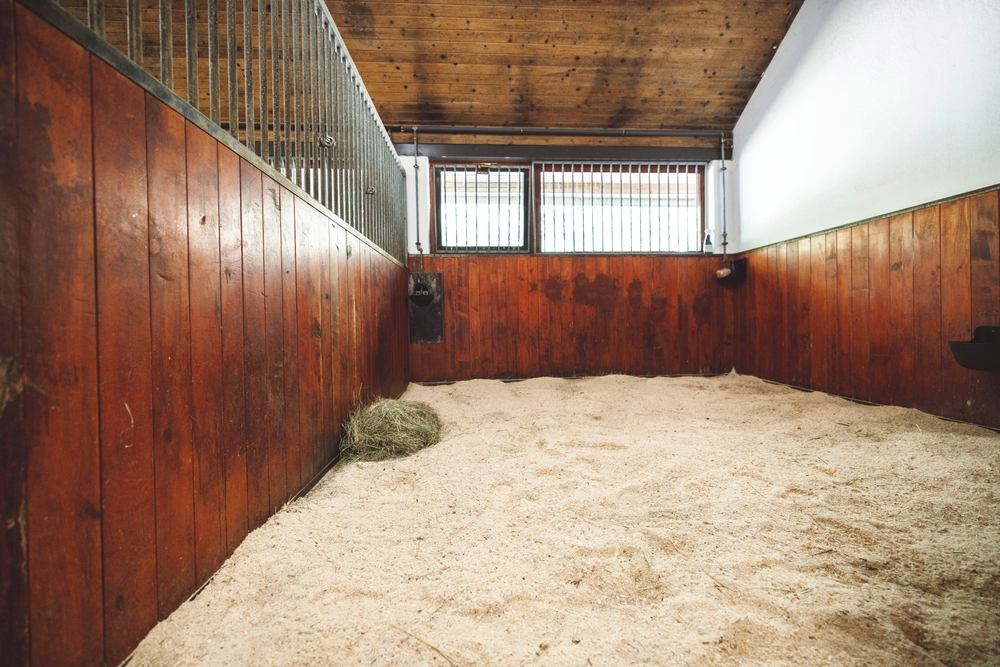
Unless your horse is on full livery then you need to take their ‘bed and breakfast’ into account. They’ll need straw for bedding, or rubber stable mats; straw is cheaper – around £5 a bale, but it can affect a horse’s chest, and some horses eat it. Rubber mats, combined with shavings, might cost more initially (approximately £45 each mat, and you’ll need about six for a space measuring 12ft by 12ft) but they could be more economical in the long run.
Hay/haylage can cost around £60 a month depending on how much your horse needs, and the time of year. Stabled horses will need it all year round, while horses that are kept turned out will only need it in the winter. Most horses will need hard feed too and this could be around £50 a month, depending on the size/type/activity level of your horse.
OTHER ONGOING COSTS
- Farrier – the average horse needs shoeing every four – six weeks, which can cost around £85 – £100. Trimming costs around £30 – £40.
- Dental Treatment – horses need regular check-ups, just like we do, preferably every six months. A full exam, under sedation, could cost around £90 and this will be more if there are any issues that need treatment.
- Worming – a targeted worming programme is the most cost-effective and horses need to be tested regularly so they can be treated for the specific type of worm they have; this could be every eight to 12 weeks and can cost £10 – £12 each.
- Vets Fees – apart from worming and dental check-ups, horses should also have an equine flu vaccine every year which costs around £35 (there might also be a call-out fee on top of this), and an annual tetanus jab which is around £50. It is also recommended that you consider having the horse assessed by a vet before you buy it, known as pre-purchase equine vetting, to help understand if the horse has any pre-existing health problems. *
- Horse Insurance – even healthy, well-looked after horses can become ill or injured and need veterinary treatment for a variety of common horse conditions; whether that’s a torn ligament, an ulcer or laminitis. Costs will vary depending on what’s wrong with your horse, where you live and which vet you use but vets fees can soon add up – as a rough idea, the average paid vets fees claim for colic, is £1,033**. There’s also the chance that your horse could damage someone else’s property or be stolen; there are lots of reasons to consider insurance. It could start from as little as **£2.58 per lunar month, but the cost will vary depending on the type of cover you choose, for example, vets fees are an optional benefit.
- Tack – this is the equipment needed to ride a horse; saddles, reins, bridle etc. You’ll also need rugs. Your horse may have had tack and equipment included in the sale. Otherwise it can cost between £200 and £800.
- Grooming tools and products.
- Physio.
- Riding Lessons and training.
- Transport – if you’re planning on transporting your horse, either for events or to go on holiday then you’re going to need to find a suitable trailer. You might want to have a look at horse trailer insurance too, which has Fire, Theft and Accidental Damage cover as standard, and a range of optional extras that include European Use.

TIPS FOR CUTTING COSTS
- Shared ownership.
- DIY livery and care.
- Bulk buying.
- Second hand equipment.
- Regular maintenance to prevent future health issues.
Owning a horse can be so rewarding, but it comes with a big financial commitment and the costs can soon add up. You might want to consider taking out a horse insurance policy for your horse to cover any unexpected events. Our horse insurance policies cover death, theft and straying, as standard, with additional optional benefits, including Saddlery and Tack, Public Liability and Personal Accident, and our ****veteran horse policies cover horses aged over 20 years. Give us a call or take a look at our website and get a free, no-strings quote.
*A 5-stage vet certificate is required for all horses valued at £5,000 or more when taking out a policy with The Insurance Emporium. The certificate must be no more than 2 months old. If the horse is unbroken, a 2-stage vet certificate may be supplied instead.
If the horse is valued at £10,000 or more, in addition to a 5-stage vet certificate, we also require x-rays of the forefeet, fetlocks and hocks, no more than 2 months old.
**Data provided is based on The Insurance Emporium’s own claims data from 1st July 2024 to 30th June 2025.
*** Lunar Monthly premium based on a horse under 20 years old valued at £500 on a Type of Use 1 policy, with the customer located in York and including an introductory discount.
However, if that horse was valued at £15,000, the policy would cost £73.98 per Lunar Month.
**** Different benefits apply to veteran horse insurance policies, please check the product information and policy wording.
All content provided on this blog is for informational purposes only. We make no representations as to the accuracy or completeness of any information on this site or found by following any link on this site. We will not be liable for any errors or omissions in this information nor for the availability of this information. We will not be liable for any loss, injury, or damage arising from the display or use of this information. This policy is subject to change at any time.
We offer a variety of cover levels, so please check the policy cover suits your needs before purchasing. For your protection, please ensure you read the Insurance Product Information Document (IPID) and policy wording, for information on policy exclusions and limitations.
This blog is in no way sponsored, endorsed, administered by or affiliated with any brands or external websites mentioned in this content.