Any sport has its own terminology, and angling isn’t any different, but fishing terms can be particularly confusing. It’s not just a case of throwing a line out with some bait on it, there are different techniques; and baits depending on the breed of fish, the type of water and the discipline you follow, for example, river fishing has different terms to sea fishing.
Angling has always been a popular hobby in the UK, after all, we’re never far away from water; whether it’s a river, a lake or a canal, not to mention over 11,000 miles of beautiful coastline, so no wonder we have so many amazing UK fishing destinations to choose from. Freshwater rod licences have increased by 16% in recent years, and apparently more people go fishing on a Saturday than go to a football match.
With this in mind, we thought we’d ‘tackle’ an A-Z of fishing terms for anyone new to the sport, or even not-so-new but who has always wondered what ‘jigging’ actually means, and whether being ‘skunked’ is a good thing or a bad thing.
So, let’s cast off!
A
ACTION – The flexibility of a rod. Rods have either fast or slow action. Fast action rods are stiffer and bend at the tip; slow action rods are more flexible.
ANGLER – Anyone who fishes, whether amateur or professional.
B
BAG LIMIT – The maximum number of fish an angler can catch per trip or day, as set by fishery rules or local regulations.
BAGGING UP – A good day where you’re catching lots of fish.
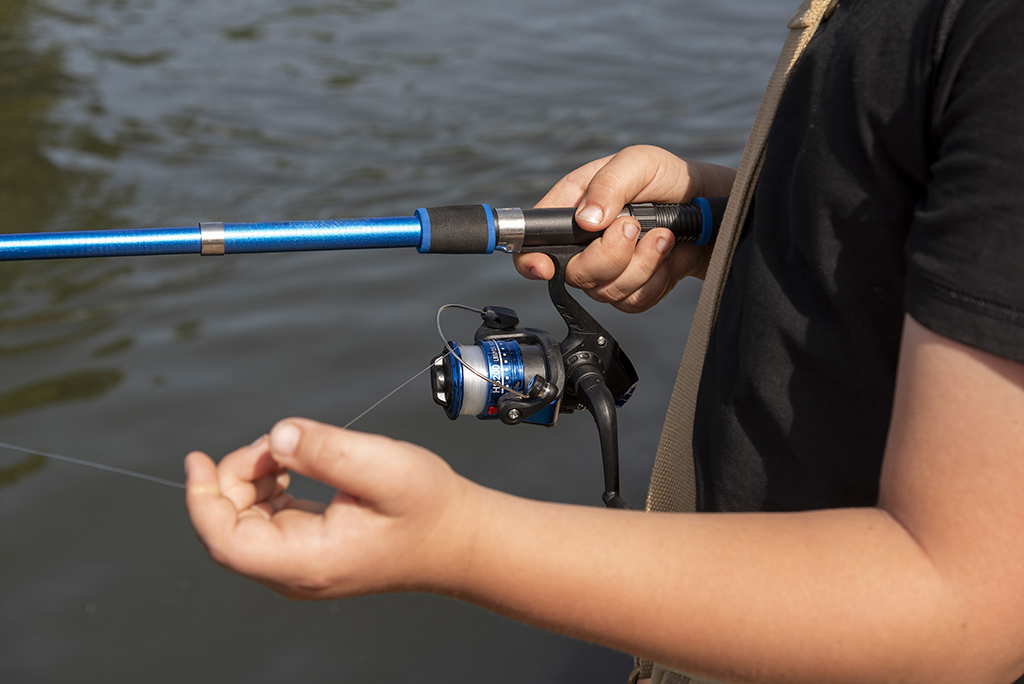
BAIL ARM – The part of a fixed-spool reel that directs the line.
BAIT – Anything placed on the hook to lure a fish. Common examples include worms, maggots and pieces of fish, while unusual fishing baits can include more unexpected options depending on the species being targeted.
BAIT BAND – A small elastic band used to attach boilies or pellets to a hair rig.
BAITING UP – Preparing a hook or rig with bait before casting.
BARBEL – A strong freshwater fish commonly found in fast-flowing rivers. Barbel are popular with anglers because they put up a powerful fight when hooked.
BEACHCASTER – A rod used when fishing from the shore.
BIG GAME FISHING – A type of fishing where a boat is chartered to catch large, powerful species such as tuna, marlin and, where permitted, certain species of shark.
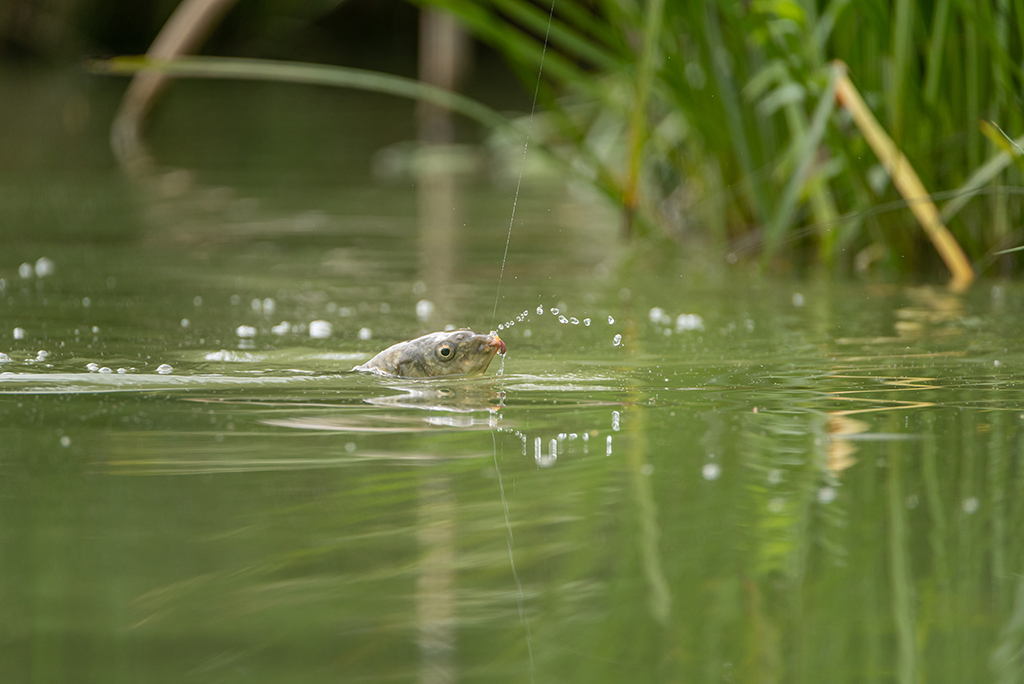
BITE – When a fish takes the bait.
BIVVY – A fishing shelter or tent designed for longer sessions beside the water.
BOILIE – Balls of shop-bought or homemade bait.
BOTTOM FEEDER – Fish that commonly feed on or near the bottom of a lake or river, such as barbel or bream.
BRACKISH – Fresh water containing some salt, e.g. tidal creeks; often home to both fresh and saltwater fish.
BRAIDED LINE (BRAID) – A type of fishing line made by weaving together several strands of synthetic fibre. It is very strong, has very little stretch and helps anglers feel even small bites.
BROLLY – An umbrella.
BUMPED OFF – Losing a fish from the hook.
BUTT – The end of the rod handle.
BUTT PAD – Padding on a belt that cushions the wearer from the rod’s butt.
BUZZER – An electronic alarm that alerts the angler to a bite.
C
CARP – One of the UK’s most popular freshwater fish. Carp are known for their size, strength and cautious feeding habits, making them a favourite target for many anglers.
CAST – Using a rod and reel to launch bait or a lure onto the water.
CASTING DISTANCE – The distance an angler is able to cast their bait or lure into the water.
CATCH AND RELEASE – Returning fish to the water after catching. When carried out using good fish-handling practices, it can help reduce the impact of angling on fish populations.
CHUB – A common freshwater fish found in UK rivers, popular with coarse anglers.
COARSE FISHING – Fishing for freshwater species other than salmon or trout.
COCKTAIL – Using more than one type of bait on the hook.
CREEL – A traditional wicker basket used for carrying freshly caught fish, particularly in salmon and trout fishing.
D
DACE – A species of fish.
DAP/DAPPING – Bouncing a fly gently on the surface of the water.
DEADBAITING – Using dead fish as bait to catch predatory species such as pike.
DRAG – The resistance created when a fish pulls the line.
DROP SHOT – A fishing method where the weight sits below the hook, allowing the lure to move naturally just above the bottom to attract fish.
E
END TACKLE – The hook and lead at the end of a fishing line.
F
FALSE CAST – Repeatedly casting the fly line backwards and forwards through the air without letting the fly land on the water.
FEATHER THE LINE – Slowing the spool with a finger after casting to prevent tangles.
FEEDER – A small cage or container filled with bait that releases food into the water to attract fish towards the hook.
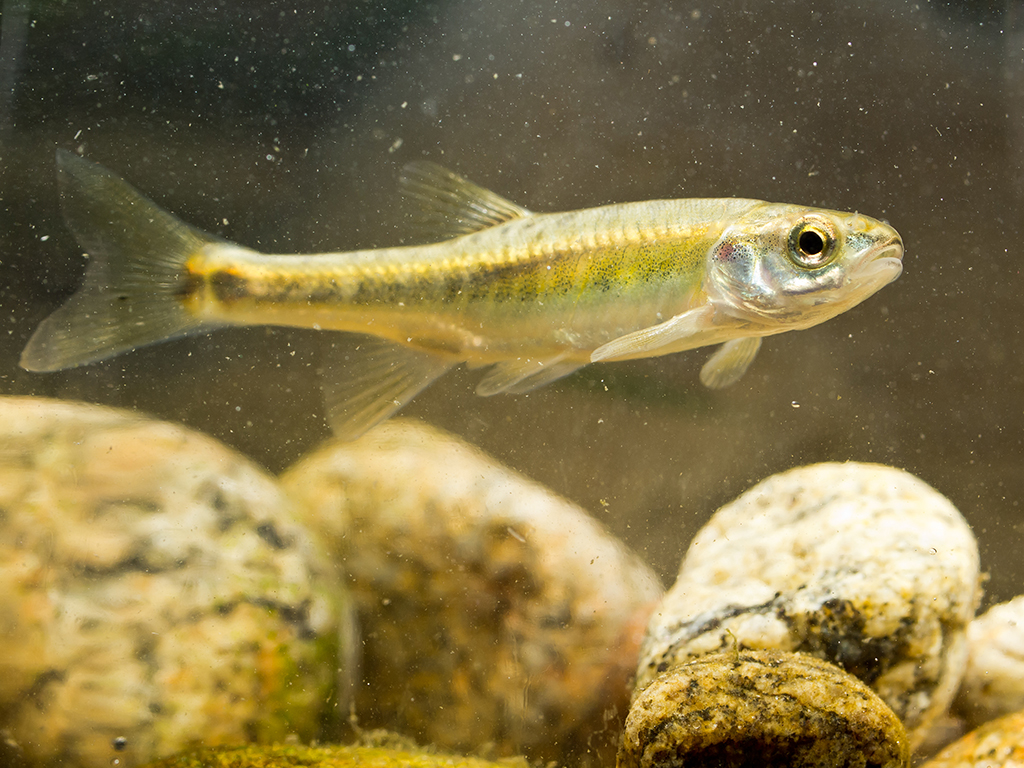
FINGERLING – A juvenile fish that has grown beyond the fry stage and is typically around the length of a finger.
FLOAT – A device that holds bait at a set depth.
FLOATER – Floating bait.
FLIES – Artificial insects made from feathers, fur, and threads to mimic fish prey.
FLY – Artificial bait designed to imitate insects.
FLY FISHING – A technique using lightweight artificial flies, typically for trout and salmon.
FRY – Newly hatched fish in the earliest stage of their life.
G
GAME FISH – Fish caught for sport, such as salmon and trout.
GRAYLING – A species of fish.
GROUNDBAIT – A mixture of ingredients thrown into the water to attract fish to the area where you are fishing.
H
HAIR RIG – A rig where the bait is attached using a thin line separate from the hook.
HOOK – A metal device attached to the line used to catch fish.
HOOKLINK – A short length of fishing line that connects the hook to the main fishing line or rig.
I
ICHTHYOLOGY – The study of fish.
INSHORE FISHING – Fishing from a boat close to shore.
J
JIGGING – Moving the rod up and down to mimic the motion of prey.
K
KEEP NET – A net used to temporarily hold caught fish in the water.
L
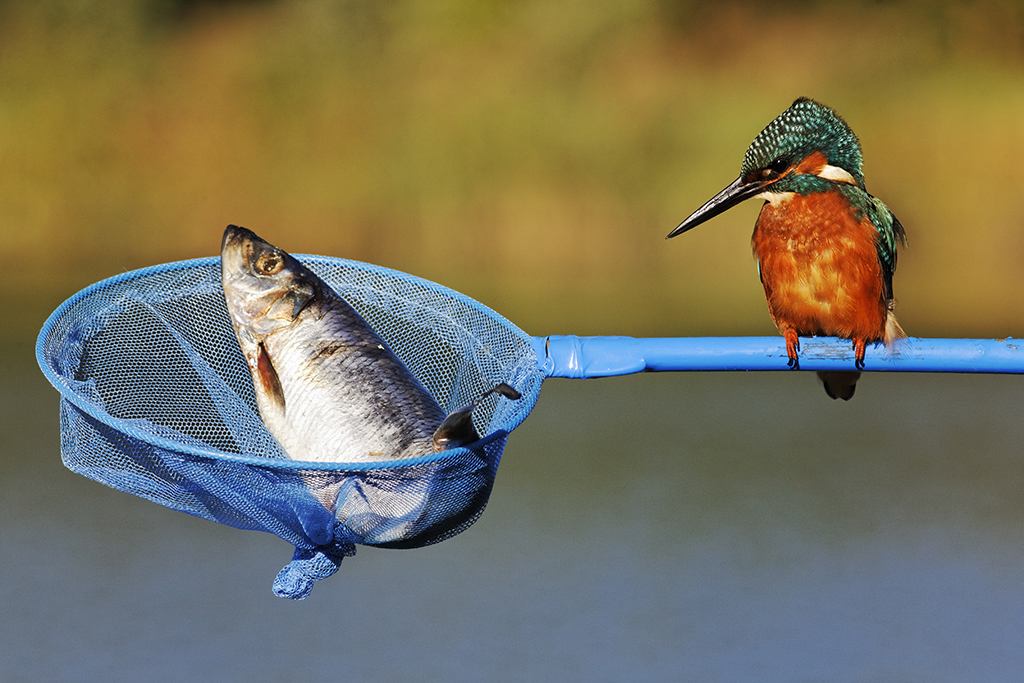
LANDING NET – A long-handled net used to bring fish ashore.
LEADER – A stronger or more durable length of fishing line attached between the main line and the hook or rig to provide extra protection.
LEDGER – A weight used to keep bait on the riverbed when fishing without a float.
LIFT BITE – When a fish takes the bait and the float rises.
LINE BITE – When a fish bumps into the line.
LINE CLIP – A clip on a fishing reel that holds the line in place so anglers can cast to the same distance each time.
LOOSEFEED – Small bait scattered to attract fish to an area.
LUNKER – A very large fish.
LURE – An artificial object designed to imitate prey and attract fish.
M
MATCH FISHING – Competitive coarse fishing to catch as many fish as possible within a set time.
MAIN LINE – The primary length of fishing line that runs from the reel to the rig or hook.
METHOD FEEDER – A type of feeder where bait is packed tightly around a flat weight, keeping the hook bait close to the food when it reaches the bottom.
MONOFILAMENT – A popular type of fishing line made from a single strand of nylon. It is flexible, affordable and suitable for many types of fishing.
N
NYMPH – An artificial fly designed to imitate the underwater immature stage of aquatic insects.
O
OLIVETTE – A type of fishing weight.
P
PEG – A marker defining an angler’s fishing position.
PELLETS – Small, compressed pieces of fish feed that are commonly used as bait to attract freshwater fish such as carp, bream and barbel.
PERCH – A popular UK freshwater fish recognised by its dark vertical stripes and spiny dorsal fin.
PIKE – A large predatory freshwater fish known for its sharp teeth and aggressive feeding behaviour.
PLAYING A FISH – Keeping tension on a hooked fish to tire it before landing.
PLUMB THE DEPTH – Measuring water depth using a weighted line.
POLE FISHING – Fishing with a rod and line without a reel.
Q
QUIVER TIP – A sensitive rod tip that bends to indicate a bite.
R
REEL – A device attached to a rod that holds and retrieves line.
RIG – The combination of fishing line, hook, weights and other tackle used to present bait or a lure to fish.
RISE – When a fish comes to the surface to take bait.
ROACH – A species of fish.
S
SALTER SPRING BALANCE – A tool used to weigh fish.
SEAT BOX – A storage box that doubles as a seat.
SHOAL – A group of fish.
SKUNKED – A day when you don’t catch anything.
SLACK TIDE – A calm period between tidal changes.
SNAG – A rocky or uneven riverbed that can catch tackle.
SPINNER – A spinning lure used to attract fish.
SPOOL – The part of a reel where the line is wound.
STRIKE – The action of quickly lifting the rod when a fish bites to set the hook securely in the fish’s mouth.
SWIVEL – A small metal connector that allows parts of the fishing line to rotate freely, helping to prevent the line from twisting.
T
TAGGING – Attaching an identification tag to a fish as part of scientific research or conservation programmes.
TACKLE – General fishing equipment.
TERMINAL TACKLE – The end components of a fishing line, e.g. hooks.
THE ONE THAT GOT AWAY – A fish that escaped after being hooked; often exaggerated in retelling.
TIGHT LINES – A phrase meaning “good luck” among anglers.
U
UNHOOKING MAT – A soft, padded mat placed on the ground to protect a fish while the hook is removed and before it is returned to the water.
UPTIDING – A sea-fishing technique where the bait is cast uptide so it settles naturally as the tide carries the line.
V
VERTEBRATE – An animal with a backbone, e.g. fish or mammals.
W
WADERS – Waterproof boots extending to the waist or chest.
WEED BED – An area of underwater plants where fish often feed, hide or shelter.
WEIGH SLING – A padded sling used to safely lift and weigh larger fish before returning them to the water.
Y
YEARLING – A fish that is one year old.
Z
ZANDER – A species of fish.
We’ve only just scratched the surface with these fishing terms, but we hope they’ll help you the next time you hit the banks.
In a world increasingly dominated by screens, more and more people are taking steps to connect with the outdoors and improve their mental health; you only have to look at the popularity of TV programmes such as ‘Mortimer and Whitehouse; Gone Fishing’ to see that. But as with any sport, there’s a lot of equipment involved, and this is where fishing insurance comes in; with three levels of cover, and a choice of optional benefits you get the peace of mind of knowing that you have a policy that’s tailored to your needs. Take a look at the website, or give us a call for a free, no-strings quote today.
All content provided on this blog is for informational purposes only. We make no representations as to the accuracy or completeness of any information on this site or found by following any link on this site. We will not be liable for any errors or omissions in this information nor for the availability of this information. We will not be liable for any loss, injury, or damage arising from the display or use of this information. This policy is subject to change at any time.
We offer a variety of cover levels, so please check the policy cover suits your needs before purchasing. For your protection, please ensure you read the Insurance Product Information Document (IPID) and policy wording, for information on policy exclusions and limitations.