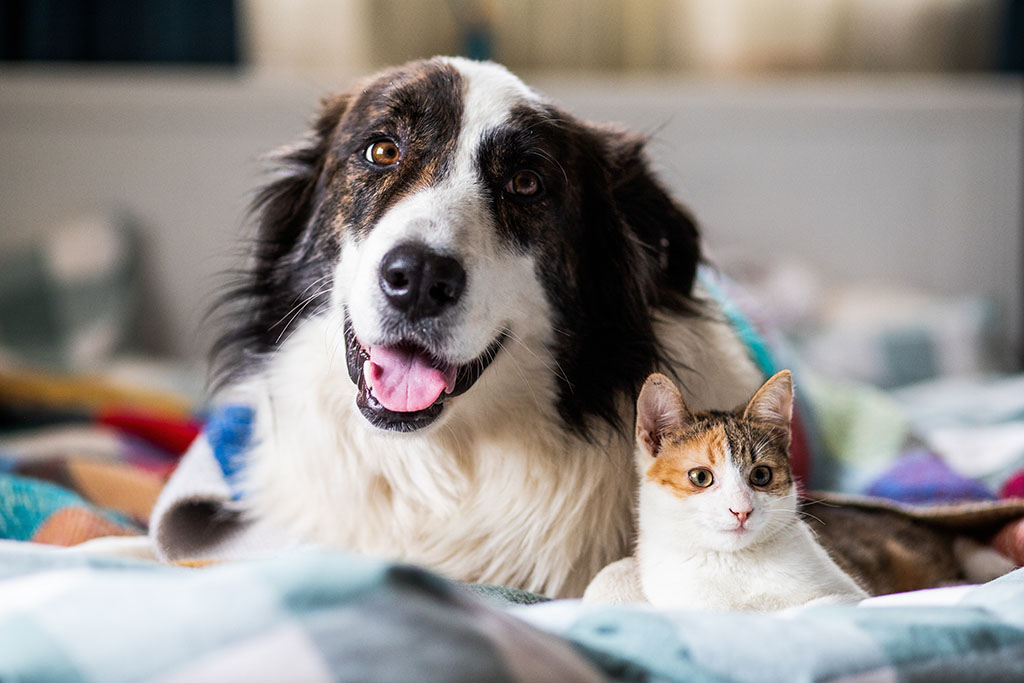
We’re all aware of the importance of gut health, and how vital it is to maintain healthy gut microbiomes; not only for our digestion, but also for our mental health and immune system. But maintaining a good gut bacterium is just as important for our pets; for example, studies show that 80% of a dog’s immune system is in the gut, so it makes sense to look after something that plays such a big role in our pets’ overall wellbeing.
With this in mind, we thought we’d take a look at some of the things we can do to improve our four-legged friend’s digestion, immunity and energy levels (although anyone who’s been on the receiving end of a particularly energetic zoomies session might not be so keen on this part!)
WHAT IS GUT MICROBIOME AND WHY IS IT IMPORTANT?
Gut microbiome is a mix of bacteria, fungi and microbes that live in the gut. They aid digestion, produce serotonin, protect the gut lining and support the immune system. When this microbiome is unbalanced, for example, when it hasn’t got enough of the good bacteria, or has too much of the bad bacteria, the gut doesn’t work how it should.
WHAT ARE THE SIGNS OF GUT IMBALANCE IN YOUR PET?
Persistent digestive issues could affect the absorption of nutrients and often indicate an imbalance within the gut. Here are some signs to look out for:
- Diarrhoea
- Constipation
- Excessive wind
- Bad breath
- Food sensitivities
- Unexplained weight loss
- Allergies
- Ear and skin infections
- Low energy
WHAT CAN AFFECT YOUR PETS’ MICROBIOME?
There are a few things that can affect gut health, including:
- Diet – A change in diet, such as switching pet food brands or trying new ingredients can affect their digestion, as can a highly processed diet, or a diet high in carbohydrates.
- Medication – For example, antibiotics can reduce the good bacteria, as well as the bad bacteria.
- Exposure to toxins – Some dogs eat anything (rotten food, cleaning products, furniture – to name a few…) and while cats tend to be a bit choosier, they like to chew plants and can also ingest topical toxins when grooming themselves.
- Age – Our pets naturally lose microbial diversity as they get older.
- Illness.
- Stress – Animals are sensitive to things such as changes in routine, travel, loud environments etc.
HOW CAN WE IMPROVE PET GUT HEALTH NATURALLY?
A BALANCED DIET
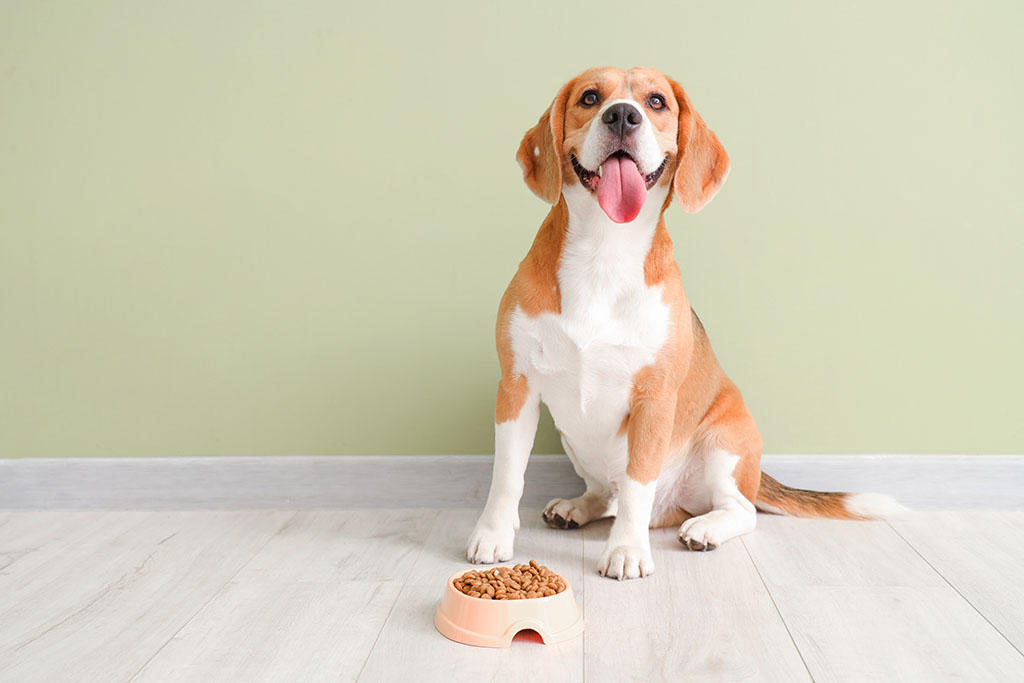
As with us humans, a balanced, fresh, whole food diet can have a positive impact on your pet’s gut health. Their food needs the right balance of nutrients, including protein, from various sources, healthy fats, from meat, fish and vegetables and complex carbohydrates, vitamins and minerals. Processed foods, and low-quality food that contains artificial additives, preservatives etc will cause digestive issues and maybe even obesity, so should be avoided.
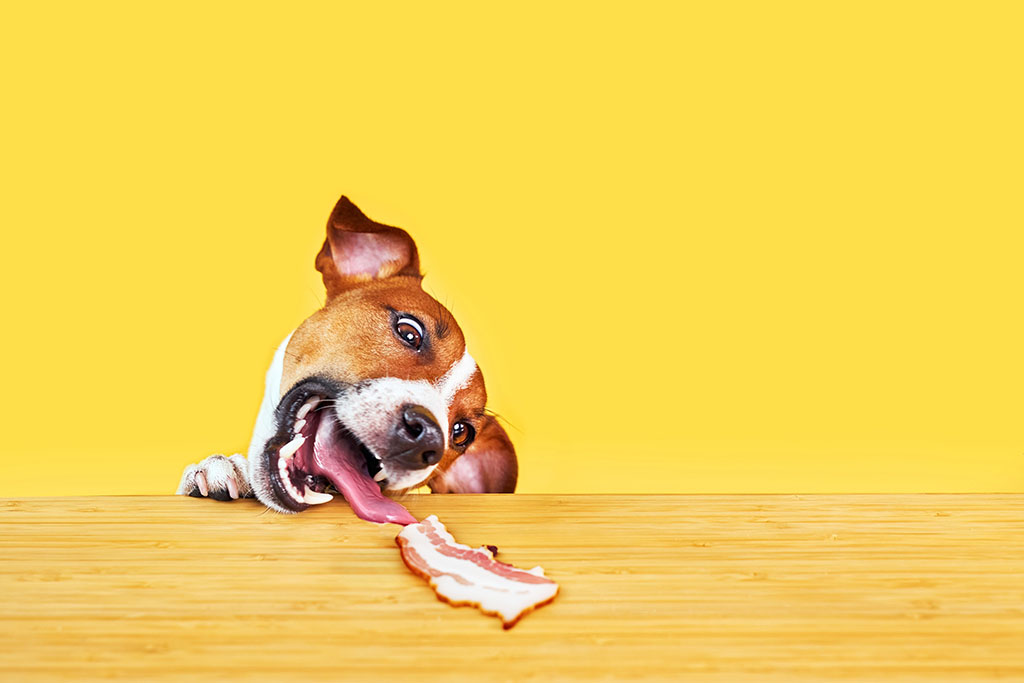
It goes without saying that it’s a good idea to keep them away from human food, (although as we head towards the time of year when we’re commonly asked whether dogs and cats can eat pumpkin, we know this is easier said than done with some pets). Some foods are toxic for animals and eating human food can also lead to weight gain; a pet kept at their optimum weight is less likely to have joint/bone/ligament/heart/mobility/lung/liver problems (sadly, poor Garfield was not on the best diet as cats can’t eat lasagna due to the toxicity of some of the ingredients).
Some people find that a raw-meat diet helps improve a dog’s gut health, others prefer a grain-free diet, but as with any changes, you should consult your vet first.
REDUCE STRESS
Again, as with us humans, stress and anxiety can cause digestive issues but there are a few things you can do to reduce stress:
- Exercise – Regular physical activity helps digestion, and exercise outdoors can expose your pet to different organisms that are good for gut health. Interactive toys and puzzles that provide mental stimulation are also a good way for your pet to manage stress.
- Routine and structure – Keeping pets occupied will help reduce boredom and having a calm, predictable routine for walking/feeding/play could help.
- Use calming aids – Pet-friendly oils, such as lavender oil or specially formulated CBD oil can help keep pets calm, particularly at certain times of year, such as when you might want to keep your pets calm during fireworks.
KEEP THEM HYDRATED
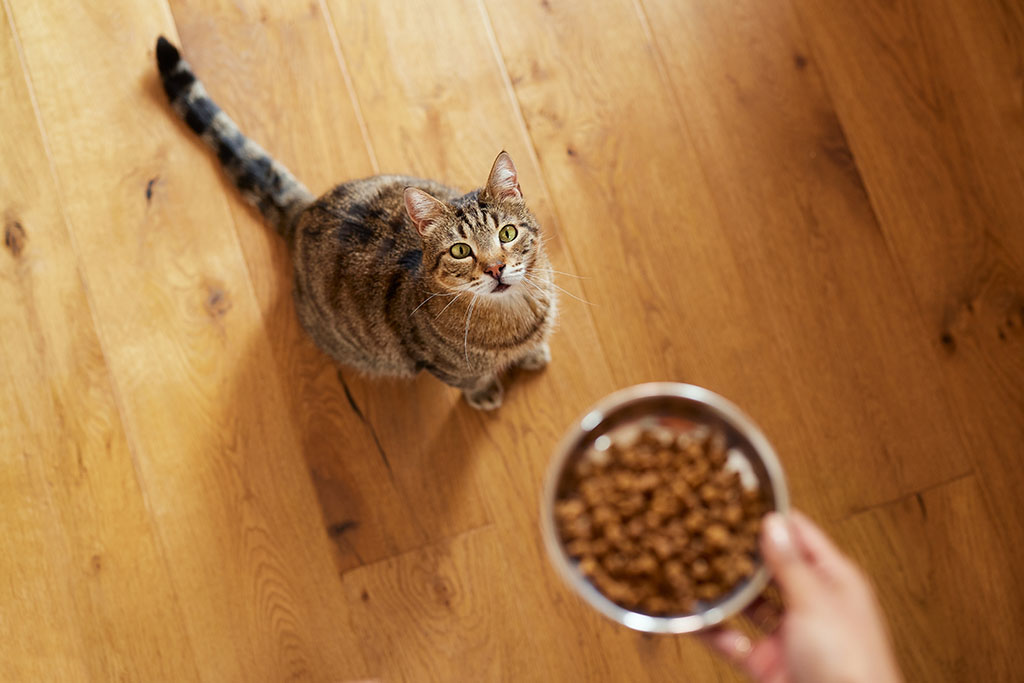
Staying hydrated is really important for supporting a healthy digestion, as well as general health. Water helps food digest and helps the body absorb nutrients and move them around the body, as well as flushing toxins out of the body. Dehydration can cause constipation, bloating etc so it’s important to make sure your pet has access to clean, fresh water. You could give them wet food to eat, instead of kibble or cat biscuits, and try adding some flavour to encourage them to drink more, for example, a bit of low-salt broth. Some dogs and cats prefer running water, so you could get a water fountain to encourage them to drink more.
REGULAR CHECK-UPS
A vet can monitor your pet’s digestive system as well as their overall health and can spot any issues before they develop into something serious. They can also recommend diet changes and suggest suitable supplements.
AVOID TOXINS
Some pet food ingredients can cause disruption in the gut, so look out for:
- Artificial colours, flavours and preservatives.
- Fillers, such as corn, or soy.
- Sugar.
Also, be mindful of any cleaning products within the home, and pesticides/chemicals used in the garden, and remember, if you stroke your dog or cat, they may then groom themselves and ingest anything you’ve had on your hands.
AVOID UNNECESSARY MEDICATIONS
Certain medications, such as steroids and NSAIDS, can have a negative effect on gut health, so always discuss this with your vet. Antibiotics can wipe out all kinds of bacteria, both good and bad, which can affect the gut microbiome so, if your pet does need antibiotics your vet may be able to suggest a probiotic supplement. Probiotics and prebiotics can help improve digestion, boost the immune system and encourage healthy gut flora. Probiotics are live bacteria that support the growth of good microorganisms in the intestines – these are found in fermented foods, such as live yogurt. Prebiotics are non-digestible fibres that fuel good bacteria – they’re found in pumpkins, bananas and sweet potatoes. They’re both available as supplements.
Maintaining a healthy gut is essential for your furry friend’s wellbeing and after all, we all want our pets to be around for as long as possible – living their happy, healthy best lives.
Of course, we all want to do our best to keep our dogs and cats safe and healthy, and another way of reassuring ourselves that we’re doing the best for them is to look at pet insurance. The Insurance Emporium has a range of policies to suit your budget, your lifestyle and of course, the boss of the house – your pet.
Take a look at our website or give us a call for a free, no-strings quote.
All content provided on this blog is for informational purposes only. We make no representations as to the accuracy or completeness of any information on this site or found by following any link on this site. We will not be liable for any errors or omissions in this information nor for the availability of this information. We will not be liable for any loss, injury, or damage arising from the display or use of this information. This policy is subject to change at any time.
We offer a variety of cover levels, so please check the policy cover suits your needs before purchasing. For your protection, please ensure you read the Insurance Product Information Document (IPID) and policy wording, for information on policy exclusions and limitations.