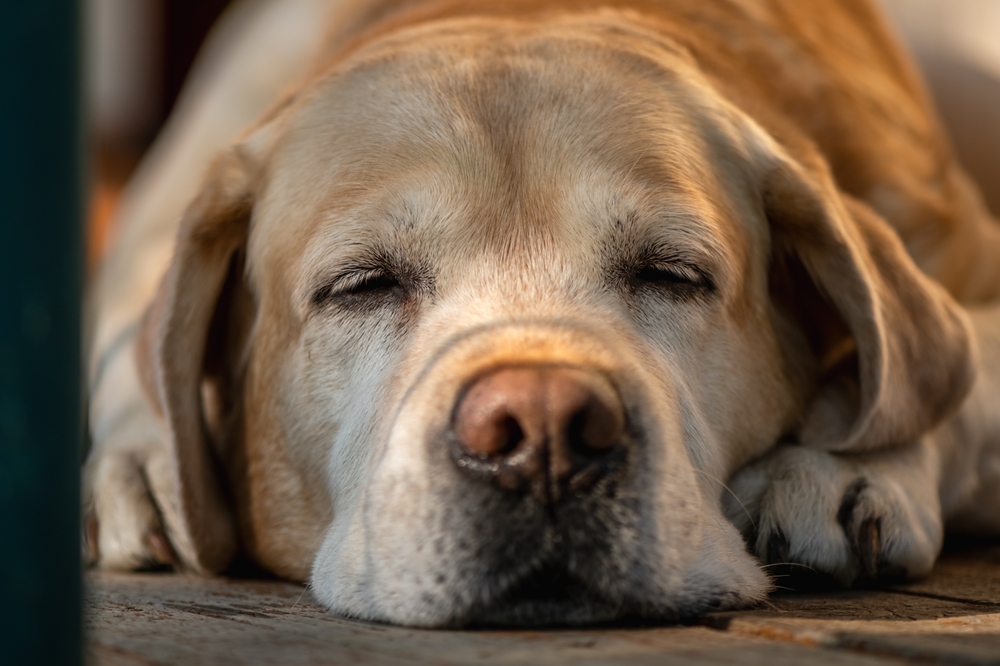
Anyone who owns a dog knows what a joy they are; they’re great companions, entertaining and they get us out of the house and improve our mental health. They’re like an additional family member, just one who chews slippers and can sniff out a stray sausage from the other side of the house!
But the downside to owning a dog is knowing that dog lifespans are a lot shorter than ours; it’s the other side of dog ownership, knowing that one day you’re going to have to say goodbye to your beloved pet. One thing that can help deal with this is learning a bit more about how long dogs live, and the things that can have an impact on their lifespan, so you can ensure your little furry friend has a long, happy and healthy life.
WHAT’S THE AVERAGE LIFESPAN OF A DOG?
The average lifespan for dogs is around 10 – 15 years, but dogs as a species are really diverse, so this does differ between breeds – just picture a Chihuahua next to a Great Dane!
WHAT CAN HAVE AN IMPACT ON A DOG’S LIFESPAN?
Several things can affect life expectancy:
- Health issues
- Lifestyle
- Genetics – certain breeds are more likely to have health issues, such as an increased cancer risk or joint issues.
- Oral health
- Environmental conditions
- Diet
- Breed size
- Exercise
WHICH DOGS HAVE THE LONGEST LIFESPAN?
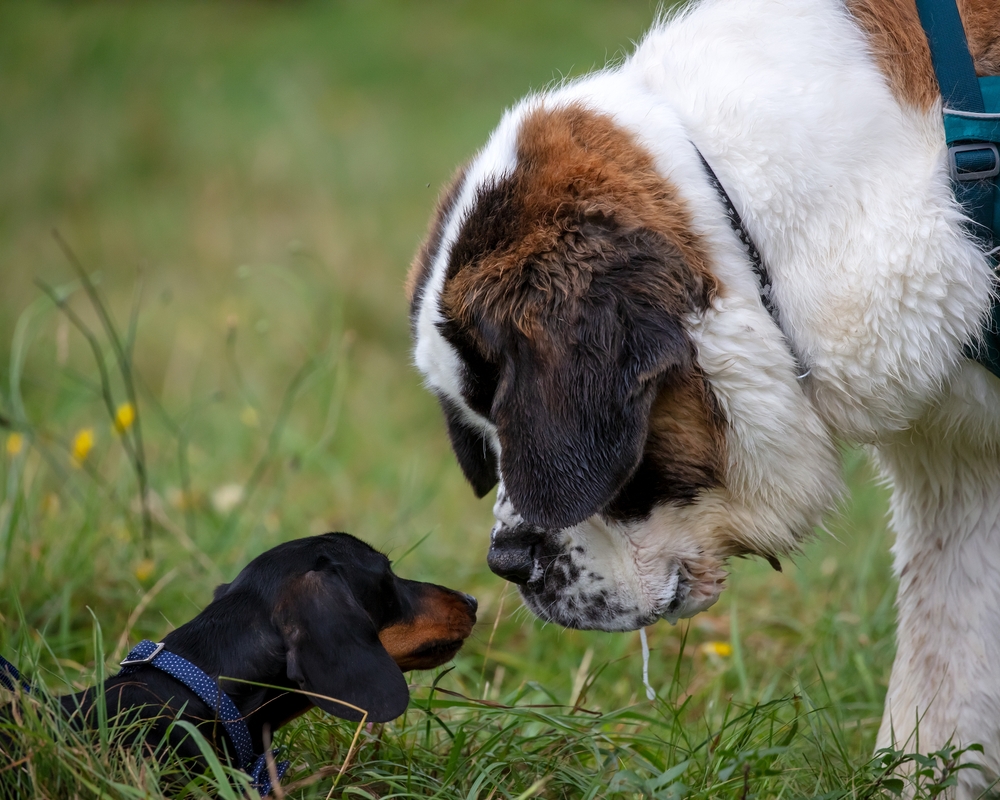
Any dog that lives over 14 years is classified as a long-living breed, but in general, smaller and mid-sized breeds tend to live longer. Breeds that are often identified as long-living include Chihuahuas (14 – 16 years), Pomeranians (12 – 16 years) and Yorkshire Terriers (14 – 15 years).
WHY DO SMALLER DOGS HAVE A LONGER LIFESPAN?
Smaller dogs have a longer lifespan because they age slower than larger dogs, and the faster a dog ages, the more likely they are to deteriorate and succumb to disease as their bodies are put under stress.
WHICH DOGS HAVE THE SHORTEST LIFESPAN?
Large dog breeds, such as Great Danes (7 – 10 years), Irish Wolfhounds (6 – 8 years) and Newfoundland (9 – 10 years) have the shortest lifespan of around 8 – 10 years. For example, a six year old Great Dane is considered a senior.
WHY DO LARGER DOGS HAVE A SHORTER LIFESPAN?
Large dogs experience more general wear and tear on their joints than smaller dogs, and large breeds can be prone to certain health conditions, such as bone cancer and neurological diseases.
WHAT ABOUT MEDIUM/LARGE DOGS?
Medium dogs, such as Cocker Spaniels (10 – 14 years), Bulldogs (8 – 10 years) and Boxers (10 –12 years) live on average 10 to 13 years. It varies from breed to breed; for example, brachycephalic (flat-faced) breeds, such as bulldogs, tend to be more prone to breathing problems and heart, skin and ear issues.
Large dogs have an average lifespan of 9 to 10 years. Breeds such as the Golden Retriever (10 – 12 years) or the Rottweiler (10 – 12 years) are often more affected by arthritis and certain cancers.
WHAT ABOUT MIXED BREEDS?
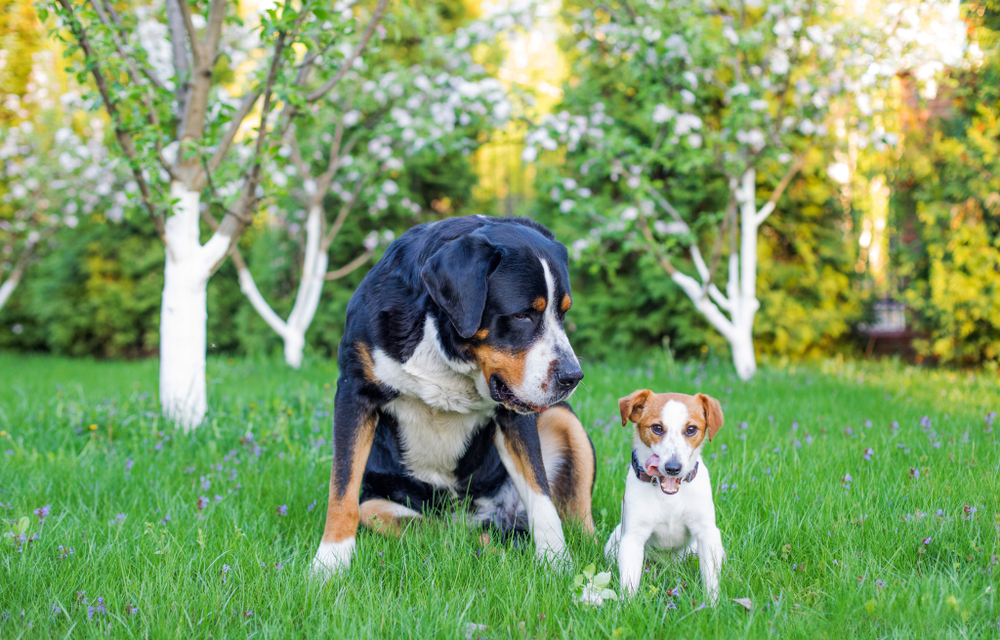
Mixed breed dogs seem to last longer than purebreds, this is mostly due to genetics; purebred dogs are bred by dogs with similar genes, so they’re more at risk of hereditary illnesses.
IS THERE ANYTHNG YOU CAN DO TO EXTEND THEIR LIFESPAN?
- Do your research – As dog lifespans can be breed-dependant, it’s important to do your research so you know what to expect. Responsible breeders will test their breeding dogs (both pure and mixed breeds) for common diseases. Certain breeds are also thought to have ‘longevity genes’ which affect their expected lifespan, as well as their overall health; dogs such as the Golden Retriever, Cocker Spaniel and the Dachshund are thought to have these genes.
- Visit the vet regularly – regular visits to the vet can help identify issues early. It’s also important to keep up-to-date with vaccinations etc.
- Good nutrition – a healthy diet and portion control can reduce the risk of obesity, so make sure your dog has a quality diet that’s appropriate for their age, size and activity level.
- Physical exercise – make sure they have regular exercise tailored to their breed and energy levels.
- Mental exercise – training, toys and different activities can all help keep your dog’s brain stimulated.
- Good dental care – regular teeth cleaning and dental chews can prevent dental problems that can lead to more serious problems elsewhere in the body.
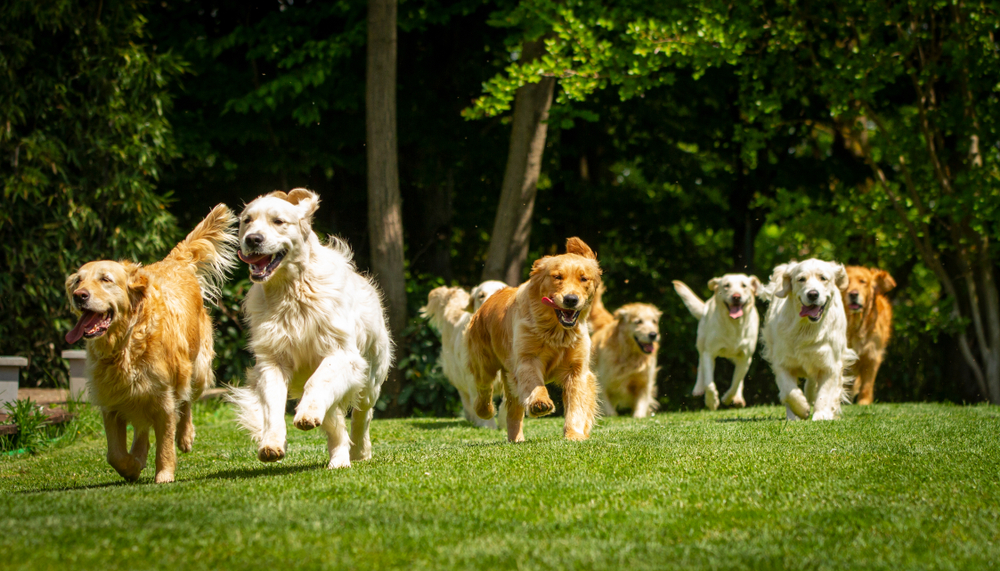
We all want to spend as much time with our dogs as possible and the time we have with them goes so quickly; one minute they’re charging round the house, chewing everything in sight and our time is taken up with toilet training and trying to teach them how to sit; the next they’re old and grey and slowing down and they no longer jump up at the mere suggestion of the ‘W’ word.
We want the best for our dogs and while certain things are out of our control, we can reassure ourselves that we’ve done everything we can to prepare for if the unexpected were to happen. Our dog insurance policies can be tailored to suit you, your dog, and your budget, and if your beloved pooch is over eight then our senior dog insurance might have exactly what you need. Take a look at the website, or give us a call for a free, no-strings quote today.
All content provided on this blog is for informational purposes only. We make no representations as to the accuracy or completeness of any information on this site or found by following any link on this site. We will not be liable for any errors or omissions in this information nor for the availability of this information. We will not be liable for any loss, injury, or damage arising from the display or use of this information. This policy is subject to change at any time.
We offer a variety of cover levels, so please check the policy cover suits your needs before purchasing. For your protection, please ensure you read the Insurance Product Information Document (IPID) and policy wording, for information on policy exclusions and limitations.